Blog, Featured Stories, Latest News & Stories, Women and Girls, Women and Girls
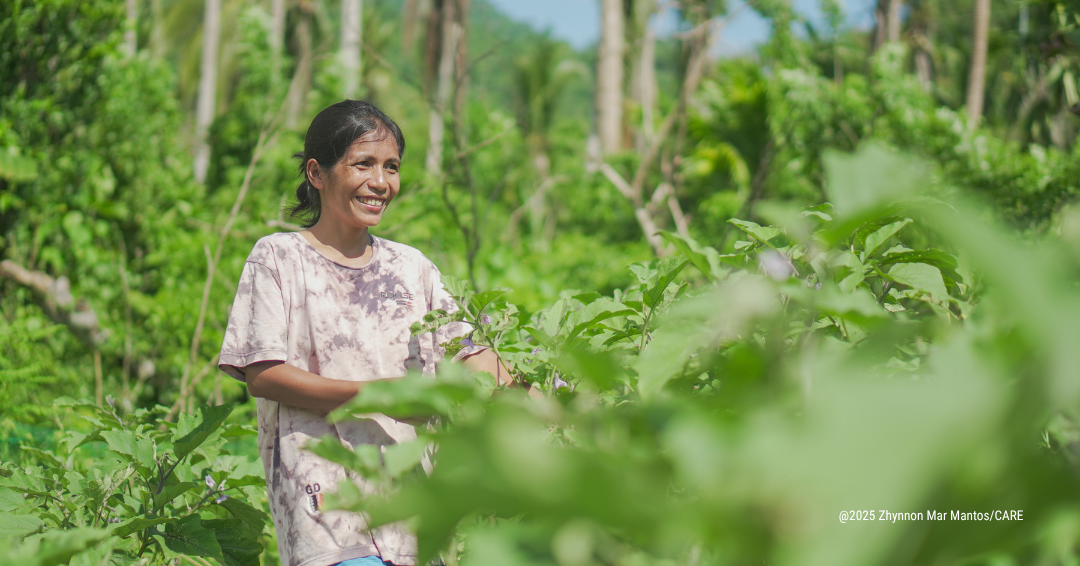
Analyn Añonuevo, 37, is a mother of five from Virac, Catanduanes. She and her husband relied on abaca farming for their family’s income. But Catanduanes, the country’s top producer of abaca fiber and often called the “Land of the Howling Winds,” faces destructive storms almost every year. Abaca takes years to mature. So, a single typhoon can erase years of work and investment. This became reality for Analyn when Typhoon Goni, locally known as Rolly, struck in 2020. It destroyed her family’s entire abaca farm. With four children in school and a toddler at home, the loss was staggering.
Rather than giving up, Analyn chose to focus on the possibility of a fresh start.
“What we lost could not be recoveredbut we believed that starting over was still possible”, Analyn said.
In late 2024, Analyn joined CARE Philippines’ Women and Youth Economic Empowerment (WEE) project. While her husband later moved to Manila to work in construction, she stayed behind to manage their farm and lead their local farmers group. Through the project, Analyn realized that relying only on abaca left her family at risk, since the crop takes years to recover after a major storm.
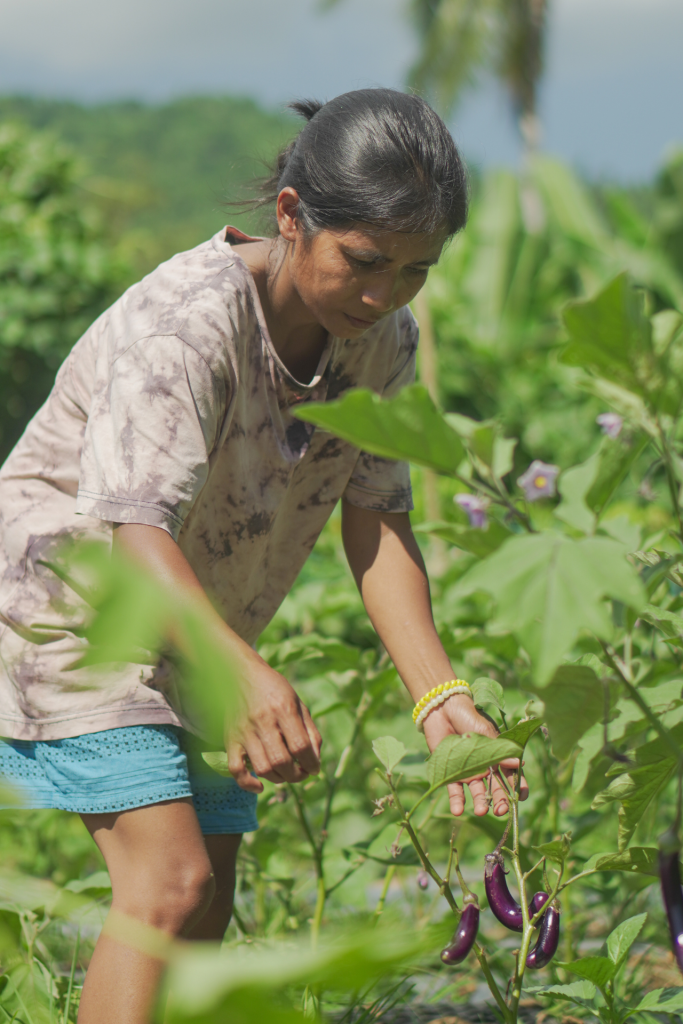
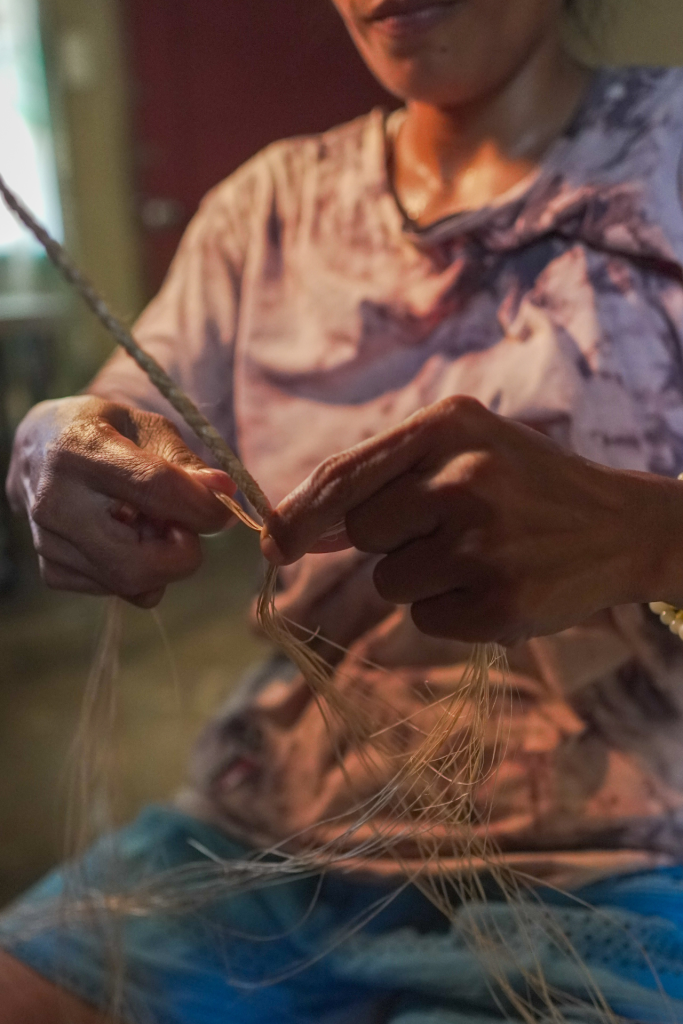
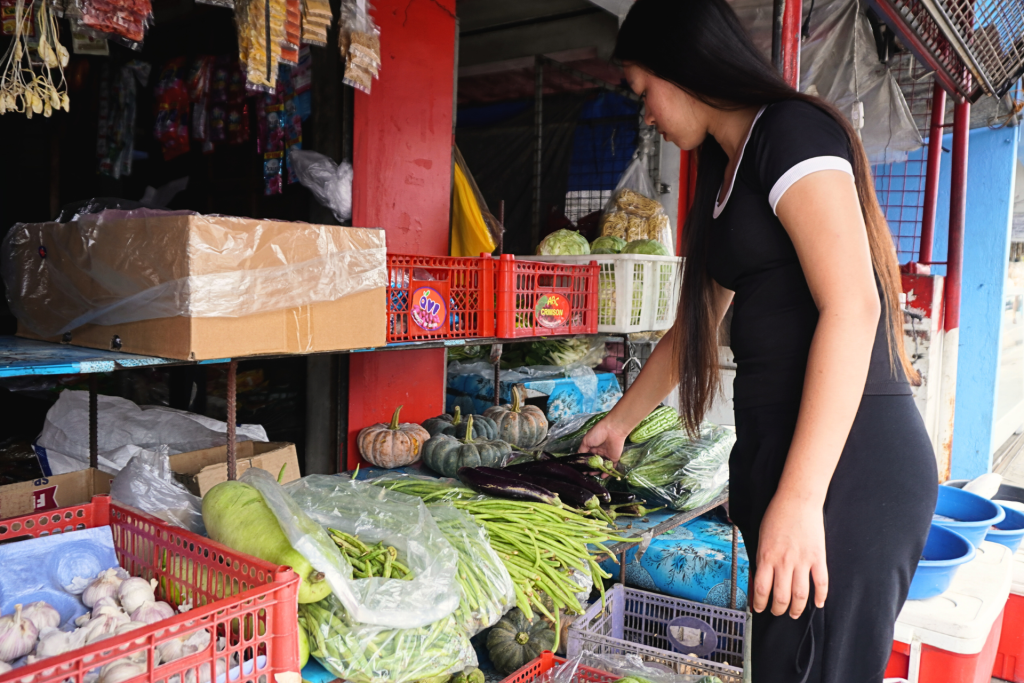
Analyn checks the eggplant from her diversified farm in Virac, Catanduanes. By growing vegetables alongside abaca, she has strengthened her family’s food supply and income in a province regularly affected by typhoons.Analyn makes abaca twine out of fibers harvested from her abaca plants. Abaca remains their primary source of livelihood.
The project’s training encouraged her to diversify their livelihood. While she continues to make twine from abaca, Analyn began growing vegetables such as chilies, squash, eggplant, and string beans. The vegetables provide food for the family and regular income from selling what they do not consume. Meanwhile, abaca remains a long-term source of earnings. Since December 2024, she has harvested several times, creating a steady cash flow that was not possible when she depended on a single crop.
As a farmer leader, Analyn now shares her experience with others. She manages the community demonstration farm and encourages fellow farmers to adopt diversified farming. When challenges arise, the results from the demo farm remind the group that they are no longer dependent on one harvest. Their farms are becoming productive, multi-crop spaces that support both their families and the local economy.
About the project
Supported by the Tijori Foundation, the WEE project aims to improve women’s economic empowerment and the social well-being of abaca and root crops farmers, processors, traders, and workers. It is being implemented by CARE Philippines in 17 barangays in Bato and Virac municipalities in Catanduanes province to help rebuild livelihoods and support local abaca farming communities.
Blog, Featured Stories, Latest News & Stories, Women and Girls, Women and Girls
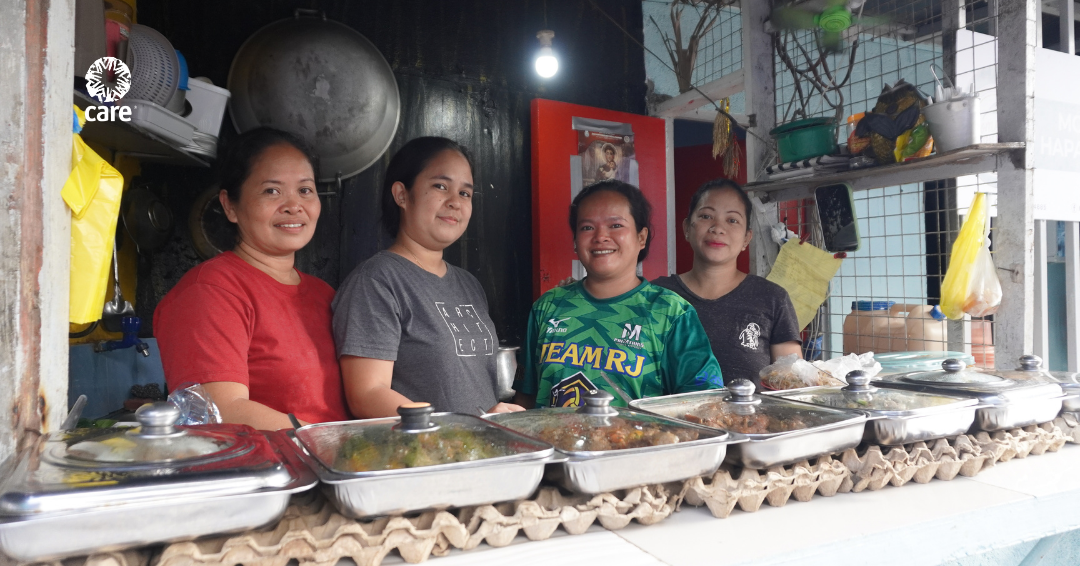
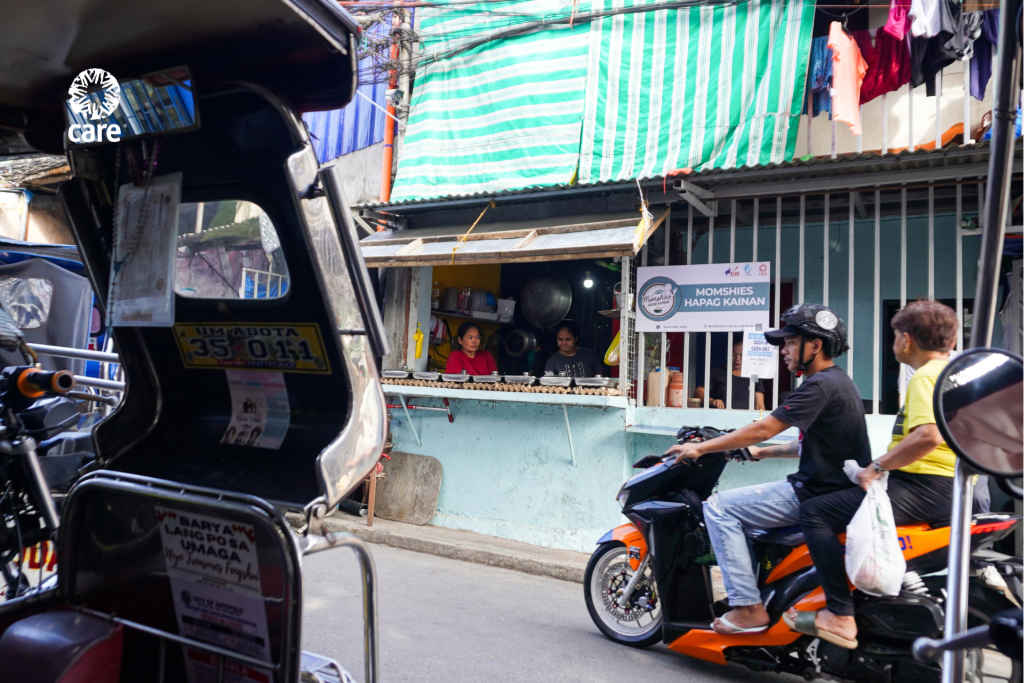
Before the sun rises over the busy streets of Antipolo, the aroma of sautéed garlic and fresh ginger begins to waft from a small, brightly painted storefront. For Emelyn Dije and her three close friends, this scent is more than just the promise of a good meal; it is the smell of a hard-won independence that once felt out of reach.
Emelyn spent 16 years working as a restaurant cook in Quezon City before she stopped to raise her six children in Antipolo City. To keep her family afloat, she balanced an exhausting schedule of selling balut (fertilized duck eggs) at night and taking on laundry and ironing jobs during the day. Her story was mirrored by her friends Sheena, Sherine, and Cristhaline. All of them struggled to make a tight weekly budget last, often worrying if they could provide the basic needs of their families, especially, their children.
“It’s difficult because odd jobs are not sustainable,” Emelyn shared. “Sometimes, people are not buying balut. Washing and ironing just happens when the client needs you.”
The turning point came through the Households Economic Resilience Strengthening (HERS) project by CARE. This project helps women and youth across Rizal province build better livelihoods by providing training in how to manage their finances and run a small businesses. Equipped with new skills and a cash grant, the women saw an opportunity in a vacant space at the front of Emelyn’s house.
They transformed the empty space into “Momshies Hapag Kainan,” a vibrant eatery that opened its doors in September 2025. The grant allowed them to repair the leaking roof, apply a fresh coat of paint, and install a professional cooking counter.
Located near a tricycle terminal and the local gym, the shop quickly became a favorite spot in the neighborhood. “I am happy because I can use my cooking skills to earn money,” Emelyn said.
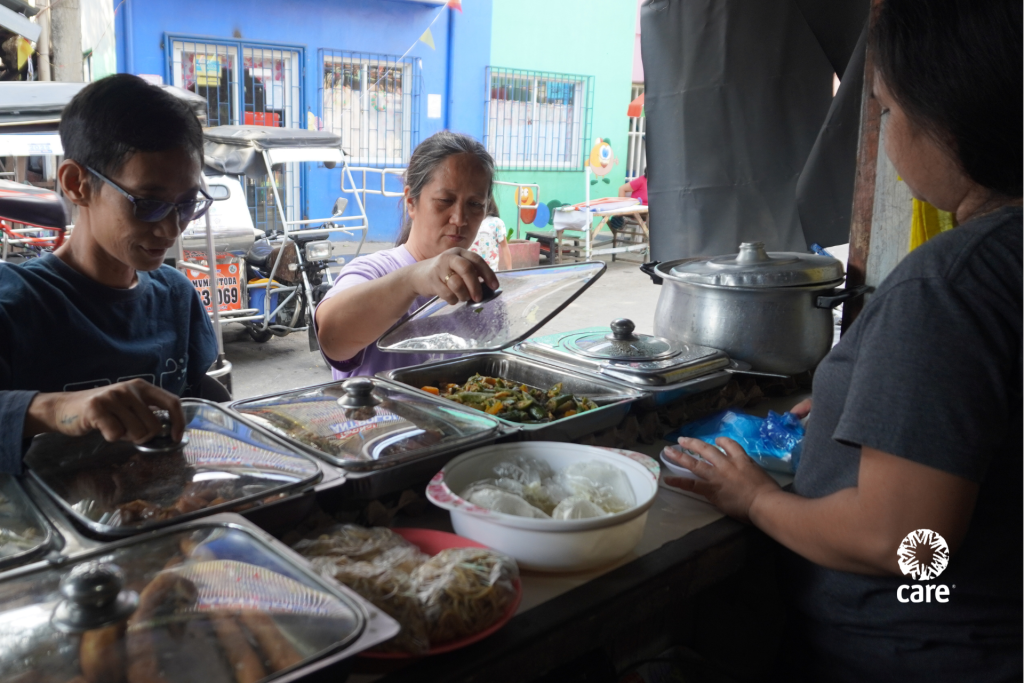
The change in their workspace was only the beginning of a deeper shift in their lives. The team now starts their day at 3 a.m. to buy the freshest ingredients, ensuring they are ready to serve breakfast by 6 a.m. to workers starting their day. Because the meals are both nutritious and affordable, they consistently sell out by noon. This schedule provides them with a steady income while still leaving them time to care for their families in the afternoon.
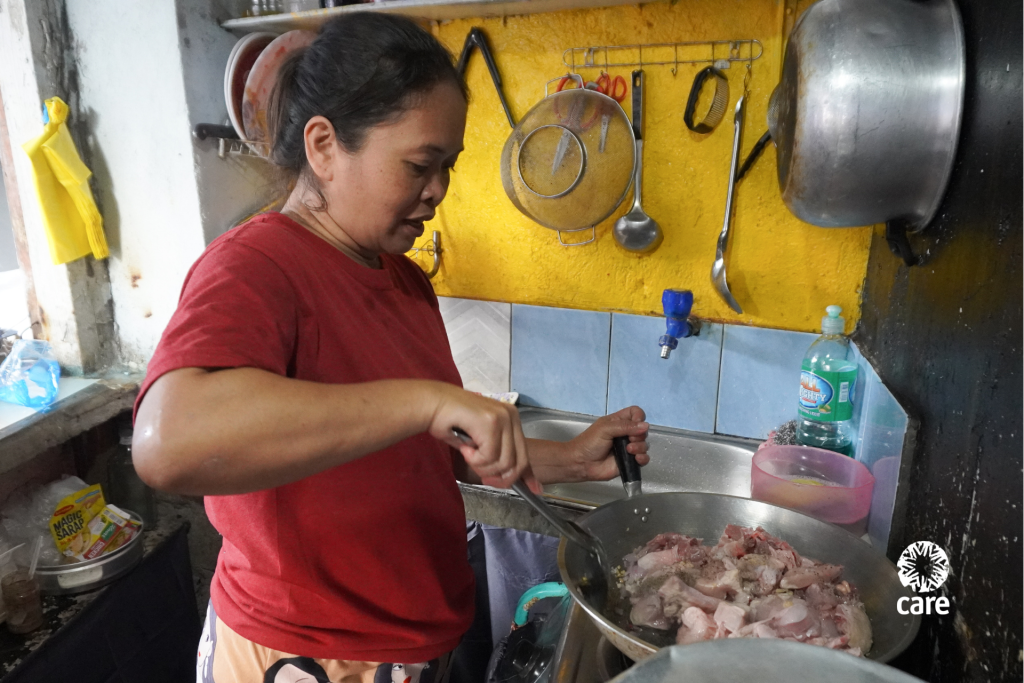
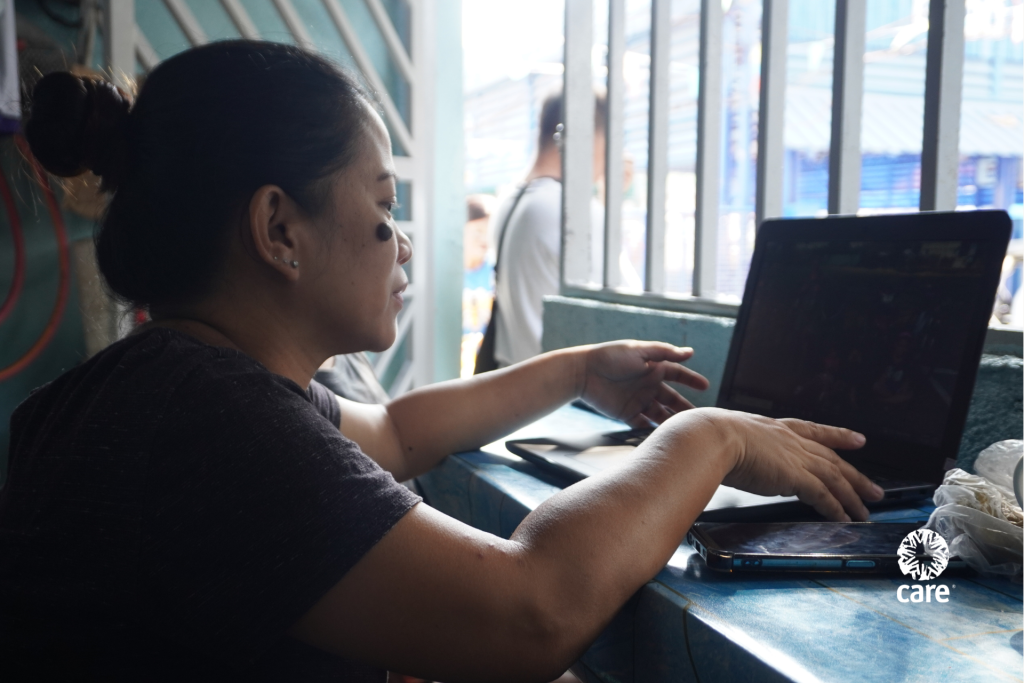
Emelyn cooks chicken while Sheena attends to customers buying food at their eatery. Photos: @2026 Mary Therese Norbe/CARE
By the end of 2025, the group had doubled their original savings. This success led to a Christmas celebration unlike any they had experienced before.
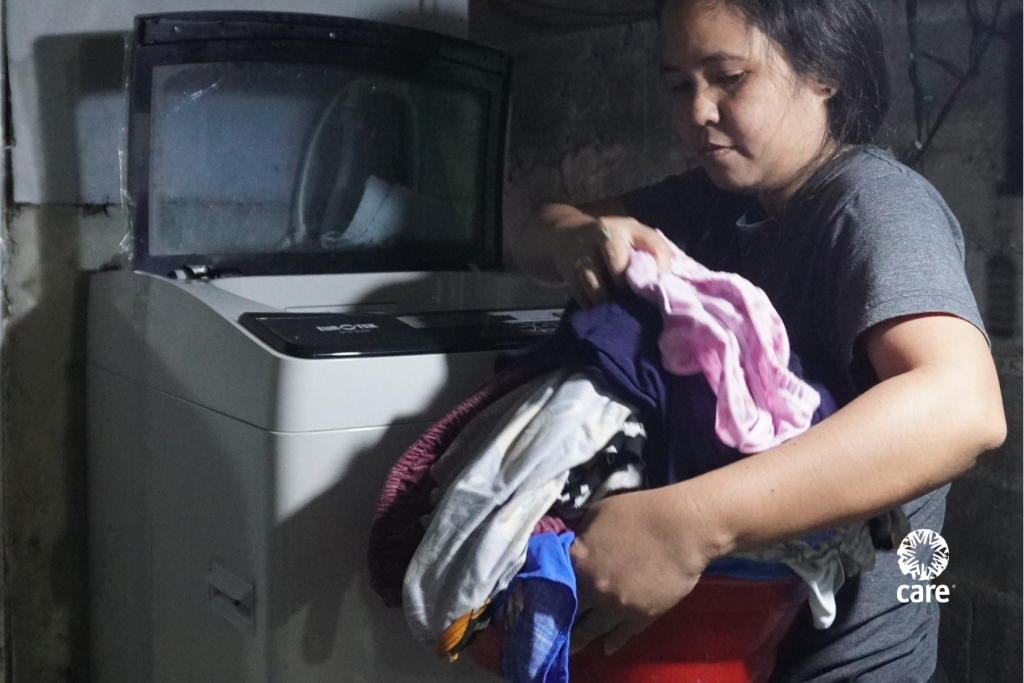
The profits turned into real milestones: Emelyn and Cristhaline bought laptops for their families, Sherine made a down payment for a motorcycle to help her husband earn more, and Sheena bought a washing machine to save time on chores.
Sheena loads laundry to her new washing machine while Cristhaline checks her online shop on her laptop. Photos: @2026 Mary Therese Norbe/CARE
For these women, the success of Momshies Hapag Kainan is measured in more than just money. Sherine feels a profound sense of relief, noting that “everyday meals are no longer a problem.” Emelyn no longer fears the days her husband is out of work, explaining, “I no longer need to borrow money when my husband loses work, because I now have my own source of income.”
They have built a bond of trust and a safety net that gives them the freedom to make their own choices, even when it comes to simple joys.
“We can eat in restaurants, and go to the mall together without asking our husbands for money,” Sheena shared.
What began as a small eatery has become proof of what is possible when women have the tools to lead. Together, they are cooking up a future that sustains their entire community.
The HERS project is implemented by CARE Philippines in partnership with the Department of Social Welfare and Development (DSWD) with support from the Tijori Foundation.
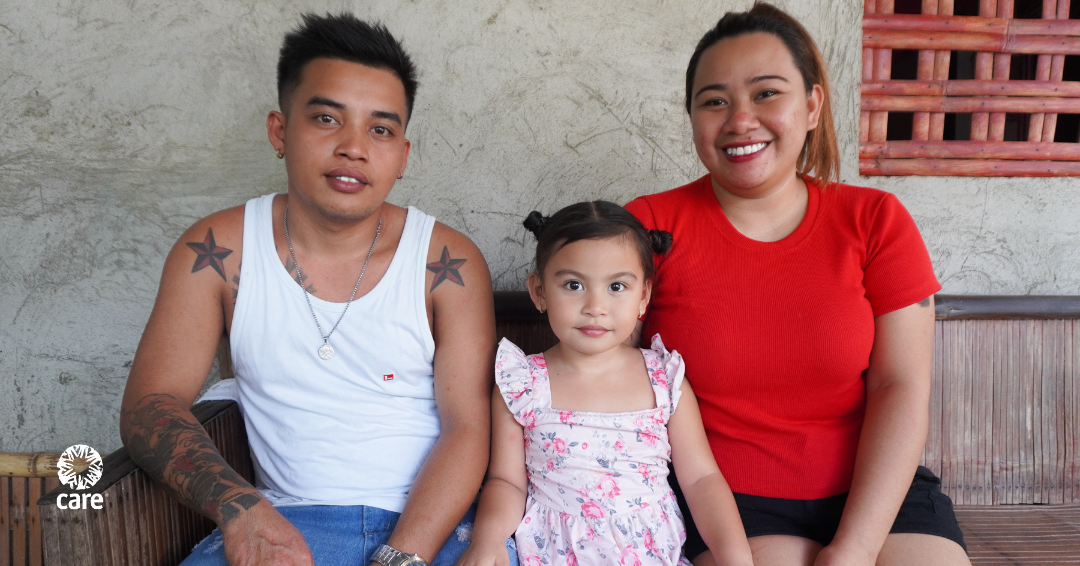
Nina Rica Calapati, a 25-year-old mother from Agoncillo, Batangas, wakes up every day with one goal: to build a secure future for her daughter. Growing up in a home where money was scarce, she learned early to work hard to help her family thrive.
Before joining CARE Philippines’ EMPOWER Project, Nina’s income was unpredictable. She sold vegetables door-to-door and worked as a laborer on a mango plantation, but the money was rarely enough. Her husband’s seasonal construction work offered little stability, and their small fruit-vending business often stalled when their motorcycle broke down or monsoon rains kept customers away.
“I wanted to build something more stable—something that would help my daughter grow up with fewer struggles than I had,” Nina says.
New Skills, New Opportunities
When her sister told her about the EMPOWER Project, Nina saw it as a major opportunity to improve her business. She joined the project and immediately appreciated how it supports women’s participation in the local economy.
Through hands-on training, Nina learned how to manage money, plan for the future, and build a resilient business. She realized these were the same areas she had struggled with before. These new skills gave her the tools and confidence to turn her small shop into a lasting livelihood that can support her family.
Growth and Leadership
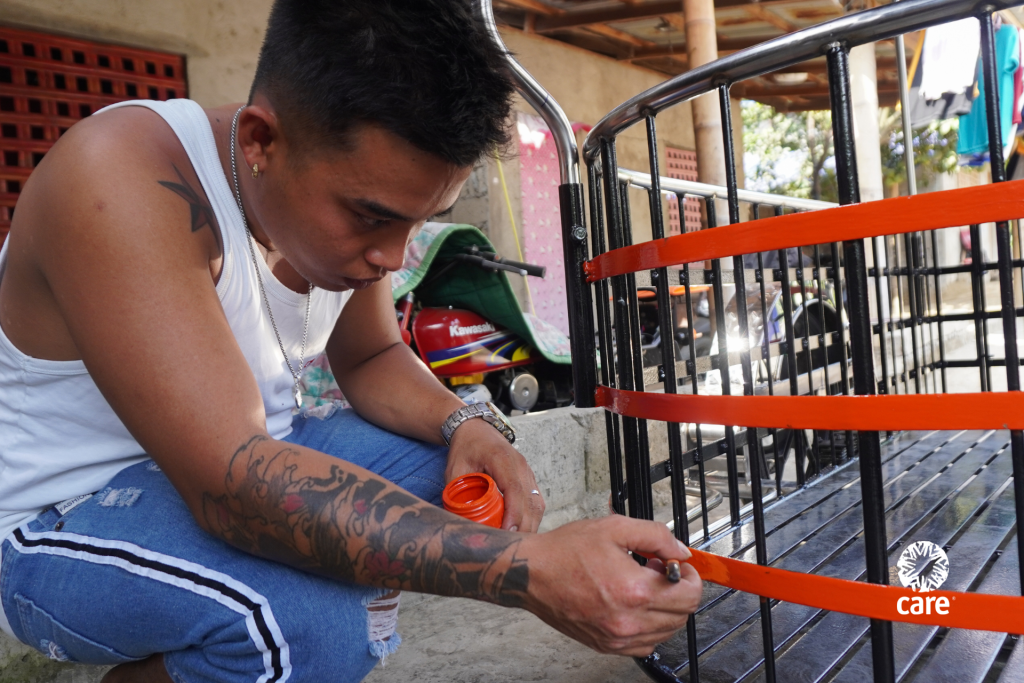
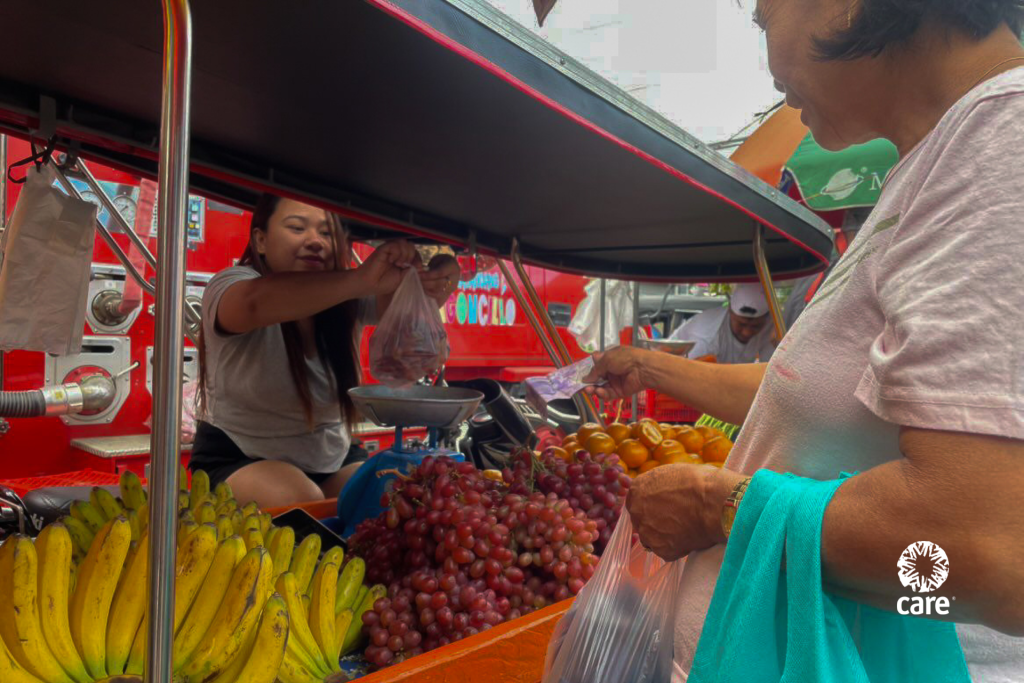
Nina’s husband Joseph paints the new motorcycle sidecar they procured from their New Year’s sales. Photo: Mary Therese Norbe/CARENina sells a customer fruits at her new mobile fruit-vending shop. Photo: Mary Therese Norbe/CARE
Using a cash grant from the project, Nina improved her “Fruit on Wheels” business. She and her husband, Joseph, turned their motorcycle into a mobile shop to reach customers in nearby areas, selling fresh fruits, vegetables, spices, and fish. They also set up a stall twice a week at the local market to help their sales grow even more.
Last year, they earned a 10,000.00 profit during the New Year celebration. They used this income to improve their mobile shop, buy a sow that has already produced piglets for sale, and cement their kitchen floor. Beyond running her business, Nina has taken on a leadership role as the chairperson of her local Village Savings and Loan Association (VSLA) group. She now encourages fellow members to practice financial discipline, build savings, and support one another.
A Vision for Tomorrow
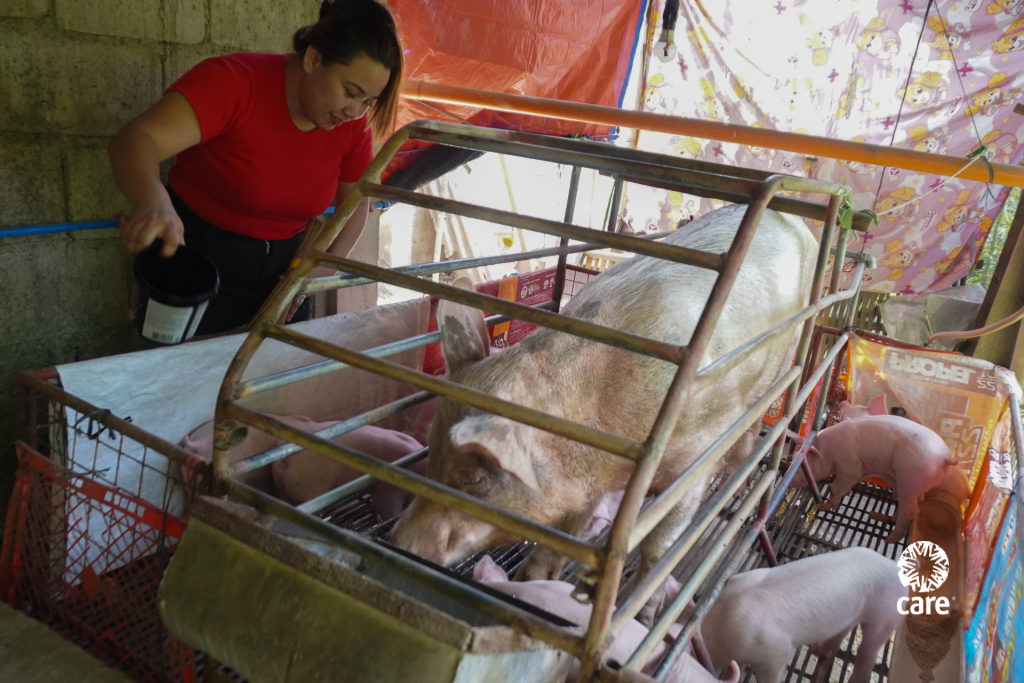
Nina cleans the pigpen where the sow they bought from their sales are with her piglets. Photo: Mary Therese Norbe/CARE
Today, Nina’s business does more than just cover daily needs—it has opened doors once thought closed. She has already achieved a major goal: sending her child to a better school.
Looking ahead, she is focused on protecting her home. Because they live near Mt. Taal, falling ash often damages their roof; she plans to use her future earnings to replace it with more durable materials. With her growing piggery and the success of her mobile shop, she is no longer just working to get by—she is building a legacy of strength and independence for the next generation.
This Women’s Month, we celebrate Nina—and all women who keep rising, rebuilding, and leading with strength and hope.
—————————————————————–
The Empower and Mobilize Potential Opportunities for Work, Entrepreneurship, and Resilience (EMPOWER the Youth Project) is an initiative by CARE Philippines, in partnership with the Tijori Foundation, dedicated to strengthening the livelihoods and resilience of young people in Batangas.
Featured Stories, Healthy Mothers & Children, Latest News & Stories, Women and Girls
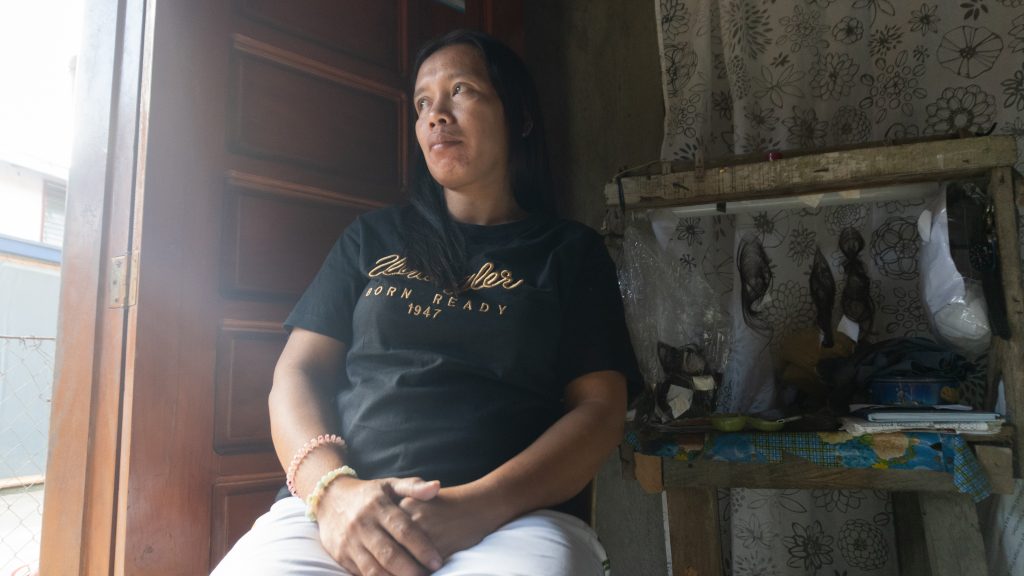
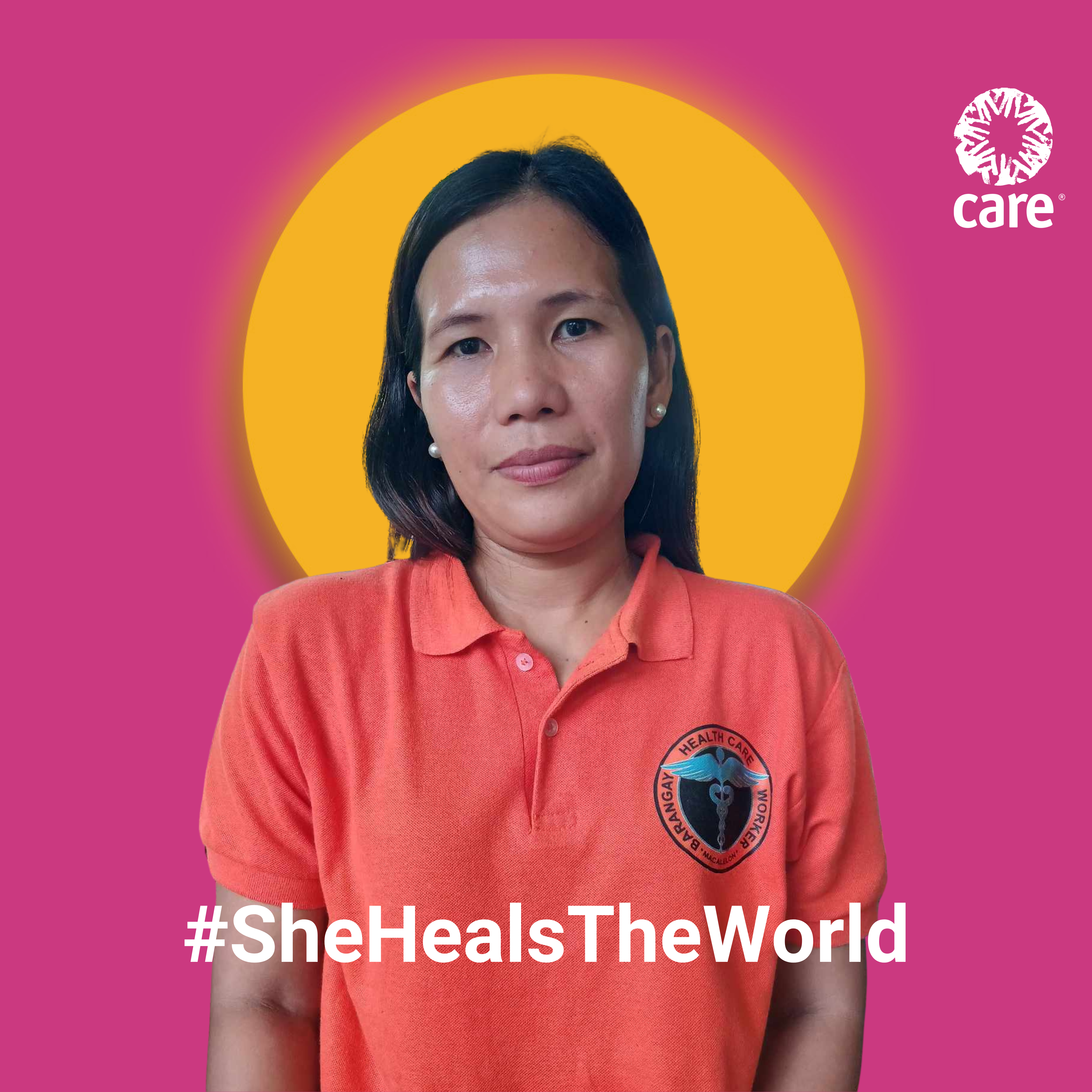
Lanie Lacao, a mother of three and longtime community health worker, has become the first person who families call when they need help. She supports 24 households, guiding her community members through urgent and everyday health concerns.
In the quiet community of Brgy. Tubigan Ilaya, Macalelon, Quezon province, people turn instinctively to one person—Lanie, who has become her community’s steady source of care.
She was a homemaker for years, picking up small jobs cleaning houses and doing laundry to earn extra income. Her former partner worked as a tricycle driver, and in emergencies, neighbors would rush to their home to ask him to bring patients to the hospital in town.
“Even in the middle of the night, we would rush patients to the hospital.”
Those late‑night dashes opened her eyes to how often people needed immediate help and how few people they could call. That is when she decided to volunteer as a Community Health Worker (CHW) in 2017.
She worked for several months without pay. She visited households, checked on mothers, and accompanied families through health concerns. In 2018, the Q1K (First 1,000 Days of Life) Program started in their town. It is designed to ensure the health of both the mother and the unborn child – from the baby’s delivery until the child reaches two years old with free medical services. Lanie became the Q1K president in Macalelon, coordinating with fellow community health workers to enroll pregnant women, explain their benefits, and ensure they received prenatal care.
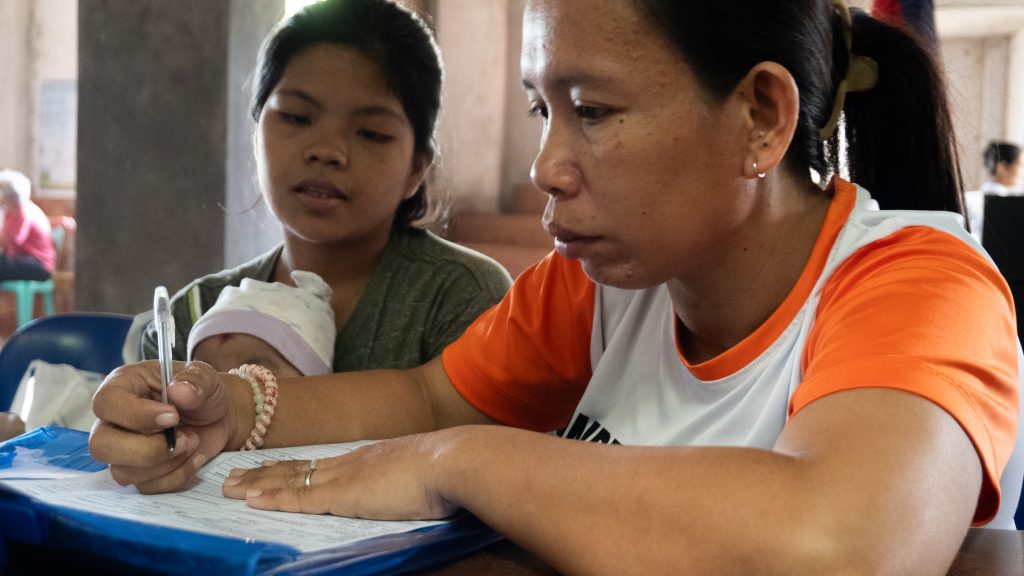
Lanie Lacao assists a young mother during a health check up at their community hall. Photo: @2026 Mary Therese Norbe/CARE
“I love helping out, especially other women. As a mother myself, I know exactly what it’s like to be pregnant and feel like you aren’t ready for it.”
She remembers how she and her former partner had to save slowly for baby clothes, diapers, and delivery expenses. But many women in her barangay faced far more difficult situations, worried not only about childbirth but how to feed and care for a newborn. These stories strengthened her commitment to help.
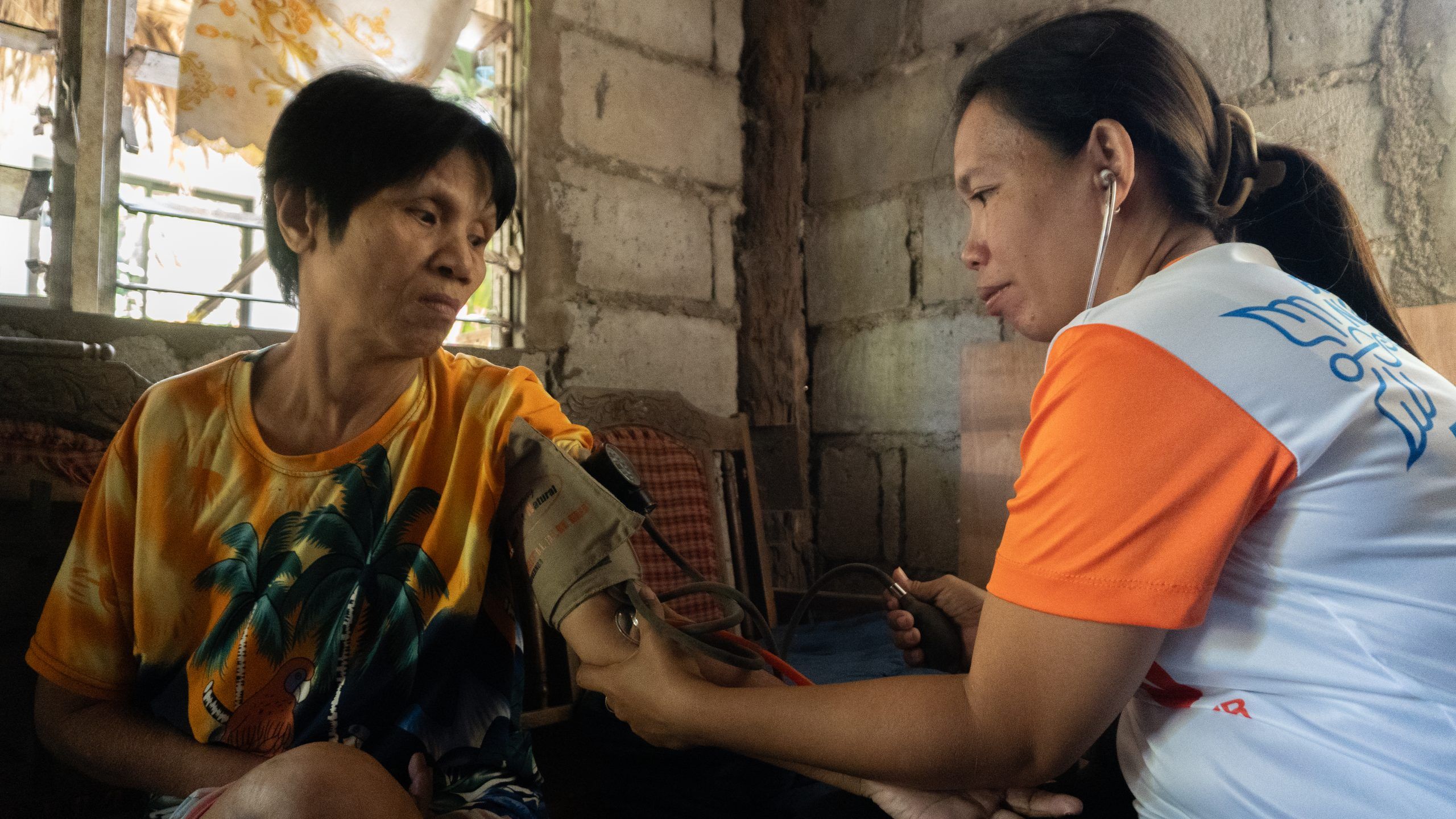
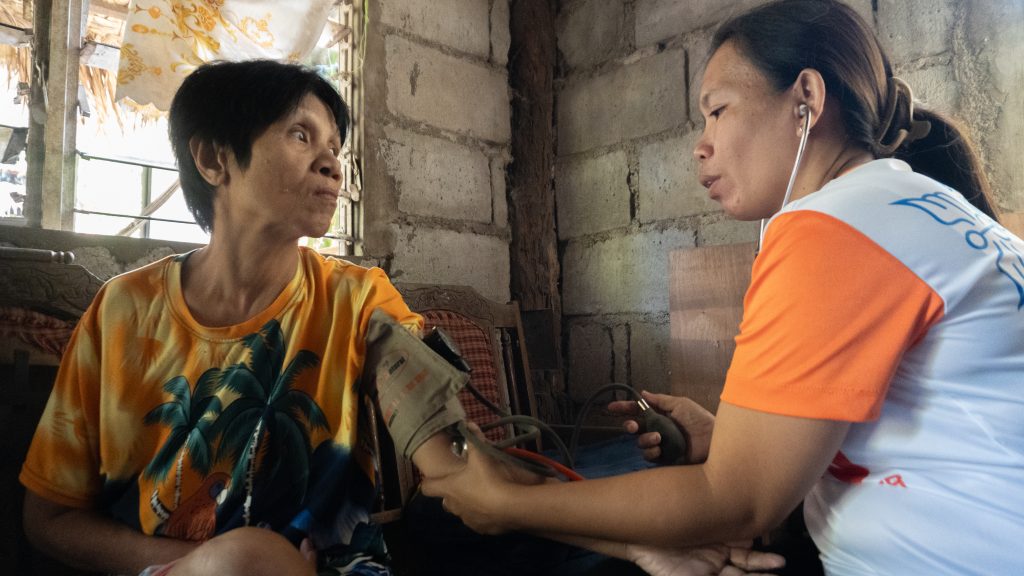
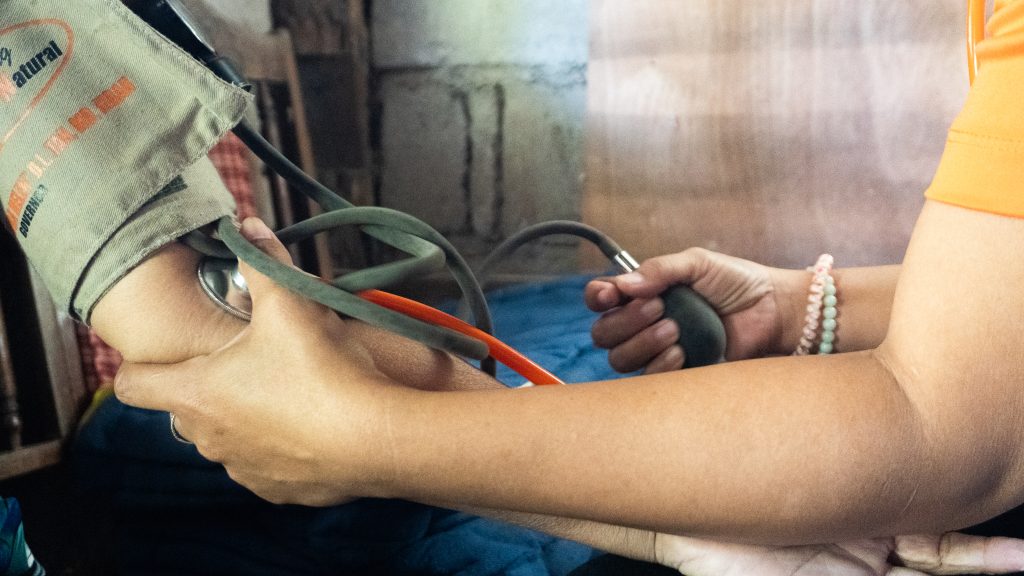
Photos: Lanie visits a patient who suffered a stroke to monitor her blood pressure level. @2026 Mary Therese Norbe/CARE
In 2021, Lanie became an accredited BHW after an older volunteer retired. Her monthly honoraria of PhP 533.00 (USD 8.80) could barely sustain a family for a day, yet she continued. The Rural Health Unit team, trained her in CPR, the Heimlich maneuver, blood pressure monitoring, and taking vital signs. Over time, she became one of the most relied‑upon CHWs by the RHU team and by her neighbors, who knew they could come to her at any hour.
Her house became an unofficial waiting area.
“They come to me because they know I do my best to make sure they get medical attention,” she says. She would call the RHU ambulance, arrange transportation, and make sure families reached the nearest hospital or facility that could help.
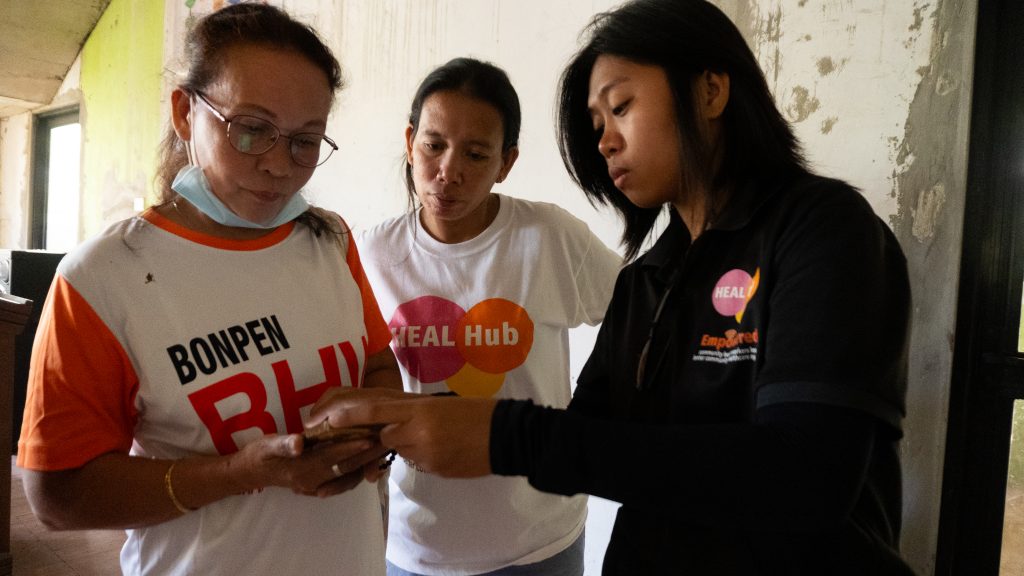
When CARE’s HEAL Hub project arrived in their community to train community health workers, Lanie was curious. She downloaded the app, studied its modules, and quickly realized how many misconceptions she had simply accepted over the years.
Photos: Lanie and fellow CHW reviews the cancer modules at the HEAL Hub app. @2026 Mary Therese Norbe/CARE
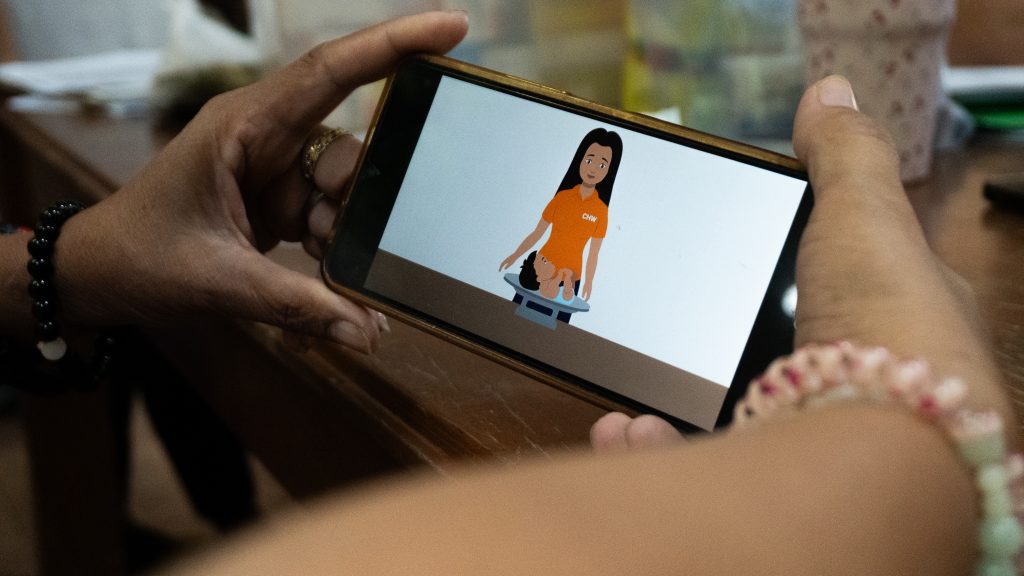
One of her biggest surprises was breastfeeding. She learned she latched her babies incorrectly.
“I thought that what I did before was right,” she says, laughing at herself. “But I was mistaken.”
Now, in her learning session with mothers, she plays the HEAL Hub breastfeeding videos so other mothers can learn proper techniques too.
Today, Lanie is the first point of contact for 24 households in her community. She conducts house‑to‑house visits, checking on pregnant and lactating women and families managing non‑communicable diseases or cancer. One family close to her has a nine‑year‑old boy battling blood cancer.
“He used to play here in my house with the other children,” she recalls softly. “Now I visit their home to reassure his mother that they are doing the right thing by choosing treatment.”
Through HEAL Hub’s cancer module, she learned how to speak with families dealing with fear and uncertainty, and how to encourage them to continue seeking medical help.
The national government has since launched the PhilHealth YAKAP (Yaman ng Kalusugan Program), an expanded primary care package offering outpatient services, lab tests, cancer screenings, and access to more essential medicines. She helps neighbors understand their benefits and guides them through the registration process so they can get the support they need.
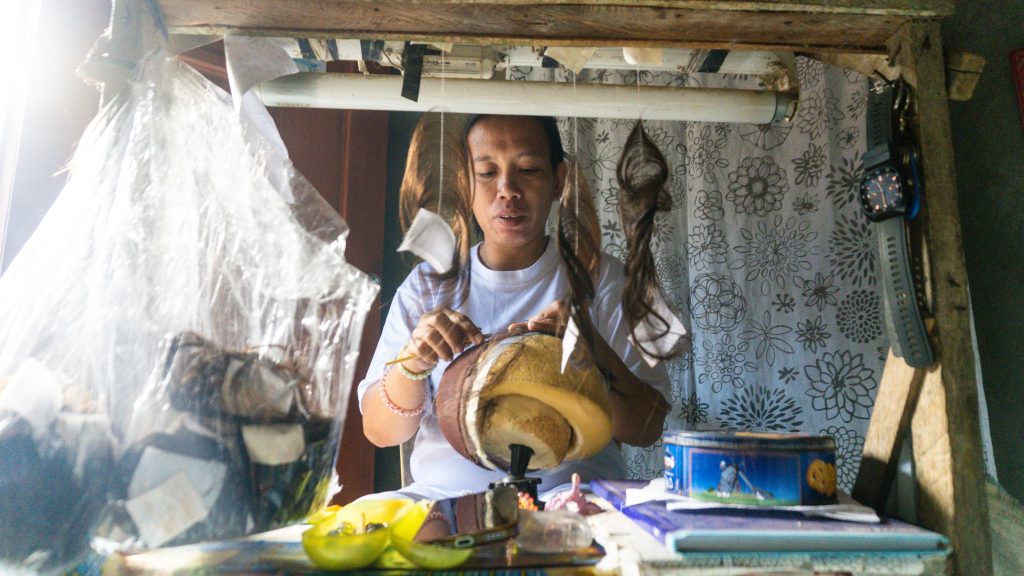
Outside her duties, Lanie makes handcrafted wigs at home. She can finish one in about a week—juggling her health work and household responsibilities—and sells each for around ₱3,000, supplementing her income.
Photo: Lanie works on a wig at her artist’s desk at home. @2026 Mary Therese Norbe/CARE
Despite her dedication, she hopes for greater recognition for community health workers.
“It’s really a voluntary role, but the amount of work is overwhelming,” she says. “I’m just concerned that when we get older and can no longer serve, no one will take over because it doesn’t pay much.”
Still, Lanie keeps going. Because in her barangay, she is the first call, the steady hand, and the quiet reassurance that help is always close.
Featured Stories, Latest News & Stories, Women and Girls
Starting my business was difficult, but with persistence and the support of my neighbors, friends, and farmers, my agri-shop gradually grew. In the first four months, sales were small, but now they have reached over ₱100,000.00!”
Photo: Mayflor Buena tends to her agri-shop in Pangil, Laguna. Photo: Alren Beronio/CARE
Mayflor Buena was already a trusted leader in her community in Pangil, Laguna, long before she opened her agri-shop. As a Barangay Nutrition Scholar, she worked closely with health workers and local families, monitoring children’s nutrition, advising mothers, and supporting community nutrition programs. But while she helped others, her own life became increasingly difficult.
The pandemic brought heavy challenges. She fought for her life and the survival of her newborn during a complicated childbirth, spending nearly a month in the hospital. Shortly after she recovered, a powerful storm destroyed her family’s crops, their main source of food and income.
During this difficult time, Mayflor joined the Asenso sa Good Agriculture Package Social Enterprise (aGAP SE). She saw an opportunity to change her family’s future and signed up to be an aGAP “Roving Agent,” a role that combines community leadership with business.
Mayflor joins other ARAs in one of their trainings.Through training in basic bookkeeping, Mayflor records financial transactions at the store.
She learned to run a sustainable agri-shop by building strong relationships with reliable suppliers and creating a local market for crops gathered from nearby farms. This business now supports her family’s income while ensuring her neighbors have easy access to quality supplies and fair prices. By consolidating and selling local produce, she has established a reliable trade hub that benefits the entire community.
By applying Good Agricultural Practices (GAP), she improved her crop yields and grew healthier, more consistent harvests. These vegetables now provide both a steady source of food for her family and an additional source of income.
Mayflor now bridges the gap between health and harvests. Because she has spent years caring for the well-being of local families, farmers trust her agricultural advice. She is a constant presence in the fields, leading training sessions and visiting farms to help neighbors troubleshoot their crops. Women, in particular, find a mentor in her, feeling comfortable asking her for guidance on everything from growing vegetables to starting a small business.
The impact of her leadership is spreading throughout the village. More families are adopting better farming techniques, leading to higher yields and a wider variety of food on their tables. Women who once felt confined to the home now see themselves as leaders and entrepreneurs, often looking to Mayflor for encouragement. For her family, life has stabilized. The income from her agri-shop means they can pay for education and save for future planting seasons with confidence.
Beyond the financial gains, Mayflor has rediscovered hope. By building a network of farmers, suppliers, and partners, she no longer feels like she is facing the future alone. She knows her community is now better prepared to weather whatever storms may come. Today, she balances her roles as a health advocate, a business owner, and a community mentor. Her journey is a testament to the fact that when you invest in one woman’s leadership, you strengthen an entire community.
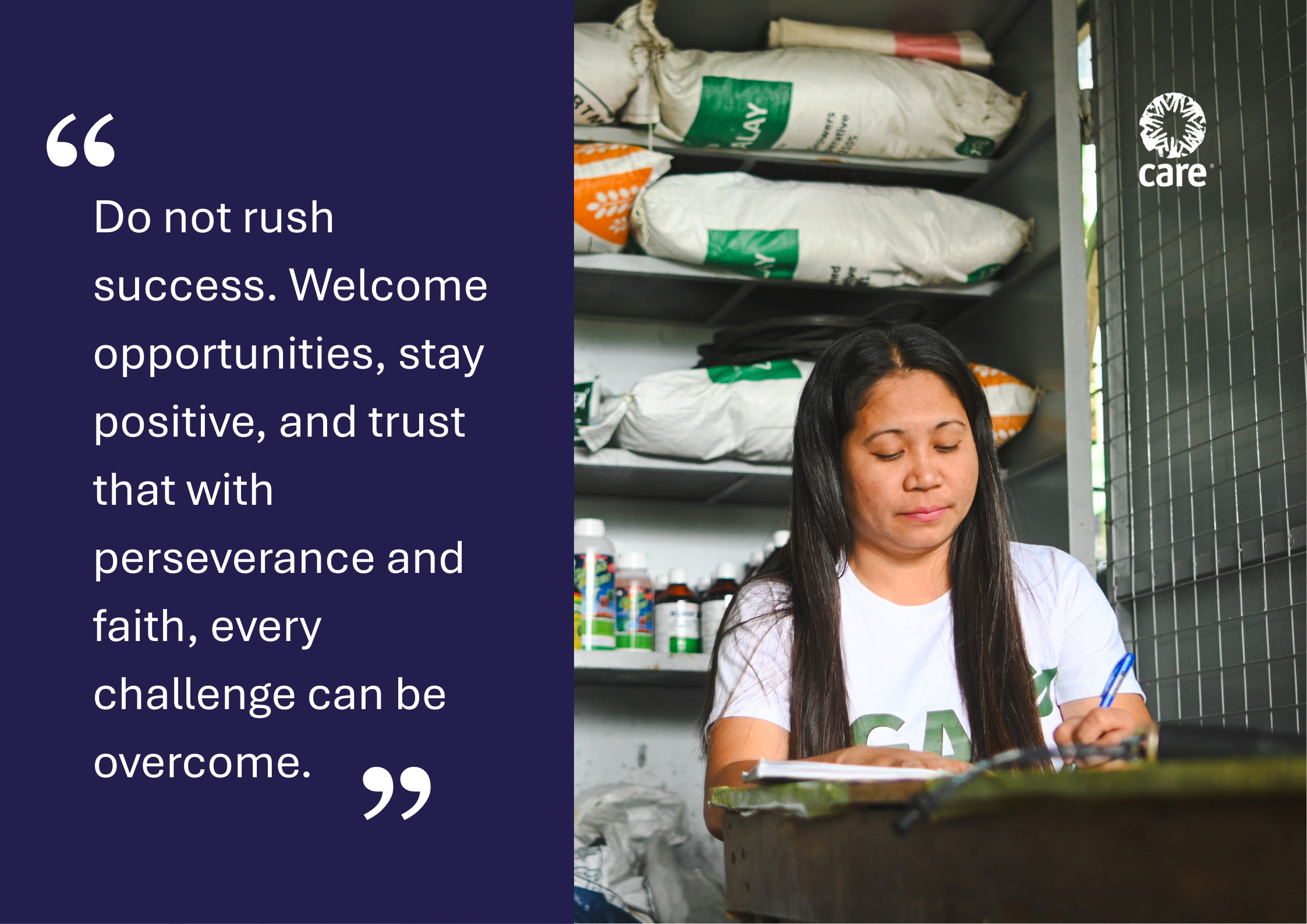
“Do not rush success. Welcome opportunities, stay positive, and trust that with perseverance and faith, every challenge can be overcome.”
Featured Stories, Latest News & Stories, Women and Girls
“I now have enough money to buy meat, fish, and vegetables to cook for myself, and I can finally send money back home to my family. It is a relief to know that through my work, I can save, provide for my needs, and build the future I’ve always wanted.”
For Maria Paula Jubilo, 20, this simple statement reflects something far bigger than a balanced meal or a small remittance. It marks a moment of stability she once thought she couldn’t reach—proof that her hard work is finally opening doors.
Growing Up in Batangas
She grew up in Alitagtag, Batangas. Her mother sells live chickens and snacks at the local market, while her father works in a pottery shop. Despite their hard work, supporting four children through school often stretched the family’s income.
So, after finishing senior high school, she followed her older brother to a manufacturing company outside their town. She worked as a production operator assembling printers and LCD projectors. When her short-term contract ended in 2024, finding another job became difficult. For 15 months, she worked in catering. She helped prepare venues, carrying tables and chairs, and making décor arrangements. The pay helped her get by, but it wasn’t enough to save.
Finding Strength to Start Again
Paula dreamed of returning to manufacturing, where wages were higher and benefits were more secure. But job-hunting required money for transportation, application fees, and employment documents—all of which cost more than she could afford.
A Door Opens Through EMPOWER
Through CARE’s EMPOWER the Youth project, Paula joined a two-day training course organized by CARE and supported by the Public Employment Services Office (PESO) and Department of Social Welfare and Development (DSWD) who sent resource/technical persons.
She learned how to refine her résumé and highlight her working experience. She also built confidence to manage job interviews. With these, she joined a job fair supported by the EMPOWER project. She wasn’t hired on the spot, but the experience helped her build her confidence and better understand how to present her strengths to meet employer expectations.
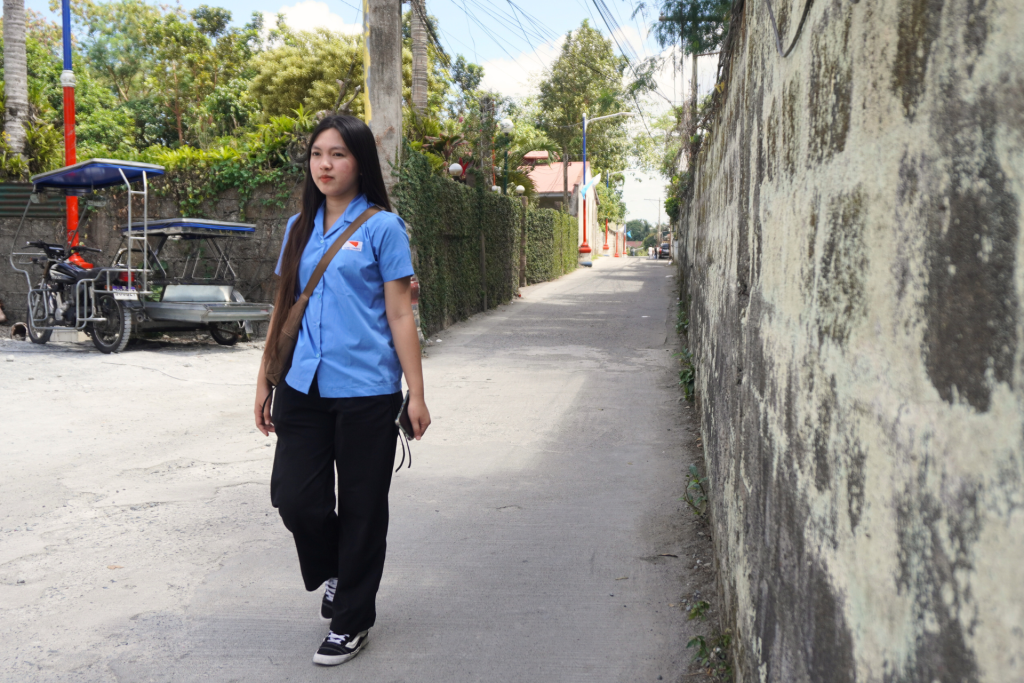
In addition to training, CARE provided cash assistance to help bridge the gap for young job seekers. She used this support to rent a small room near the LIMA estate in Malvar, an economic hub with many hiring companies, and to cover transportation costs in job applications.
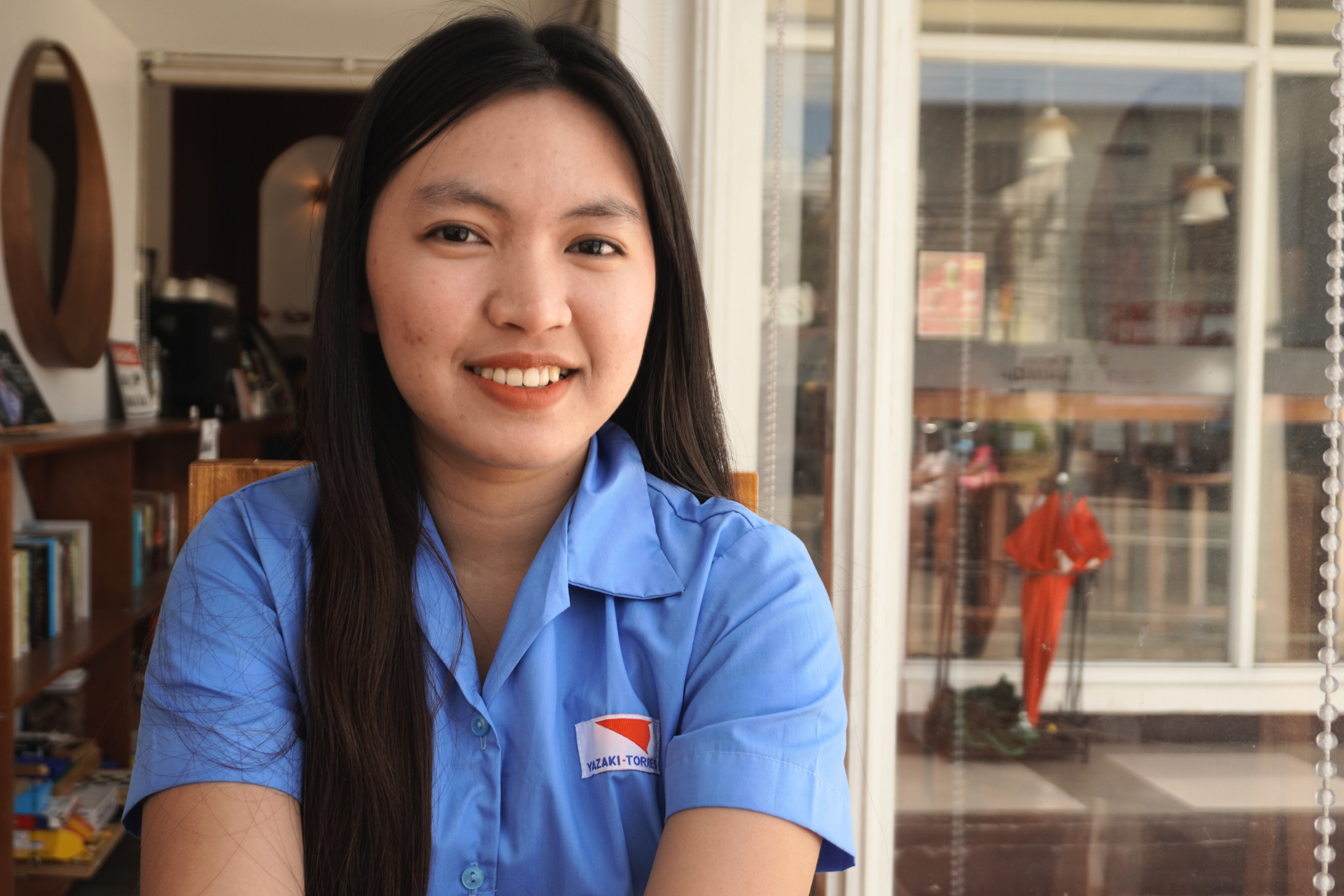
In October 2024, Paula was finally hired by a company manufacturing automotive wiring harnesses. She was trained by a mentor who taught her how to work smartly and develop new skills. She eventually became a production operator in the cutting section. Many of her colleagues are women who she describes as focused, efficient, and meticulous and this inspires her to do her best in the production line.
“I was told that I learn fast and that I have a promising future in the company. This makes me really happy”, she shared.
Working far from home is lonely. She misses her family every day. But with a steady income, she is slowly building the life she envisioned. For the first time, she saves money, cooks her own meals, and supports her family back home.
Paula continues to help her parents and younger siblings who are still in school. She hopes to gain more skills and grow her career in the manufacturing industry.
Her story is a reminder that progress begins when women gain access to opportunities, support, and spaces where they can succeed.
At CARE, we believe that when women have the tools to lead, entire communities thrive. Paula’s journey shows how those tools can help a young woman rebuild her confidence, her career, and her future.
This Women’s Month, we honor Paula—and all women who keep rising, rebuilding, and leading with strength and hope.
Featured Stories, Humanitarian, Latest News & Stories, Reports & Publications, Resources, Women and Girls, Women and Girls
On September 30, 2025, a powerful 6.9-magnitude earthquake struck northern Cebu, damaging homes, disrupting livelihoods, and displacing thousands of families in Daanbantayan, Medellin, and San Remigio. Many people are still living in temporary shelters and facing challenges in accessing clean water, food, and health services.
CARE Philippines, through its SAFER and ACCESS projects, carried out a Rapid Humanitarian Analysis (RHA) from October 7–14, 2025. The assessment looks at how the earthquake affected women, men, children, and other at-risk groups, and identifies urgent needs and opportunities for recovery.
The report highlights priorities such as safe shelter, clean water, health and psychosocial support, and livelihood recovery—while promoting inclusive solutions that restore dignity and resilience.
Read the full report to learn what communities are facing and how we can work together to rebuild lives in northern Cebu: RHA-Cebu-Earthquake.pdf
Blog, Featured Stories, Latest News & Stories, Women and Girls, Women and Girls
Christine has been a dedicated Community Health Worker in her community for the past eight years, serving tirelessly since 2017. Her extensive training and accreditation from the Department of Health (DOH) underscore her proficiency and readiness to address various health needs within her assigned households.
Christine manages the health needs of 38 households, making her an integral part of the community’s health care system. Her role is multifaceted, encompassing regular weekly visits to her assigned households. During these visits, she conducts essential health activities such as weighing children to monitor their growth and development and assisting midwives with immunization and vaccination programs. Christine is also responsible for managing chronic conditions like hypertension and diabetes within her community. She ensures that her patients receive the necessary medications monthly, and meticulously records their health status.
Despite her critical role, Christine faces significant challenges, particularly concerning resource limitations. She receives a modest annual stipend of 2,000 pesos from the provincial government and an additional 650 pesos per month from her barangay. This limited financial support underscores the financial constraints under which many CHWs operate.
“For the past eight years, I’ve been making sure families get the care they need, especially when there aren’t enough resources. Even when things are tough, I believe it’s important to teach people how to take care of their health. This way, we can stay strong as a community, even when times are hard.”
When supplies of medicines run out, Christine adapts by focusing on health education, providing valuable information and guidance to her community members. Her efforts in health education are vital, as they empower households with knowledge about maintaining good health practices and managing illnesses.
Christine’s commitment to her community is evident in her willingness to go above and beyond her official duties. Her ability to adapt to resource shortages and her proactive approach to health education highlight her resourcefulness and dedication. Her continuous engagement in training programs conducted by the DOH further enhances her capabilities, ensuring that she remains updated with the latest health care practices and protocols.
Christine Jimenez’s profile exemplifies the dedication and resilience of Community Health Workers in rural areas. Her work not only addresses immediate health needs but also contributes to the long-term well-being of her community. Through her unwavering commitment and continuous efforts, Christine plays a pivotal role in fostering a healthier and more informed community.
Blog, Featured Stories, Latest News & Stories, Women and Girls, Women and Girls
by Josephine C. Kusain and Mary Therese L. Norbe
Photo: Farm fields lay barren due to lack of rainfall and water in Brgy. Santor, Rizal, Kalinga. (Josephine C. Kusain)
The rapid humanitarian assessment (RHA) conducted by CARE Philippines and its partners, Cordillera Disaster Response and Development Services (CorDIS RDS) and Citizen’s Disaster Response Center (CDRC), in response to the 2024 El Niño event in the Philippines, highlighted significant impacts on the agricultural and fishing communities in Kalinga and Negros Oriental. The drought, which affected 59 out of 82 provinces across Luzon, Visayas, and Mindanao, led to severe agricultural losses and food shortages, disproportionately impacting men, women, girls, and boys in these regions.
In Kalinga, communities reliant on rice, corn, and vegetable farming faced immense difficulties in maintaining their fields and gardens. Similarly, in Negros Oriental, sugarcane farmers and fishing communities struggled with reduced productivity due to the harsh weather conditions. Both regions reported increased pest infestations, dried rice fields, and significant productivity reduction and crop losses, leading to severe food shortages and malnutrition, particularly among children. Women in Kalinga adjusted by waking early to work in the fields, while in Negros Oriental, coastal households altered fishing schedules to cope with the intense heat. The shortened fishing windows and fish moving deeper for cooler waters reduced catch potential, further straining coastal livelihoods and incomes.
Photo: The heat cause rice fields to crack and prevented the rice to grow in Kalinga. @CorDis RDS
Water scarcity emerged as a critical issue in both regions, with Kalinga experiencing rotational water sources and frequent interruptions, allowing households access to water for only 3 to 4 hours daily. In Negros Oriental, even coastal communities faced diminished water flow from community tanks and deep wells. The lack of water affected both household and agricultural use, exacerbating the already dire situation for the communities. Farmers in Kalinga faced high gasoline costs to operate water pumps, while those in Negros Oriental contended with reduced water availability, further complicating their agricultural activities. In both Kalinga and Negros Oriental, coping with the heat during El Niño involved seeking shade, timing water collection, and utilizing different containers for water storage.
Photo: No water flows from an open faucet in Brgy. Santor, Rizal, Kalinga @Josephine C. Kusain/CARE
Health issues were widespread, with Kalinga reporting increased cases of coughs, diarrhea, hypertension, and joint pain among adults, while children and girls faced additional challenges such as urinary tract infections and chickenpox. The elderly and persons with disabilities faced barriers in accessing healthcare, with only basic medicines available and specialized treatments limited. Despite these challenges, communities demonstrated resilience by upholding traditional practices like bayanihan, supporting each other, and arranging prayer meetings for sick elders. Both men and women turned to traditional herbal medicine for minor health issues when modern healthcare was inaccessible.
Both men and women sought alternative employment opportunities to bolster their finances, with women in Kalinga diversifying their income by selling snacks, snails, and taro or providing domestic services, while men often sought work in urban areas. Mutual support through interest-free loans among neighbors or borrowing money to meet various needs helped families navigate the crisis.
In terms of safety and protection, the Barangay Local Government Units in Kalinga implemented curfews, store closures, and a liquor ban to address alcohol-related issues. Despite these measures, an incident of rape involving minors prompted intervention from the Department of Social Welfare and Development, resulting in in-house schooling due to bullying concerns. Women also highlighted heightened online exposure due to shortened school hours. Girls indicated no specific safety concerns, relying on the Barangay Council and cultural practices rooted in ancestral lands to ensure community safety. In Negros Oriental, children avoided working in sugarcane fields due to the extreme heat.
The RHA underscored the urgent need for immediate food aid, including staples like rice and nutritional supplements, to address malnutrition and hunger. Emergency livelihood assistance and cash-for-work programs are essential to help families meet their immediate needs. Additionally, distributing hygiene kits and ensuring emergency water supplies are crucial for addressing water and sanitation challenges.
Photo: The rice grains are completely dried and will not mature because of the drought in Kalinga. @CorDis RDS
Reiza S. Dejito, CARE Philippines Country Director, emphasized the importance of coordinated efforts of the government, non-government organizations, and international agencies to address this crisis. “We need to increase the coping capacities of these communities by providing immediate life-saving relief and implementing long-term sustainable recovery plans to mitigate the impact of future climatic events.”
CARE Philippines, with its extensive experience in emergency response and long-term recovery efforts, advocates for a comprehensive approach to resilience-building. This includes livelihood diversification, skills training, sustainable agriculture practices, improved water infrastructure and sanitation facilities, and strengthened community health services to handle critical health issues.
Featured Stories, Latest News & Stories, Press Release, Uncategorized, Women and Girls
Agusan del Sur and Norte, March 2024 — The BRIDGE Project capped off the month of March—National Women’s Month—with workshops to help educators integrate peace education and peace-promoting values in their learning curriculum, conducted in collaboration with Common Reference Educators Workshop (CREW) and the Department of Education.
Held on March 21, 2024, in Agusan del Sur and on March 22, 2024, in Agusan del Norte, the activities gathered a total of 103 primary and secondary school teachers, teaching personnel, and administrators.
Not just about conflict
A key takeaway is that peace “is not just talking about conflict or the absence of war,” as one female educator and workshop participant describes it. “It also talks about gender, the environment, health, and values. Peace is about accepting our diversities,” she says.
Photo: ACCORD
The role of women educators
The BRIDGE Project believes that women educators and women’s civil society organizations (CSOs), along with youth CSOs and national government agencies like the Department of Education, play important roles in peace education and can lead the process of promoting a culture of peace. This entails enabling the meaningful participation of women and girls in peace education activities in school, which must be designed to empower them.
Gender and peace also need to be contextualized in learning tools, especially those highlighting indigenous communities’ peace-promoting practices.
Photo: ACCORD
Advocates of peace
“As duty bearers, we have the responsibility to nurture young people, our students,” says a participant.
Another one echoes this sentiment, saying, “We teachers are advocates of peace. We need to cultivate empathy in our students. [Because] most of the learners are very vulnerable and prone to negative coping mechanisms, we should be there to support [them].”
Addressing educators’ challenges
The workshops were designed to address four specific issues that educators typically face when trying to mainstream peace education:
Messaging: how to discuss the subjects of peace, rights, and citizenship in a comprehensive and comprehensible way
Adaptability: how to introduce these topics into the present curriculum of all levels in a non-ladderized, flexible platform
Acceptability: how to integrate these into a framework or one common reference that various audiences will find helpful and fair
Sustainability: how to sustain peace, rights, and citizenship education
It covered these in three sessions, including one on the Universal Declaration of Human Rights and another on peace and diversity.
Photo: ACCORD
A holistic approach to peace education
Apart from being informative and engaging, participants appreciated the breadth of the workshop topics. Says one participant, “At first, I thought we would be talking about the social injustices. But our discussion went beyond that. [We talked about how] health issues, persons with disabilities, cultural diversities, and environmental concerns are part of peace. Peace Education is a holistic approach. This training [can guide us on] the topics we can use in our lessons.”
Investing in women
In succeeding activities, BRIDGE will further highlight how gender is an important component of peace education, and how empowering women is central to promoting a culture of peace.
As the 2024 International Women’s Day theme reiterates, “If we invest in women, we accelerate progress.”
Photo: ACCORDPhoto: ACCORDPhoto: ACCORD
The “Civil Society, Women and Youth Promoting Culture of Peace in Mindanao” (BRIDGE) Project is funded by the European Commission and implemented by ACCORD Incorporated, CARE Philippines, Community Organizers Multiversity, and Oxfam Pilipinas.