
After the storm: How one mother rebuilt her farm and future in Catanduanes

Analyn Añonuevo, 37, is a mother of five from Virac, Catanduanes. She and her husband relied on abaca farming for their family’s income. But Catanduanes, the country’s top producer of abaca fiber and often called the “Land of the Howling Winds,” faces destructive storms almost every year. Abaca takes years to mature. So, a single typhoon can erase years of work and investment. This became reality for Analyn when Typhoon Goni, locally known as Rolly, struck in 2020. It destroyed her family’s entire abaca farm. With four children in school and a toddler at home, the loss was staggering.
Rather than giving up, Analyn chose to focus on the possibility of a fresh start.
“What we lost could not be recovered but we believed that starting over was still possible”, Analyn said.
In late 2024, Analyn joined CARE Philippines’ Women and Youth Economic Empowerment (WEE) project. While her husband later moved to Manila to work in construction, she stayed behind to manage their farm and lead their local farmers group. Through the project, Analyn realized that relying only on abaca left her family at risk, since the crop takes years to recover after a major storm.
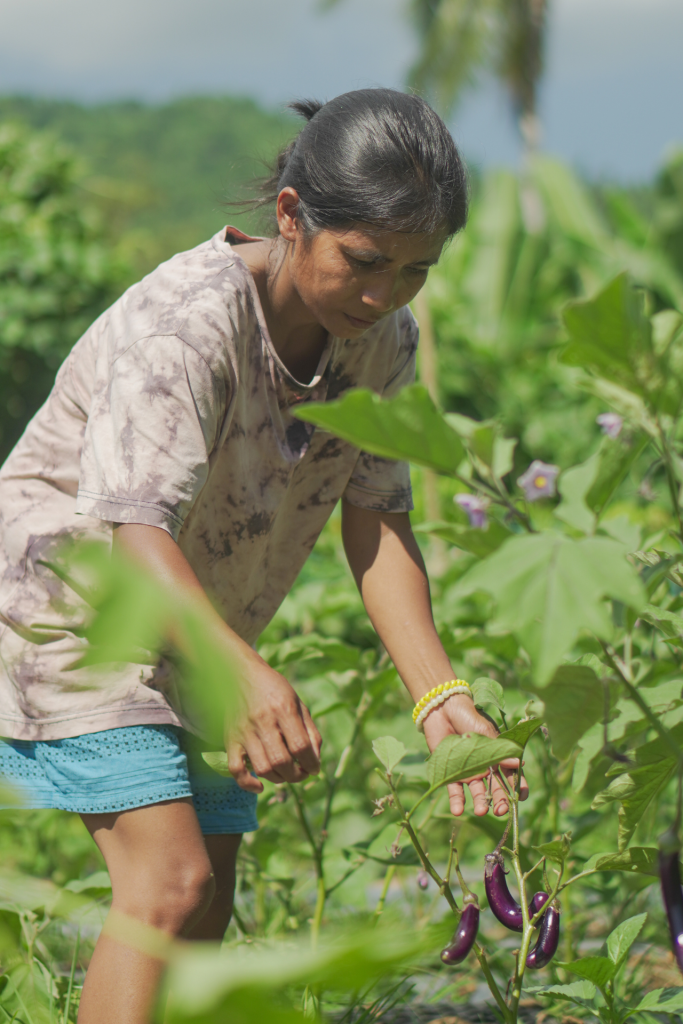
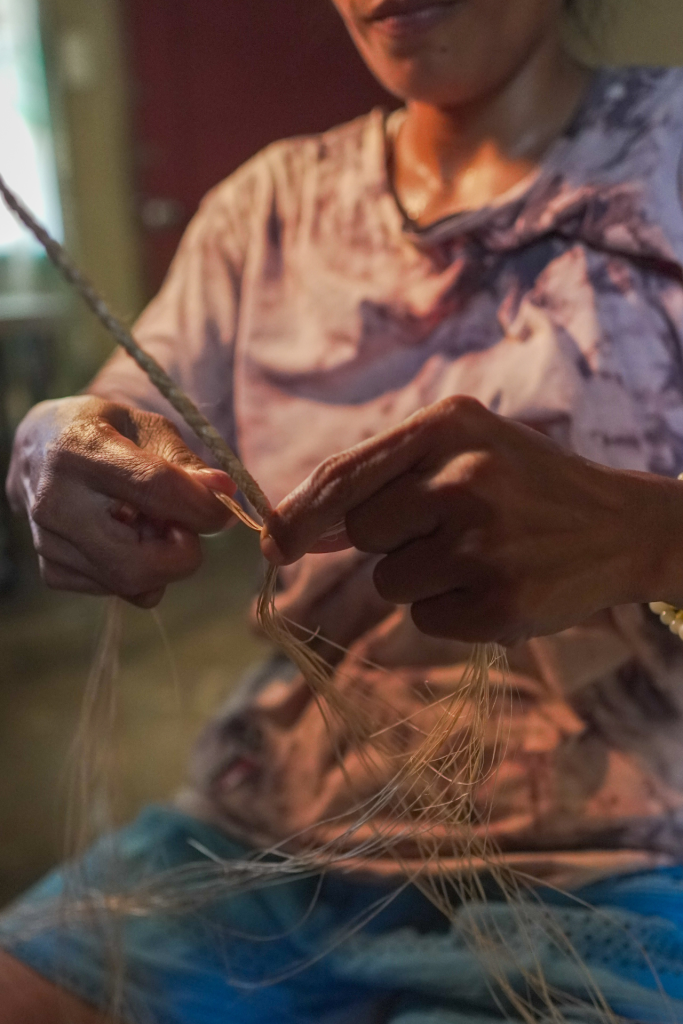
The project’s training encouraged her to diversify their livelihood. While she continues to make twine from abaca, Analyn began growing vegetables such as chilies, squash, eggplant, and string beans. The vegetables provide food for the family and regular income from selling what they do not consume. Meanwhile, abaca remains a long-term source of earnings. Since December 2024, she has harvested several times, creating a steady cash flow that was not possible when she depended on a single crop.
As a farmer leader, Analyn now shares her experience with others. She manages the community demonstration farm and encourages fellow farmers to adopt diversified farming. When challenges arise, the results from the demo farm remind the group that they are no longer dependent on one harvest. Their farms are becoming productive, multi-crop spaces that support both their families and the local economy.
About the project
Supported by the Tijori Foundation, the WEE project aims to improve women’s economic empowerment and the social well-being of abaca and root crops farmers, processors, traders, and workers. It is being implemented by CARE Philippines in 17 barangays in Bato and Virac municipalities in Catanduanes province to help rebuild livelihoods and support local abaca farming communities.