Women and girls in the Philippines are in need of your support.

  • Home
  • CARE Philippines

Author: CARE Philippines

Rapid Humanitarian Analysis: Cebu Earthquake

  • CARE Philippines
  • Featured Stories, Humanitarian, Latest News & Stories, Reports & Publications, Resources, Women and Girls, Women and Girls

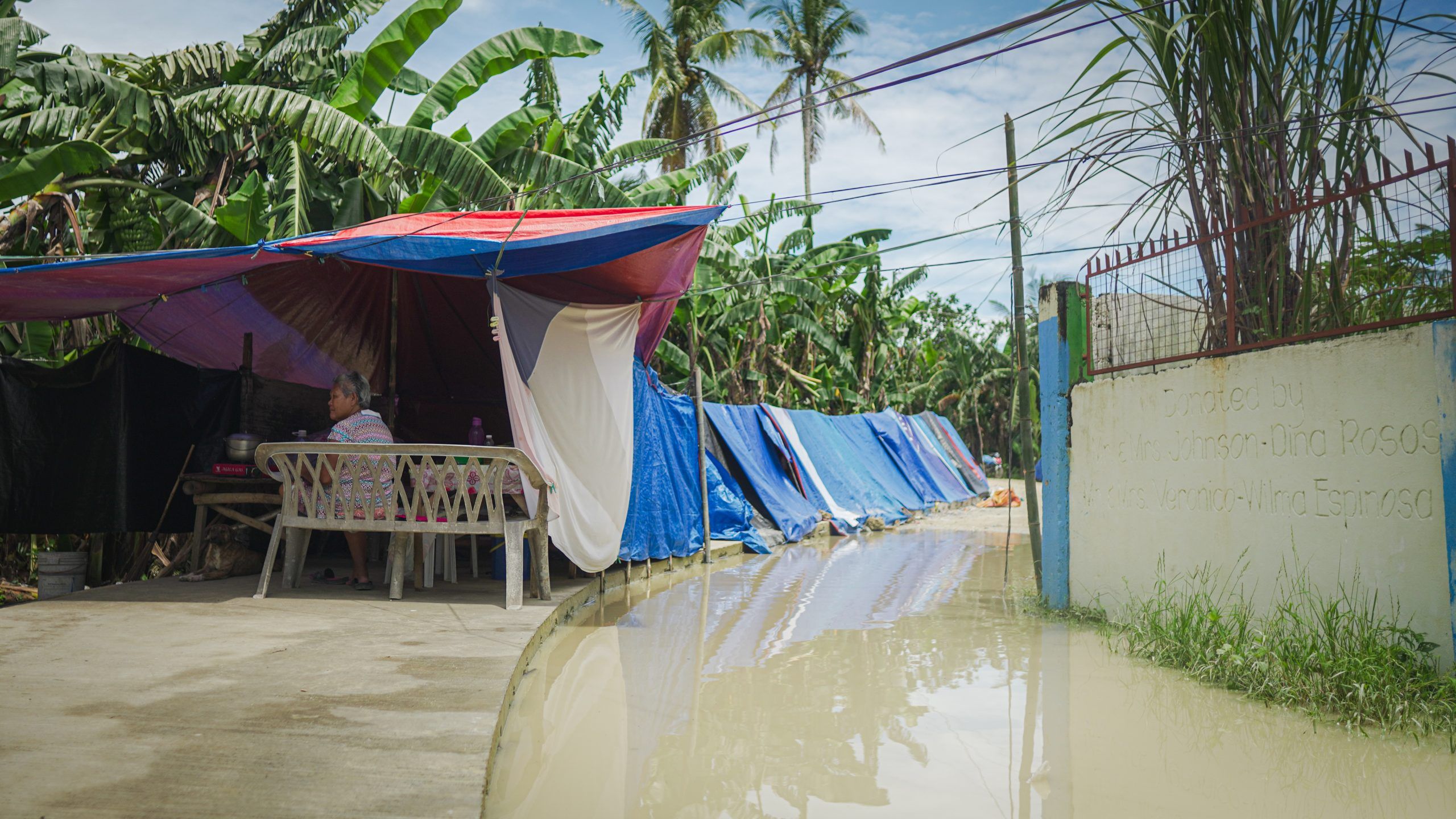
On September 30, 2025, a powerful 6.9-magnitude earthquake struck northern Cebu, damaging homes, disrupting livelihoods, and displacing thousands of families in Daanbantayan, Medellin, and San Remigio. Many people are still living in temporary shelters and facing challenges in accessing clean water, food, and health services.

CARE Philippines, through its SAFER and ACCESS projects, carried out a Rapid Humanitarian Analysis (RHA) from October 7–14, 2025. The assessment looks at how the earthquake affected women, men, children, and other at-risk groups, and identifies urgent needs and opportunities for recovery.

The report highlights priorities such as safe shelter, clean water, health and psychosocial support, and livelihood recovery—while promoting inclusive solutions that restore dignity and resilience.

Read the full report to learn what communities are facing and how we can work together to rebuild lives in northern Cebu: RHA-Cebu-Earthquake.pdf

Escalating crisis: On the 12th anniversary of Typhoon Haiyan, Philippines braces for another super typhoon

  • CARE Philippines
  • Featured Stories, Latest News & Stories, Press Release

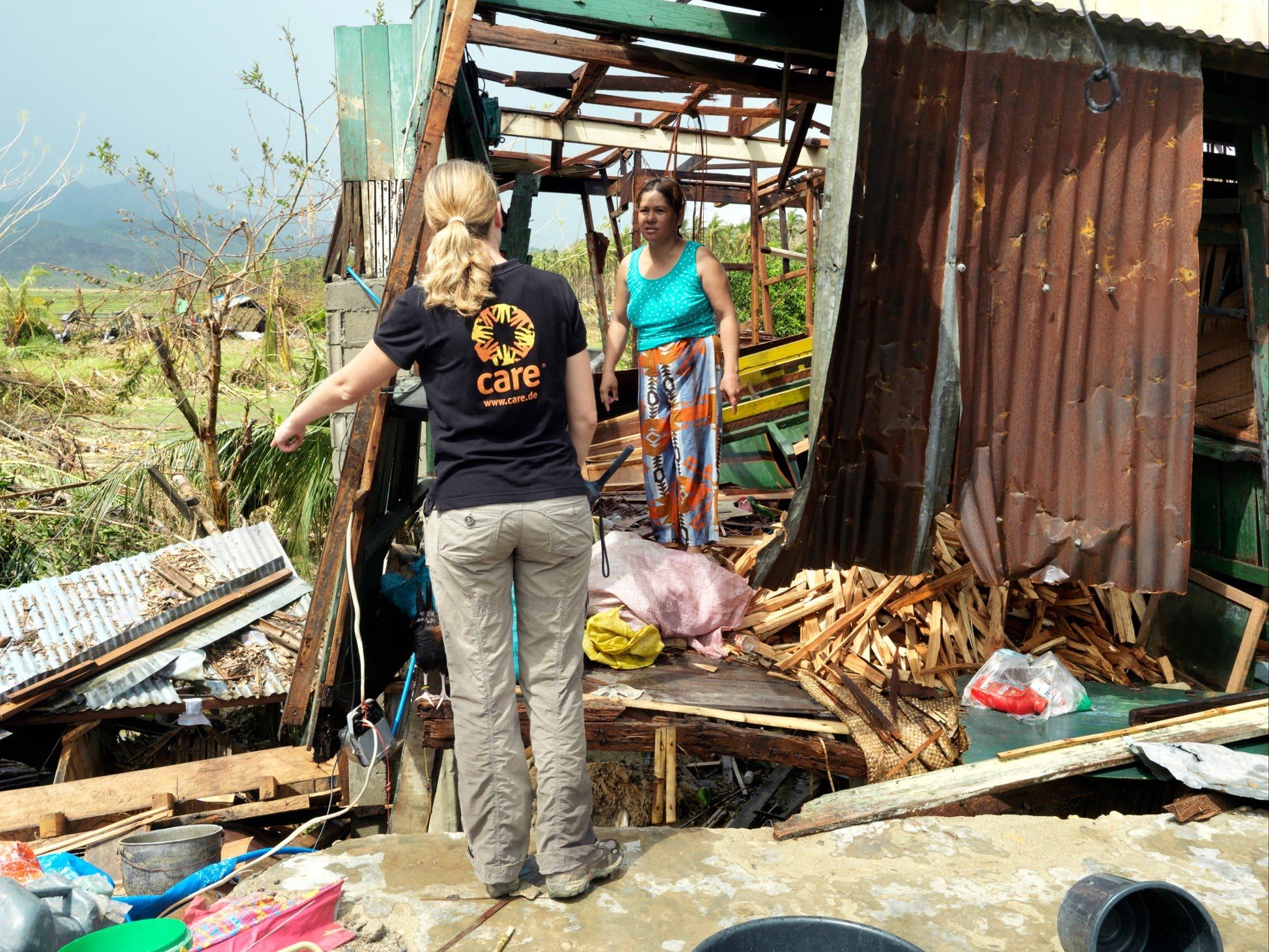
Photo: CARE staff Sandra Bulling talk to survivors of typhoon Haiyan in the Philippines. The typhoon caught the Philippines by surprise by the typhoons size and strength and is believed to be one of the strongest typhoons on record. Thousands have died across a large area of land and CARE are responding with food and shelter material. Photo: CARE/Peter Caton

CARE, Manila, November 8, 2025 – Exactly 12 years to the day after Super Typhoon Haiyan (Yolanda) claimed more than 6,000 lives in 2013, the Philippines is facing another potential super typhoon. CARE Philippines is bracing for Typhoon Fung-wong (locally named Uwan). Forecasters expect it to intensify into a super typhoon just four days after Typhoon Tino devastated the Visayas.

“It is heartbreaking and terrifying that on this day of remembrance for Haiyan, communities are once again forced to flee their homes. We are witnessing an unbroken cycle of destruction that is pushing people to their breaking point,” said Reiza S. Dejito, Country Director of CARE Philippines. “Families in the Visayas have barely started cleaning the mud from their homes after Typhoon Tino, and now they must prepare for Uwan. This is the stark reality of the climate crisis—hazards are becoming so frequent that there is zero time to recover.”

Typhoon Uwan is projected to track towards Luzon. It may make landfall in Catanduanes—an island province that has not yet fully recovered from Super Typhoon Pepito (Man-yi) last year. CARE is deeply concerned for abaca farmers there. Their newly replanted crops take two years to mature and are at high risk from the approaching storm.

Meanwhile, the situation in the south remains critical. Dinagat Islands and Southern Leyte, areas hit first by Typhoon Tino only four days ago, are back under Tropical Cyclone Wind Signals today due to Uwan’s expansive reach.

CARE Philippines is managing a complex, multi-front response. Teams are on the ground providing life-saving aid to flood and lahar survivors in Cebu and Negros from Typhoon Tino. At the same time, we are assessing readiness for Uwan’s anticipated impact in Luzon.


Notes to the editor:

  • Super Typhoon Haiyan (Yolanda) made its first landfall on November 8, 2013. It is the deadliest typhoon in Philippine modern history, with over 6,300 confirmed dead.
  • Typhoon Fung-wong (Uwan) is forecast to rapidly intensify and may reach super typhoon category before a possible close approach or landfall over Catanduanes on November 9.
  • Typhoon Tino, which made landfall on November 4, has already affected over 1.4 million people and displaced more than 600,000.
  • CARE Philippines is responding to these compounded crises through its local partners and the ACCESS Consortium.

Media contacts:

Mary Therese L. Norbe

CARE Philippines Communications Specialist (English, Filipino, Bisaya, Hiligaynon) marytherese.norbe@care.org

CARE Philippines takes early action as Typhoon Tino threatens vulnerable communities

  • CARE Philippines
  • Blog, Featured Stories, Latest News & Stories, Press Release

CARE, Manila, Philippines, November 3, 2025 – CARE Philippines is mobilizing in anticipation of Typhoon Tino, which has intensified and is expected to make landfall tonight in Eastern Samar. The storm, combined with the intensified Eastern shear line, is expected to bring destructive winds and heavy rainfall, posing a high risk of widespread flooding and landslides, particularly for communities along the eastern seaboard and those with existing flood hazards. 

The state weather bureau PAGASA reported that “Tino” now has maximum sustained winds of 120 kph with gusts up to 150 kph. It is forecast to make its initial landfall at or near its peak intensity of up to 165 kph

“We are working with our local partners across the Humanitarian Partnership Platform (HPP), Start Ready, and the ACCESS Consortium to ensure that critical support reaches the most at-risk communities, fast and effectively,” said Reiza S. Dejito, Country Director of CARE Philippines

In Eastern Samar, CARE is initiating early response actions through its Start Ready project, supported by the Start Network. This includes coordination with local authorities, the pre-positioning of essential supplies, and ensuring the readiness of response teams. 

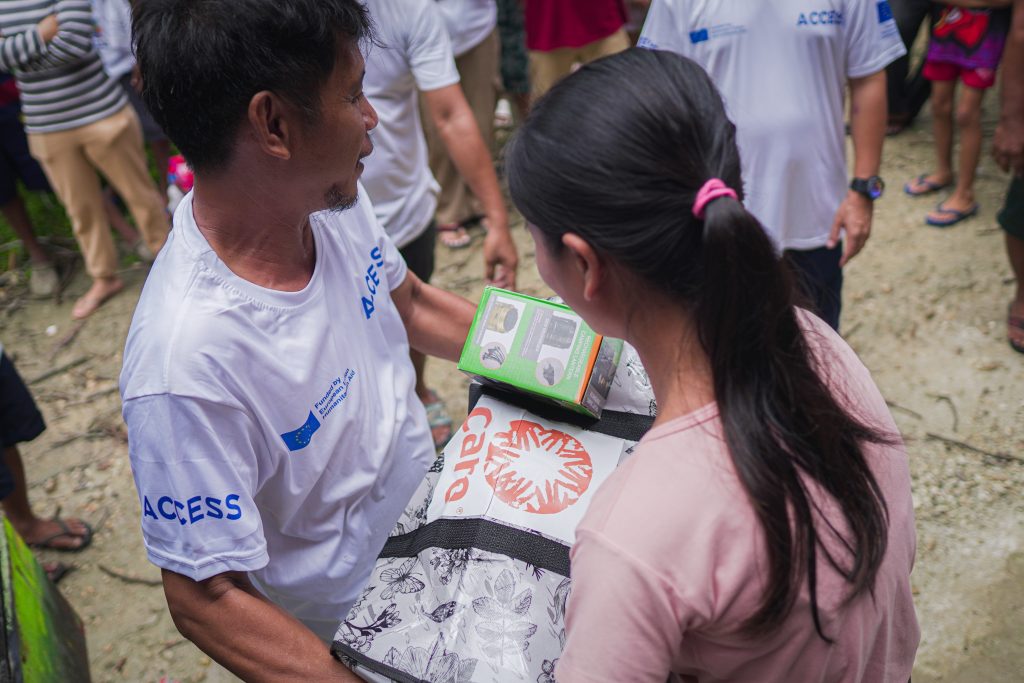
Photo: CARE staff hands a shelter Non-Food Item (NFI) kit and a solar lamp to a community member in Medellin, Cebu on October 30, as part of its Cebu Earthquake Emergency Response.

Dejito also emphasized that CARE is closely monitoring the situation in areas still recovering from previous disasters, such as northern Cebu which was hit by a magnitude 6.9 earthquake on September 30 and now lies in the typhoon’s projected path. “Our teams are coordinating with local partners to assess risks, communicate early warnings, and prepare for potential compound impacts,” she said. 

“We know that those already coping with disaster impacts—especially women, girls, and people with disabilities—face heightened risks when storms hit. That’s why we take early action, reinforce local capacities, and focus on delivering timely, targeted support before the worst conditions arrive.” 

For media inquiries, please contact: 

Mary Therese L. Norbe

Communications Specialist

marytherese.norbe@care.org

Notes to the editor

  • CARE’s initial response priorities include food, clean water, shelter support, and hygiene kits. 
  • This mobilization for Typhoon Tino comes as CARE Philippines continues its response to other recent disasters, including Tropical Cyclone Opong, and the earthquakes in Cebu and Davao.
  • CARE Philippines has a long history of responding to typhoons, including Super Typhoon Haiyan (Yolanda) in 2013, Super Typhoon Rai (Odette) in 2021 and Super Typhoon Nando (2025).  

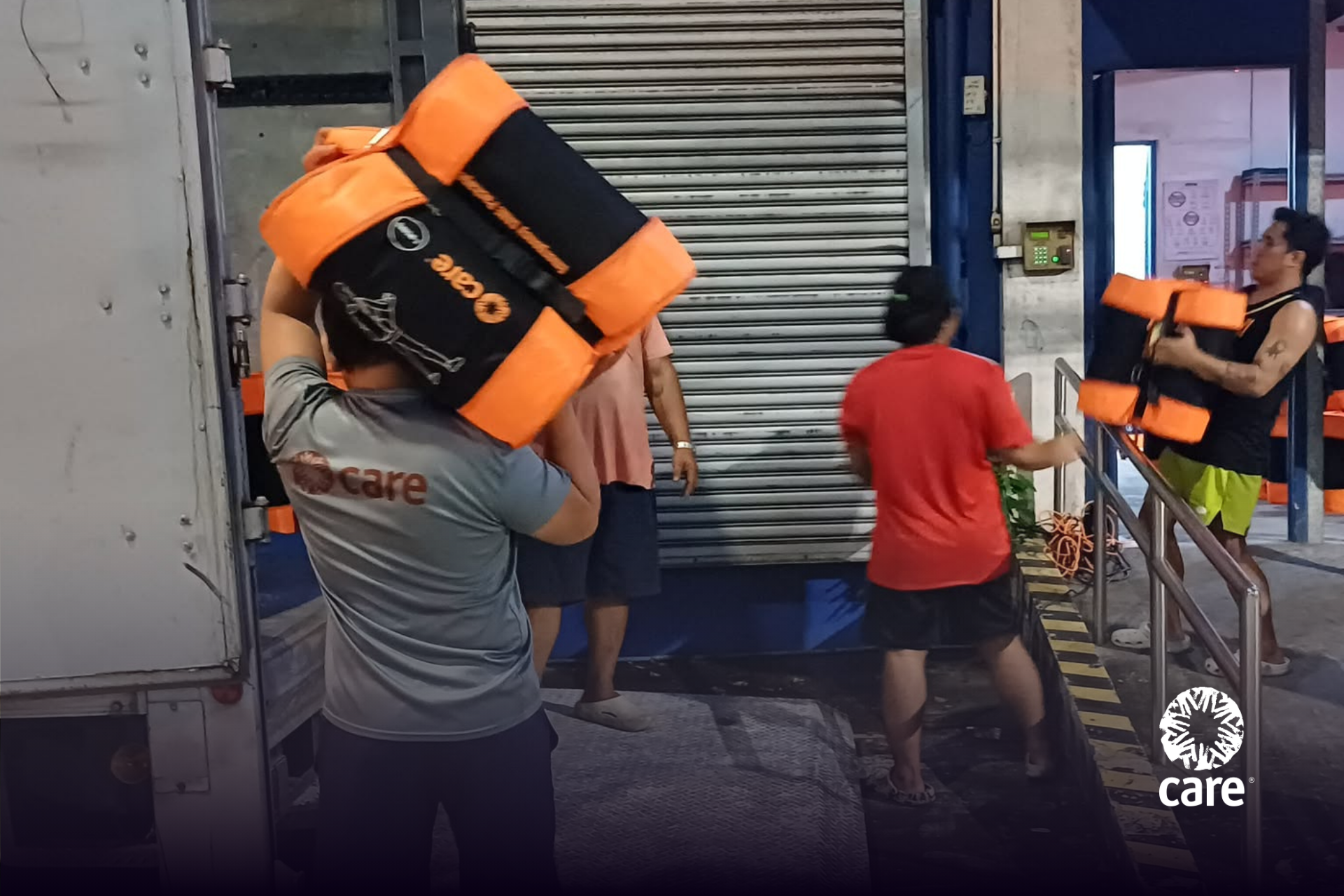
CARE staff loads an Emergency CARE Package to be delivered and distributed to typhoon-affected communities

CARE Philippines, partners respond as TC Opong compounds needs from recent storms 

Manila, Philippines (September 27, 2025) — CARE Philippines and its partners are expanding their emergency assistance after Typhoon Opong made landfall, compounding a crisis for communities still reeling from two previous storms and an enhanced southwest monsoon. According to the National Disaster Risk Reduction and Management Council (NDRRMC), the successive weather events have affected 520,000 families, and displaced 1,000,000 individuals, across 15 regions. 

CARE’s emergency response teams are working closely with local partners, including the Humanitarian Partnership Platform and ACCESS consortium, to rapidly assess the most urgent needs and are preparing to distribute Emergency CARE Packages™. 

“We are acting early to reduce risk and protect lives,” said Reiza S. Dejito, Country Director of CARE Philippines. “Side by side with local partners, we’re ensuring timely, safe, and dignified support—placing those most at risk in last-mile communities at the center of our response: women and girls, older people, persons with disabilities, and indigenous communities.” 

Some of the most urgent needs identified include food assistance and livelihood support as flooded fields, damaged boats, and lost daily wages hit families hardest, particularly at-risk and indigenous upland communities. Safe water, hygiene supplies, proper sanitation, and emergency shelter with essential household items are needed in crowded evacuation centers, alongside protection measures (such as well-lit, separate spaces and services for women, and girls; psychosocial support; and dignity kits). Learning is disrupted, requiring temporary learning spaces and basic materials so classes can resume. 

“Our teams are ready and coordinating with authorities, partners, and community leaders to identify the hardest-hit areas quickly and get assistance where it’s needed most,” said Jessan Catre, Humanitarian, Disaster Resilience and Peacebuilding Coordinator, CARE Philippines. 

Each year, multiple tropical cyclones and monsoons affect the Philippines, driving recurrent flooding and disruptions to essential services. The impacts of these back-to-back, interacting hazards make recovery challenging for many communities, particularly those in geographically isolated and disadvantaged areas.  

CARE Philippines has provided humanitarian and development support since 1949. As one of the most disaster-prone countries globally, the Philippines faces significant challenges, and CARE remains at the forefront of delivering life-saving support to communities most in need. According to the World Risk Index report, the Philippines has been ranked as the country most at risk for disasters for four consecutive years. This context underscores the critical importance of CARE’s work in disaster preparedness and strengthening local capacity. 

Note to Editors: 

The Emergency CARE Package™ is a lightweight, 20 kg kit with 39 essential items to help a family of four for one month. It includes supplies for shelter, clean water, hygiene, and cooking.   

  • The kit was successfully tested in Nepal after an earthquake, where it received positive feedback. CARE plans to provide the packages to communities in the Philippines, Bangladesh, Nepal, and the Southern African Region, reaching 6,200 people. 

For media inquiries, please contact: 

Mary Therese L. Norbe, CARE Philippines Communications Specialist 

Email: marytherese.norbe@care.org, Contact Number: +639199117534 

Briefer: Empower and Mobilize Potential Opportunities for Work, Entrepreneurship, and Resilience (EMPOWER the Youth)

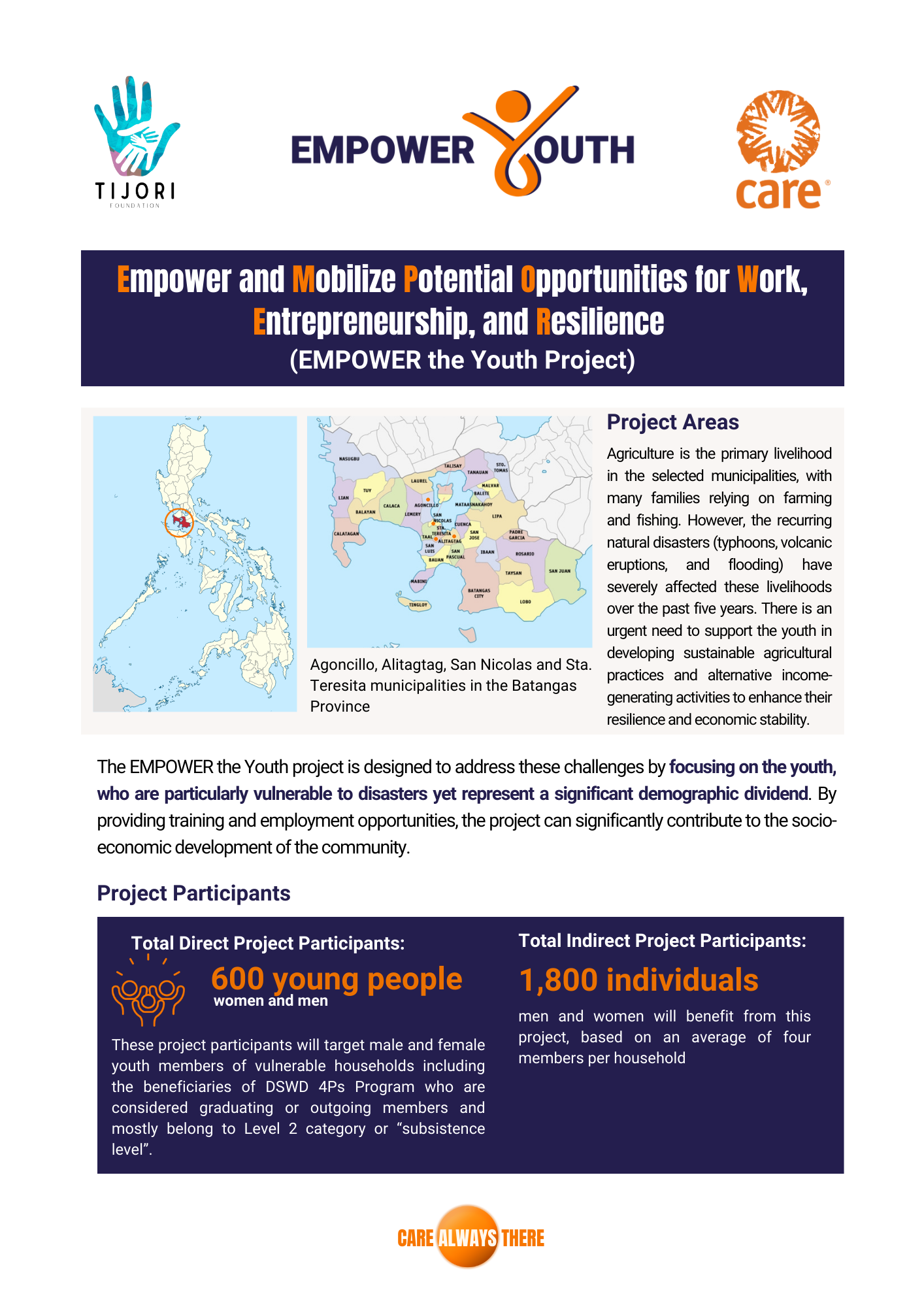
CARE Philippines, with support from the Tijori Foundation, implements the Empower and Mobilize Potential Opportunities for Work, Entrepreneurship, and Resilience (EMPOWER the Youth) project. It supports 600 young people in the Batangas province municipalities of Agoncillo, Alitagtag, San Nicolas, and Sta. Teresita, including youth from households participating in the DSWD 4Ps Program.

The project provides vital training and employment support to youth from families who rely on agriculture and fishing—industries that natural disasters have severely impacted over the past five years. By helping young people develop sustainable agricultural practices and create alternative ways to earn an income, EMPOWER-Y works to build economic stability in the community.

Briefer: Households Economic Resilience Strengthening for Women and Youth (HERS)

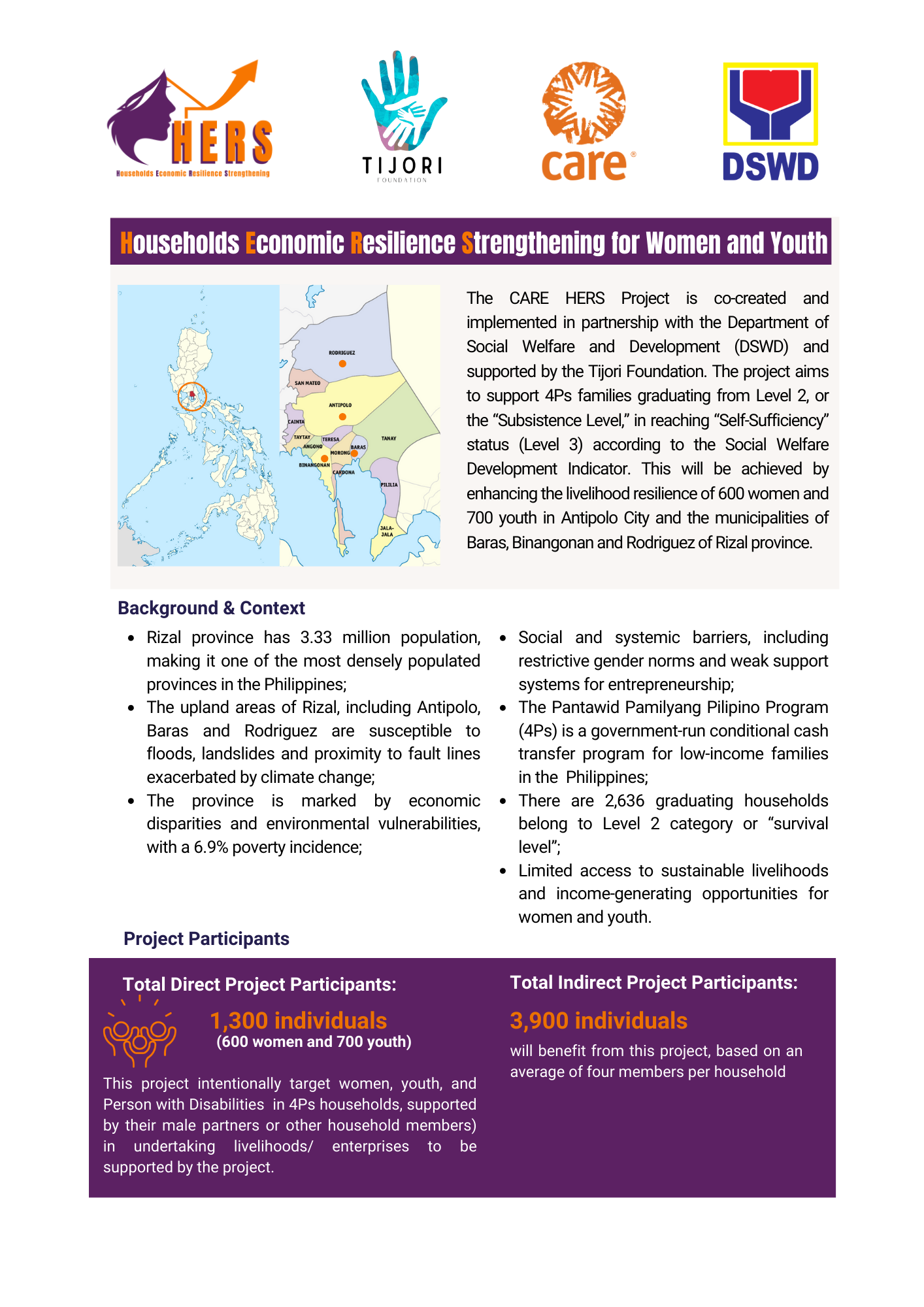
CARE, the Department of Social Welfare and Development (DSWD), and the Tijori Foundation are working together on the Households Economic Resilience Strengthening (HERS) for Women and Youth project. The project helps 600 women and 700 youth in Antipolo City, Baras, Binangonan, and Rodriguez, Rizal, create lasting ways to earn an income.

The project supports families in the government’s Pantawid Pamilyang Pilipino Program (4Ps) as they move toward self-sufficiency. HERS provides women, youth, and Persons with Disabilities with support and opportunities to build their own businesses and secure a stable income.

CARE Philippines statement on the intensification of Tropical Cyclone Nando

MANILA, PHILIPPINES (September 20, 2025) – CARE and its local humanitarian partners are on high alert as Tropical Cyclone Nando (internationally known as Ragasa) threatens to bring destructive winds and torrential rains Central and Northern Luzon. The cyclone is anticipated to strengthen into a Super Typhoon by Monday, September 22. Emergency response teams are on standby to conduct rapid needs assessments and deliver immediate, life-saving assistance to the communities expected to be hardest hit.

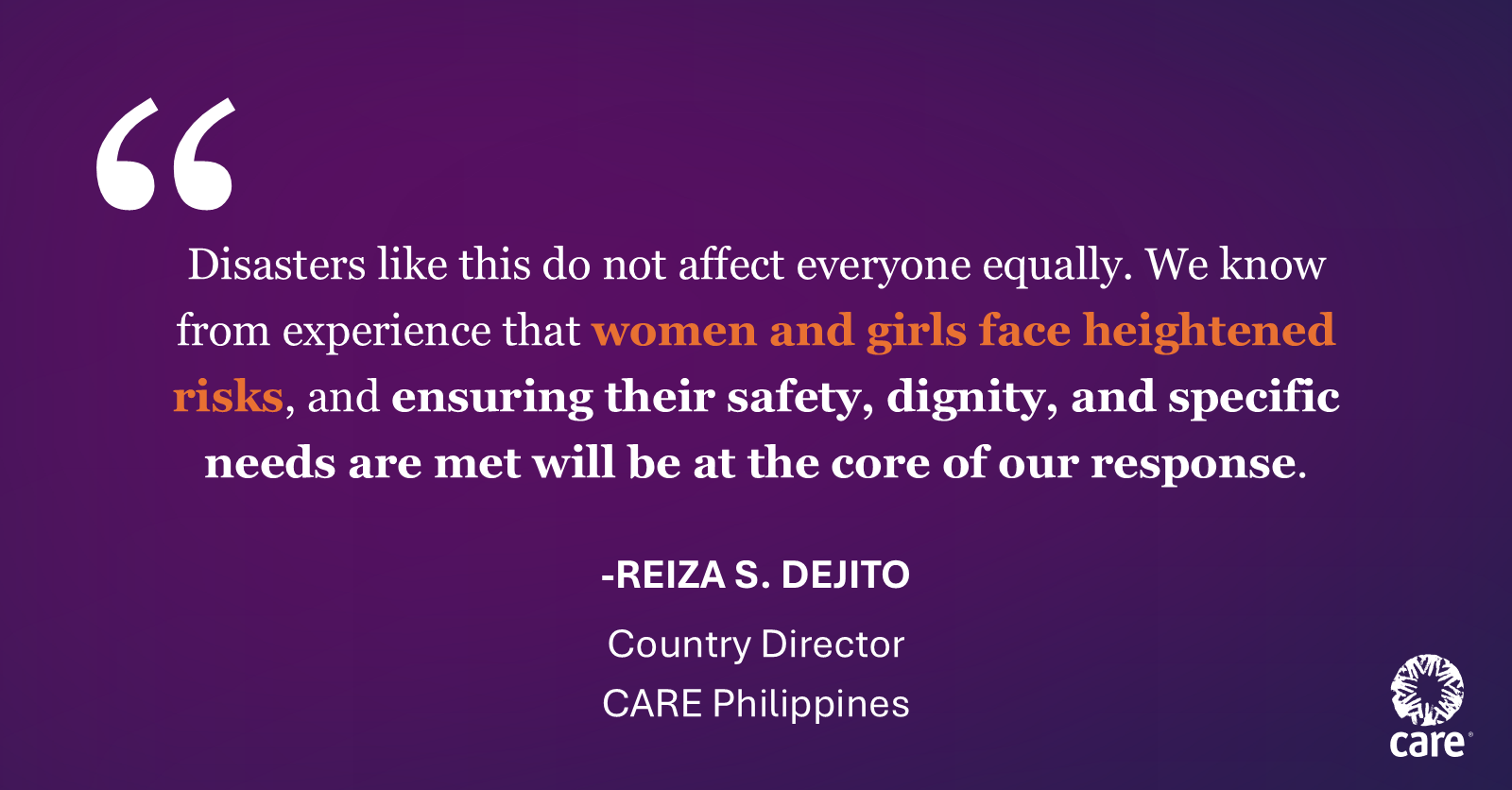
“Our immediate concern is for the safety of families in the typhoon’s path, especially those in low-lying, coastal, upland, and indigenous communities. Disasters do not affect everyone equally. We know from experience that women and girls face heightened risks, and ensuring their safety, dignity, and specific needs are met will be at the core of our response. We are coordinating closely with local partners and call for open, direct humanitarian access so local responders can reach last-mile communities with life-saving support.”

Reiza S. Dejito, Country Director, CARE Philippines

“With PAGASA projecting Super typhoon level for TC Nando, our preparations are moving into the operational phase. Our assessment teams are ready for deployment, and provide emergency supplies for immediate distribution to the most affected families. Our partnerships with community leaders, NGOs and local governments on the ground will be crucial to guide our efforts, ensuring the support we provide is timely and appropriate.”

Jessan Catre, Humanitarian, Disaster Resilience and Peacebuilding Coordinator, CARE Philippines

For media inquiries, please contact:

Mary Therese L. Norbe, CARE Philippines Communications Specialist
Email: marytherese.norbe@care.org, Contact Number: +639199117534

Note to Editors: CARE Philippines has provided humanitarian and development support since 1949. As one of the most disaster-prone countries globally, the Philippines faces significant challenges, and CARE remains at the forefront of delivering life-saving support to communities most in need. According to the World Risk Index report, the Philippines has been ranked as the country most at risk for disasters for three consecutive years. This context underscores the critical importance of CARE’s work in disaster preparedness and strengthening local capacity.

Digitalizing Health through HEAL Hub: Mobile App Capacitates Frontliners One Tap at a Time

The Healthy, Empowered, Accredited, Linked (HEAL) Hub is a digital platform designed for community health workers in the Philippines.

Developed to address gaps in training and improve access to digital resources, the HEAL Hub aims to empower 1,500 barangay health workers (BHWs) in Quezon Province by the end of 2026. BHWs are vital frontline volunteers who provide basic health services and education in their communities. This learning brief, based on discussions with 14 BHWs, highlights the initial successes and challenges of the program, which is part of the global CARE “She Heals the World” initiative and implemented in partnership with the Southern Tagalog People’s Response Center (STPRC).

When the river overflowed: Stories of mothers

San Jose, Rodriguez, Rizal — On the afternoon of July 21, Maribel Bernardo stood at the doorway of her home, watching as the river crept up the street. The rain had been falling for days, but by 2 p.m., the floodwaters had reached her knees. That was when she knew it was time to leave.

“There was no warning from the barangay,” said Maribel, 49, a mother of six. “We just looked outside and realized we didn’t have any more time.”

She and her children left on foot, barefoot and soaked, carrying what little they could. Her husband stayed behind to try and protect their home, as many men in the community did.

After being turned away from one shelter, Maribel’s family found space at San Jose Elementary School, where hundreds of other displaced families had gathered. Every classroom was full, and her family ended up in a room with six others, laying out thin mats on the floor of their cramped new living space.

Among those sharing the room is Claudine Miranda, 30, Maribel’s neighbor and close friend. She also fled with her three children as the water rose around their home. Her husband, a construction worker, has been out of a job since the typhoon shut down work sites.

Conditions at the evacuation center have become increasingly difficult. With so many families in one room, there is little space to move, much less find privacy or rest. The lack of security is a constant worry.

“There are men we don’t know walking around the hallways,” Maribel said. “Our daughters are afraid, and honestly, so are we.”

This fear is a common reality in emergencies. In crises, women and girls face greater risks to their safety. Overcrowded evacuation centers that lack privacy, functioning locks, or separate, well-lit toilets can heighten their exposure to harassment and violence against women and girls. Addressing these protection needs is not an option, but a critical part of any effective humanitarian response.

The support that came was also inconsistent. Initial relief included porridge and a small pack with two kilos of rice, a few cans of sardines, and instant noodles. Since that first day, however, assistance has been unreliable.

Maribel cooks sardines inside their room at the evacuation center.

“Rice is what we need most,” said Claudine. “Even when we have nothing else, we can make rice last.”

But relying on uncooked rations is not enough. The lack of cooking space and a shortage of fresh food creates an immediate need for warm, complete meals to prevent malnutrition, especially for children and the elderly. To fill this gap and provide for her own family, Maribel started selling boiled bananas, fishballs, and coffee around the evacuation center.

Their husbands, both without income, try to make repairs to their damaged homes with salvaged materials. Still, returning feels like a risk neither family can afford, not with the river just steps away and the rainy season far from over.

“If we had a small push, even a little support to restart our work, a small grant or some tools, we wouldn’t be sitting here waiting for assistance,” said Claudine, highlighting the desire to rebuild.

Maribel nodded in agreement. “We’re not asking for much,” she said. “We just want to go home, feed our children, and know they’re safe.”

For families like theirs, the disaster did not end when the rain stopped. Recovery remains out of reach, and as the days in the evacuation center stretch on, so does their uncertainty.

To better understand the situation in the community and guide a more effective response, CARE Philippines and the ACCESS Consortium are assessing the damage and speaking with affected families in Rodriguez, Rizal, to identify their most urgent needs after the flooding brought by Severe Tropical Storm Wipha and the southwest monsoon.

#SheHealsTheWorld Stories: Cecilia

  • CARE Philippines
  • Blog, Featured Stories, Latest News & Stories, Women and Girls

Cecilia, a 52-year-old married mother of four, has dedicated her life to serving her community in Barangay Tagbakan Ilaya, located in the Municipality of Catanauan.

“Since 2018, I’ve been looking after 141 households, making sure that health services reach everyone, even when resources are limited. It’s not always easy, but knowing that I can make a difference in someone’s life keeps me going. I will continue to serve, not for the recognition, but because it’s what my community needs.”

She continues to serve as a volunteer, demonstrating her unwavering commitment to public health and her community’s well-being. remains steadfast in her resolve to serve her community to the best of her ability. Her volunteer work includes participation in CARE’s HEAL Hub project with the Southern Tagalog People’s Response Center – STPRC, Inc., where she continues to provide essential health services and education to the residents of her community.

Cecilia continues to serve as a community health volunteer, catering to patients’ needs at the health center.

Her work involves a range of activities, from conducting health education sessions to assisting in the delivery of primary health care services. Her dedication to the HEAL Hub project highlights her adaptability and willingness to embrace new initiatives aimed at improving community health. Through her volunteer work, Cecilia continues to impact positively on the lives of those in her barangay, ensuring that health services remain accessible despite the challenges she faces.

Her story is one of resilience, dedication, and selflessness. Her ability to continue serving without financial compensation showcases her deep-rooted commitment to her community’s health and well-being. Her efforts as a volunteer not only fill a critical gap in health services but also inspire others in the community.

Join the fight.
Sign up for our mailing list.