Women and girls in the Philippines are in need of your support.

  • Home
  • Mary Therese Norbe

Author: Mary Therese Norbe

Stories from the Field: For a mother in Negros, the flood took more than a home

  • Mary Therese Norbe
  • Blog, Featured Stories, Humanitarian, Latest News & Stories, Women and Girls

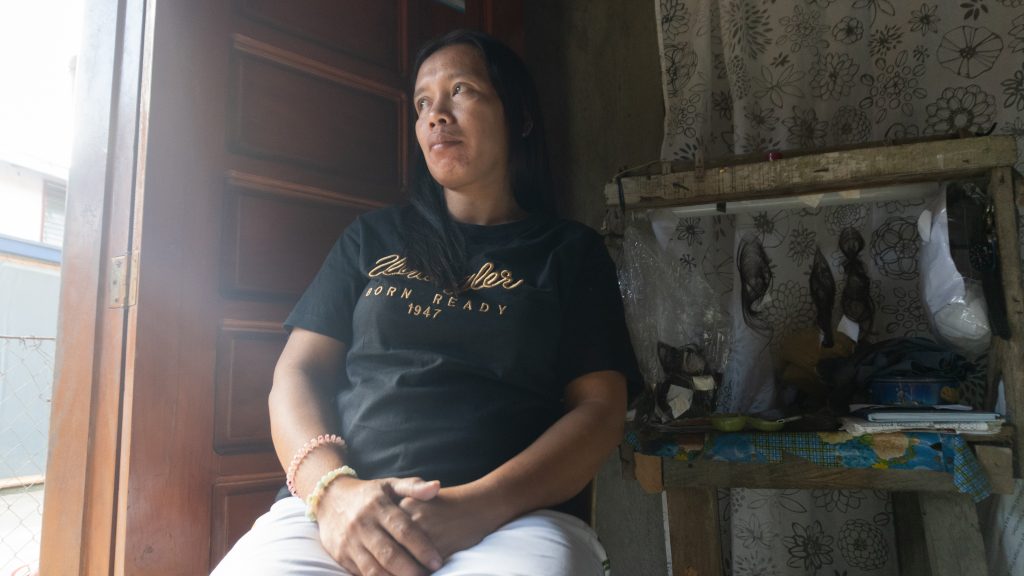
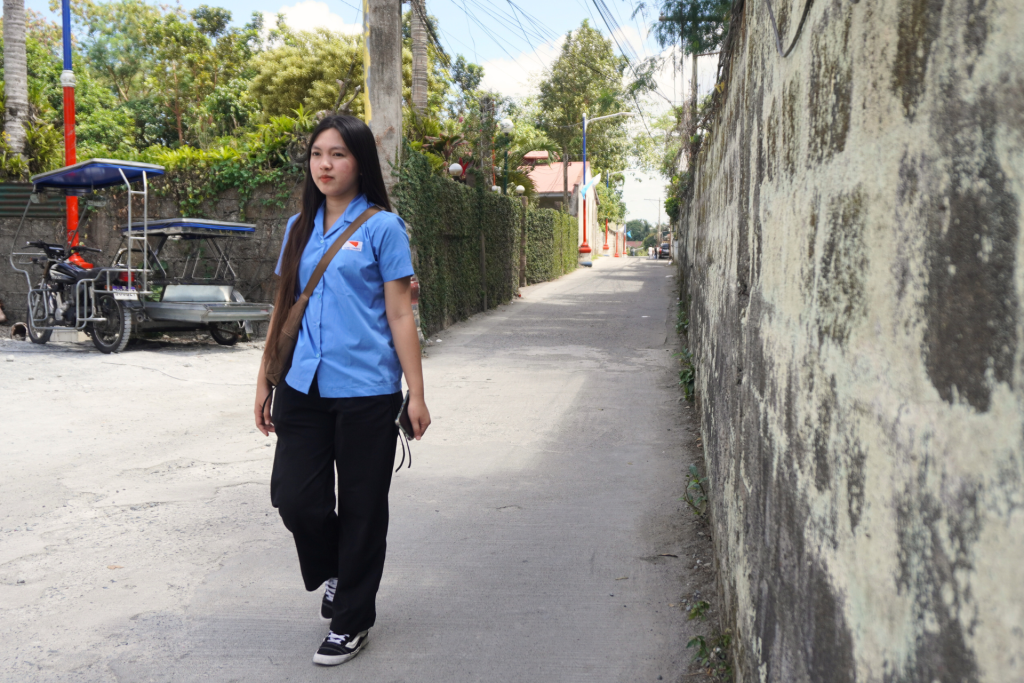
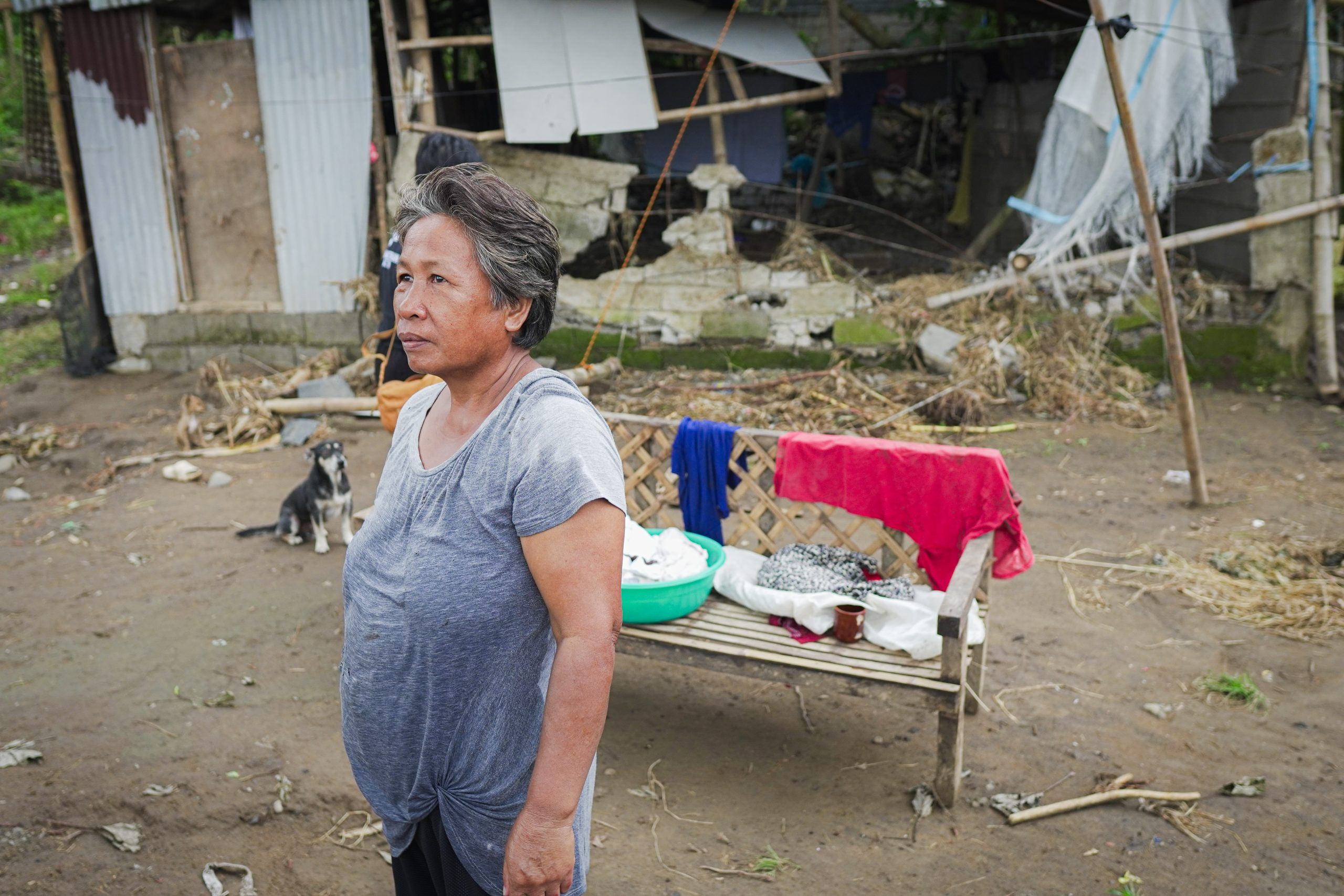
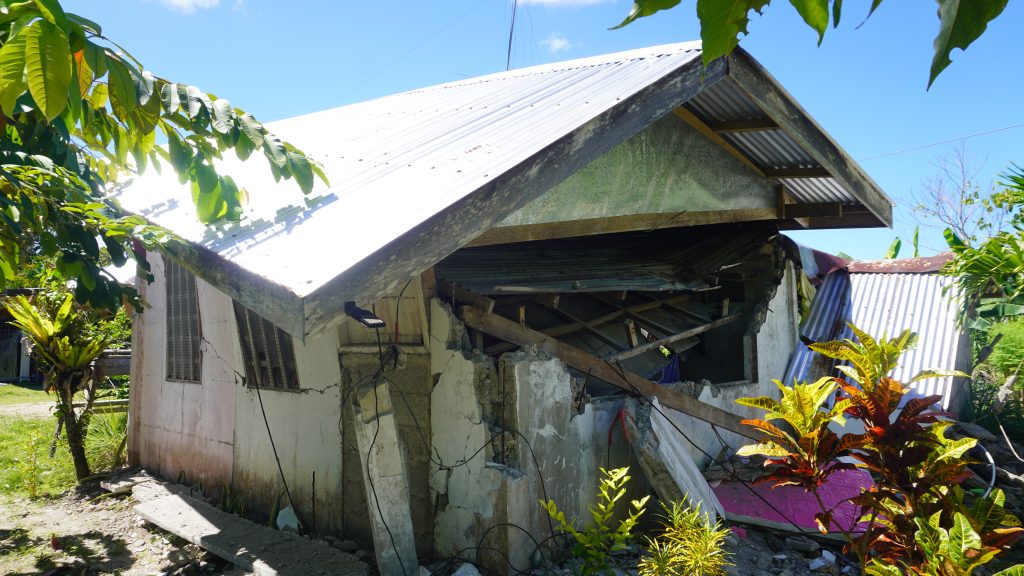
For Gina Billones, 53, life along the Bago River in Murcia, Negros Occidental, is shared with her two children, ages 24 and 17. They are one of several families settled in a community along the riverside.

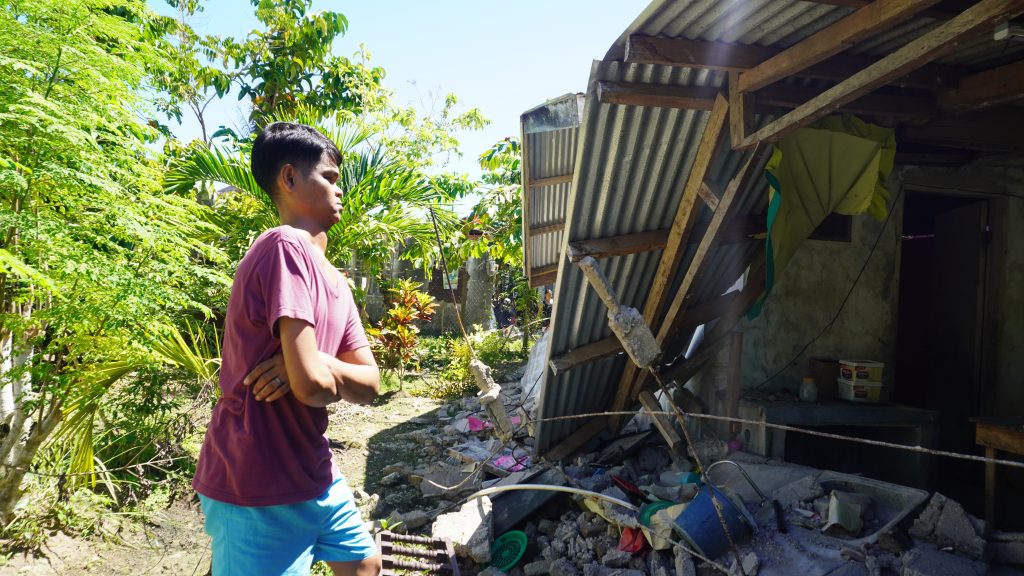
Recent flooding in the area caused by the heavy rains by Typhoon Tino (international name Kalmaegi) significantly damaged Gina’s house, forcing the family to evacuate. Since the disaster, they have been relying on food packs distributed by the social welfare office to meet their basic needs.

Access to safe and reliable water remains a pressing concern. The flood overflow contaminated the household’s shallow well, which they typically use for daily needs, making it unsafe. The family must now source their drinking water from a refilling station, at a cost of PHP 135 ($2) per container.

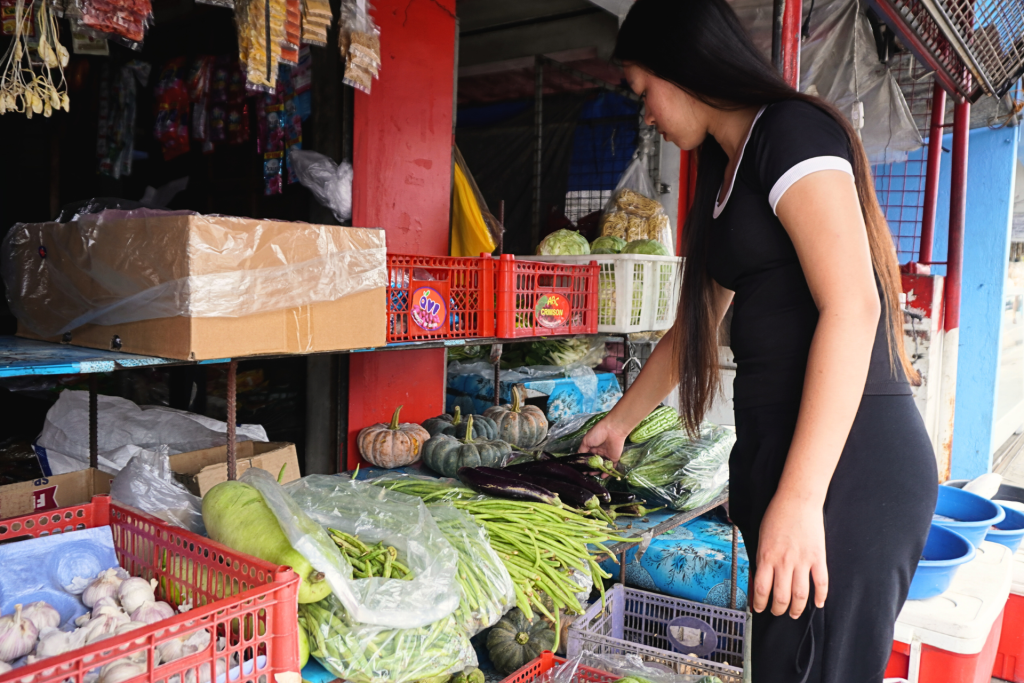
The flood has also interrupted the family’s income. Gina works in the nearby sugarcane fields, but the flooding temporarily halted all work on the plantation. This sudden stop in work affects multiple households in the riverside community, many of whom share a similar dependence on plantation-based labor.

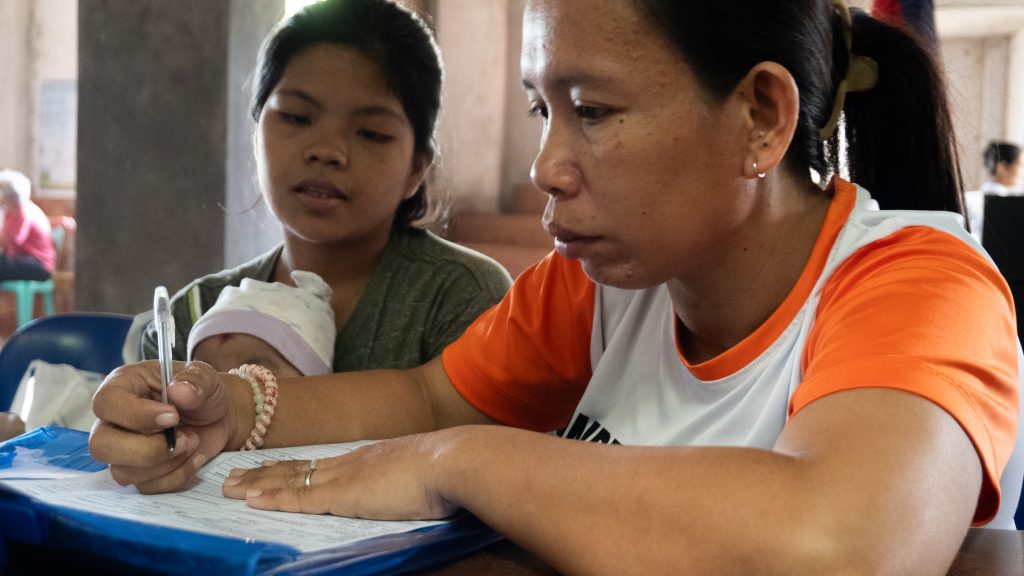
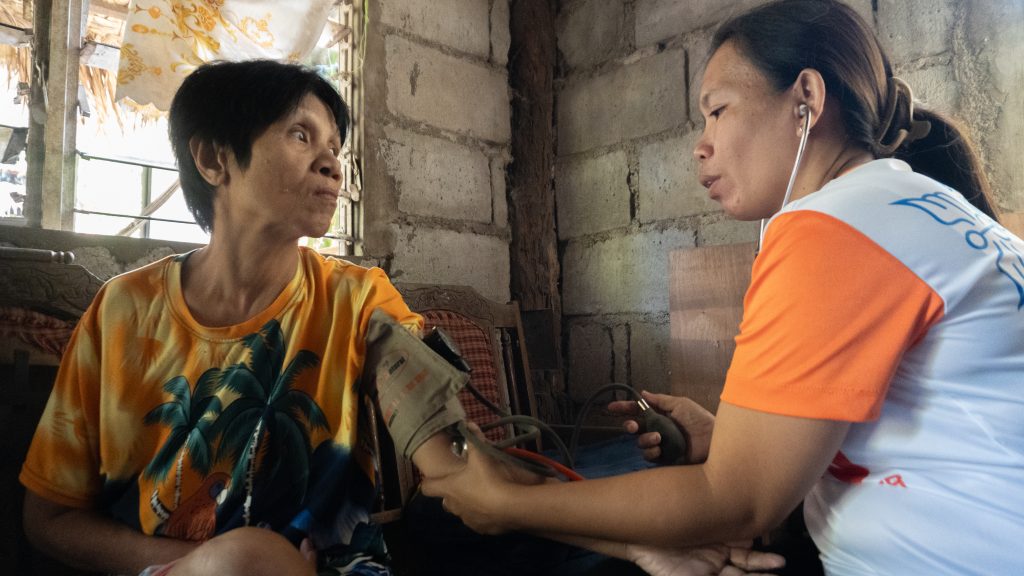
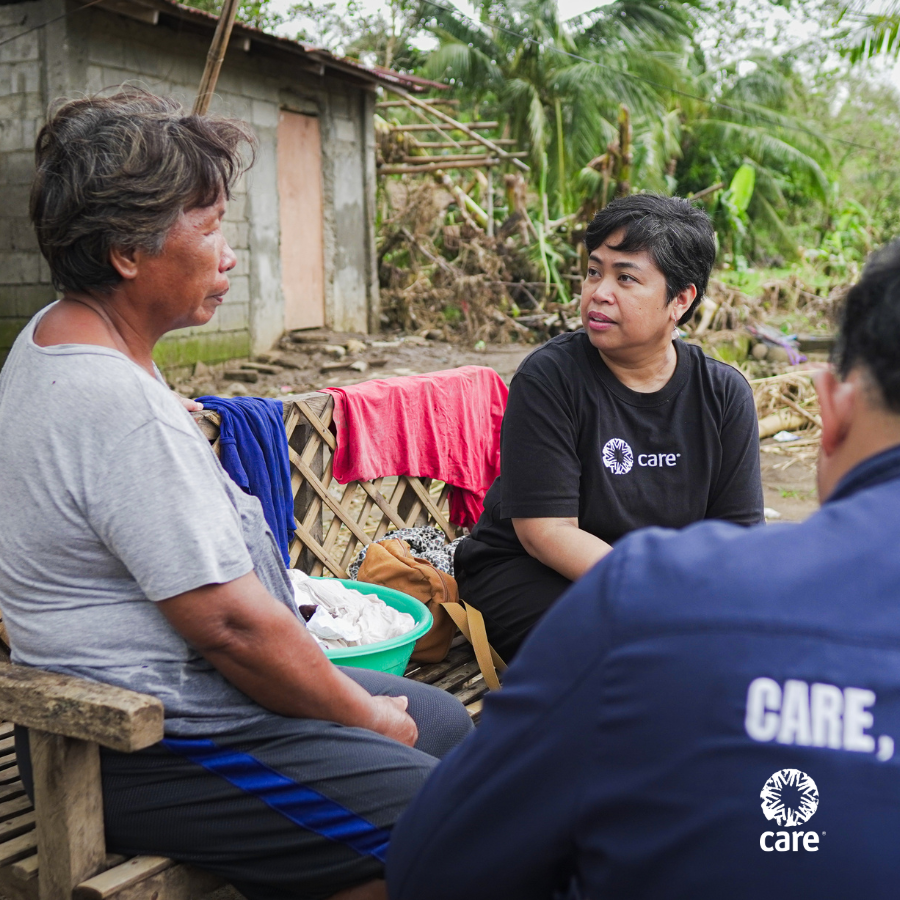
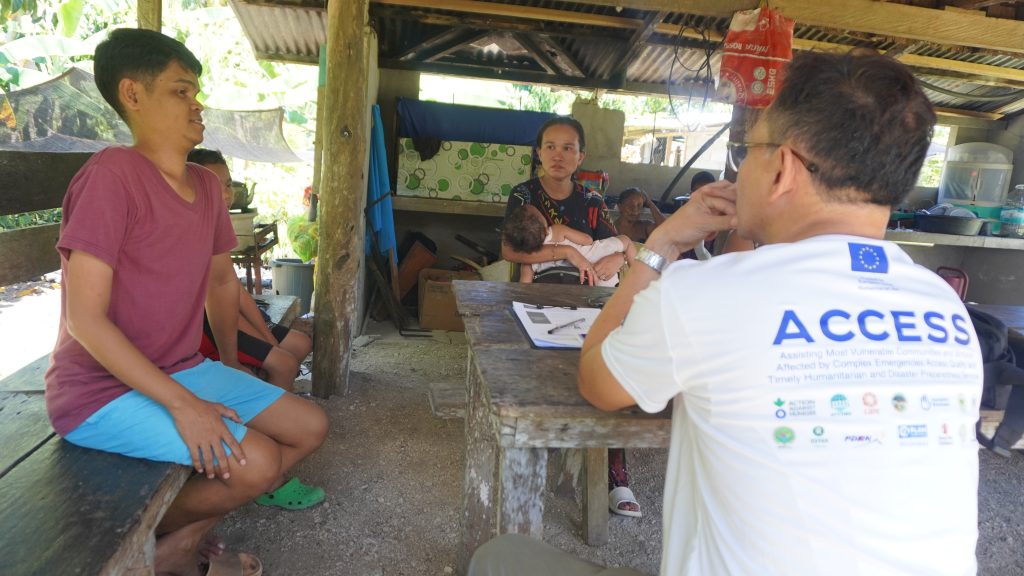
Gina shares her story to CARE Philippines Country Director and her team during their assessment in the community on November 9, 2025.

“We have no income but we have to buy what we need”, she shared.

At present, the family’s priority needs include continued food support, safe drinking water, and materials for shelter repair. The early resumption of their livelihood, or alternative options for earning an income, is essential for them to sustain their daily living and begin recovery.

CARE Philippines is currently assessing the needs of affected communities like Gina’s. The organization is preparing to provide support, focusing on delivering essential items and assistance to help families meet their immediate needs and cope with the effects of the flooding.

CARE responds as Typhoon Tino deepens crisis for earthquake and flood survivors 

For immediate release 

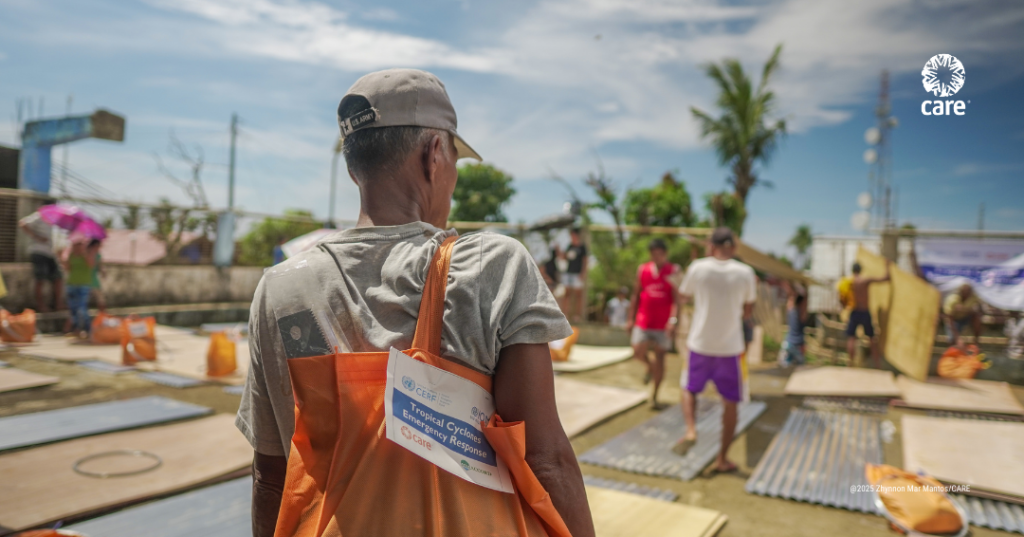
MANILA (November 5, 2025) – CARE Philippines has activated its local emergency teams in Cebu, Negros Occidental, and Eastern Samar to help communities affected by Typhoon Tino (Kalmaegi). The storm has hit areas that were already dealing with other recent emergencies. 

The storm, which made five landfalls across the Visayas, has affected 1,107,819 people and displaced 577,928 as of November 5. The National Disaster Risk Reduction and Management Council (NDRRMC) has also reported 52 people dead and 13 missing. In response to the extensive damage, a State of Calamity has been declared in 53 cities and municipalities in Cebu. 

“Women and girls are once again carrying the weight of overlapping crises,” said Reiza S. Dejito, Country Director of CARE Philippines. “In Northern Cebu, families who lost their homes in the September earthquake are displaced again. Our recent assessment there showed that women were already under extreme stress, holding their families together while living outdoors in fear of aftershocks. This typhoon now adds a devastating new layer of hardship to their struggle. We are seeing similar compound crises in Eastern Samar, with recurring floods, and in Negros, with the threat of volcanic lahars. Our immediate priority is to find out what people urgently need for shelter, clean water, and food.”  

Typhoon Tino passed through several areas already facing emergencies. In Northern Cebu, the storm hit communities still recovering from the M 6.9 earthquake on September 30. In Eastern Samar, it is affecting communities that have already endured recurring floods from recent storms, monsoons, and the shearline. In Negros Occidental, heavy rainfall has triggered high-risk warnings from PHIVOLCS for lahars (volcanic mudflows) from Kanlaon Volcano. 

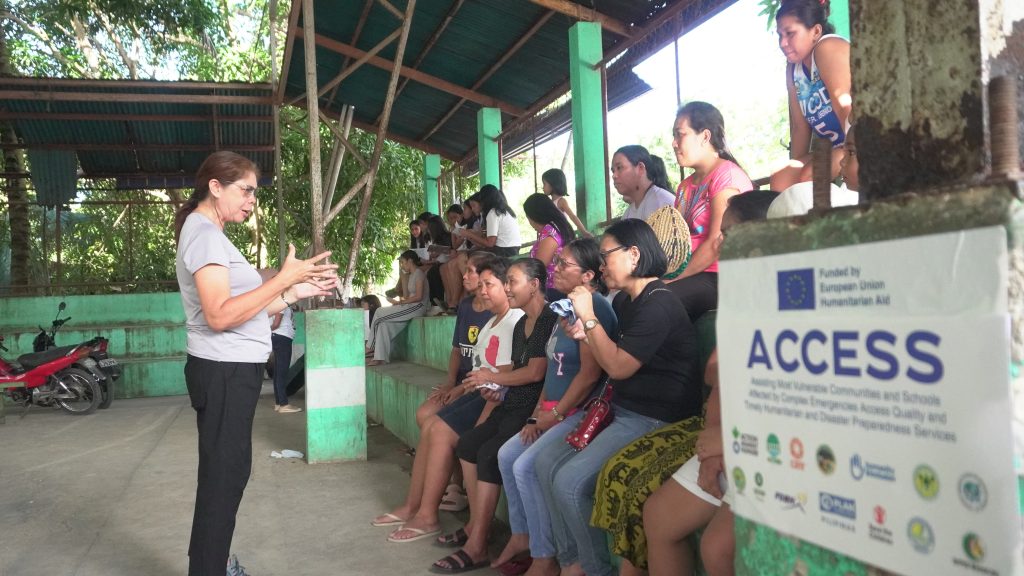
CARE can respond quickly because we have local offices and partners in these areas. CARE’s Start Ready project, which was activated before the storm, has also already prepositioned supplies into Eastern Samar. CARE activated these teams, with the Humanitarian Partnership Platform (HPP) and through the European Union Humanitarian Aid-funded ACCESS Project — led by CARE and implemented with a consortium of local and international organizations — to conduct a rapid assessment (known as an RDANA) to find out what people need most. 

ShapeCARE will work closely with local government units and other humanitarian actors to complement ongoing relief and recovery efforts, building on existing coordination mechanisms to ensure that assistance reaches the most at-risk families efficiently and equitably. 

Notes to the editor: 

  • CARE’s emergency response is complicated by multiple other active emergencies: STS Opong, M6.9 earthquake in Northern Cebu, the recent eruption of Kanlaon Volcano in Negros Occidental, and Davao earthquake.  
  • CARE’s initial response priorities include food, clean water, shelter support, and hygiene kits.  
  • CARE Philippines has a long history of responding to typhoons, including Super Typhoon Haiyan (Yolanda) in 2013, Super Typhoon Rai (Odette) in 2021 and Super Typhoon Nando (2025).   


For media inquiries, please contact:  

Mary Therese L. Norbe  

CARE Philippines Communications Specialist   

(English, Filipino, Bisaya, Hiligaynon)  

marytherese.norbe@care.org  

+63919 911 7534 

A close call with death: Surviving the Davao Oriental earthquake 

For 10 years, pastor Richard Macanas, 48, and his wife, Jovelyn, 39, have made their home in Baganga, Davao Oriental. While Richard serves his community, Jovelyn cares for their two young children.

Living near fault lines, the family has experienced several earthquakes.

“We are aware this place is prone to earthquake,” Richard said, “But we remained because this is where I serve in church, where we bought our house and [are] raising our children”.

This constant threat became a terrifying reality in 2023 when a major earthquake struck at night. It damaged their doorway, trapping a pregnant Jovelyn and their son inside. The experience left a lasting mark, making them fearful. They learned to monitor tsunami alerts and evacuation instructions, prepared “go-bags,” and taught their son what to do when an earthquake happens.

But nothing prepared them for the 7.4-magnitude earthquake that struck 9:43 a.m. on October 10. Jovelyn recalled tending to their one-year-old daughter when the ground shook violently. Their house began to crumble as she struggled to get out. Richard rushed inside the house while the ground was shaking, grabbed Jovelyn and their daughter and led them outside, just moments before their ceiling and roof collapsed.

“We could have died,” said Jovelyn.

Their relief was cut short by a new fear. Their son, Lynnch, eight, was still at school, and they didn’t know what had happened to him during the earthquake. Richard was about to run and fetch him when Lynnch arrived with other children on a neighbor’s motorcycle. Upon seeing his parents, he wailed and hugged them.

“I was so scared,” Lynnch said. “I thought I would never see them again.”

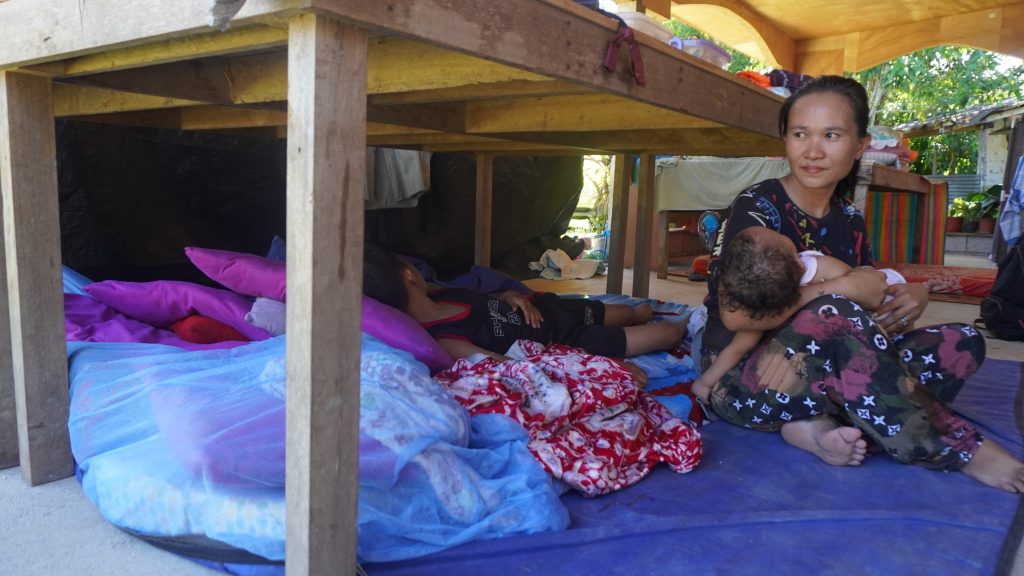
Even after the main quake, emotions remained high as the family stayed alert for aftershocks. They took shelter in the church garage, sleeping under tables in the open space. Whenever the ground shook again, they huddled together for safety, and the parents comforted their crying children.

Photo: Jovelyn and her children rest by their sleeping area under the table.

The couple is now unsure what to do next. Their house is devastated, and most of their belongings were damaged. They lost WiFi vending machine and new solar light sets they sold for extra income. Richard said the solar sets were brand new, and he hadn’t yet earned anything from them.

As a pastor, Richard’s worries extend to his church congregation, and the people affected by the quake. He has seen families struggle for food. Some are risking their lives by taking shelter in their damaged homes during the day before sleeping in open spaces at night. The health of the elderly, especially those with chronic conditions, has worsened with exposure to the elements. The entire community is on edge; anytime the ground shakes, they fear for their lives.

Now, Richard is urging for help. He says people need food and basic household items like sleeping materials, as many are unable to recover anything from the rubble of their homes. With families sleeping outside, he says mosquito nets are also necessary. Beyond the physical needs, Richard says mental health support sessions are urgently needed to help his community process the trauma they have endured.

CARE and its partners in the Humanitarian Partnership Platform (HPP) and the ACCESS consortium, are responding to the earthquake by pooling their resources and working with local government units and community members to bring immediate, life-saving support to affected families. This includes food, water kits, tarpaulin sheets for temporary shelter, and psychosocial first aid.

An end to the nightly vigil against the rain

For Ronie and Zeny, the sound of water was the sound of home. For ten years, their house in the village of Dilam stood meters from the shore, and the rhythm of the waves was a constant presence. However, after Super Typhoon Nando swept their life away, the sound of rain became a source of nightly dread.

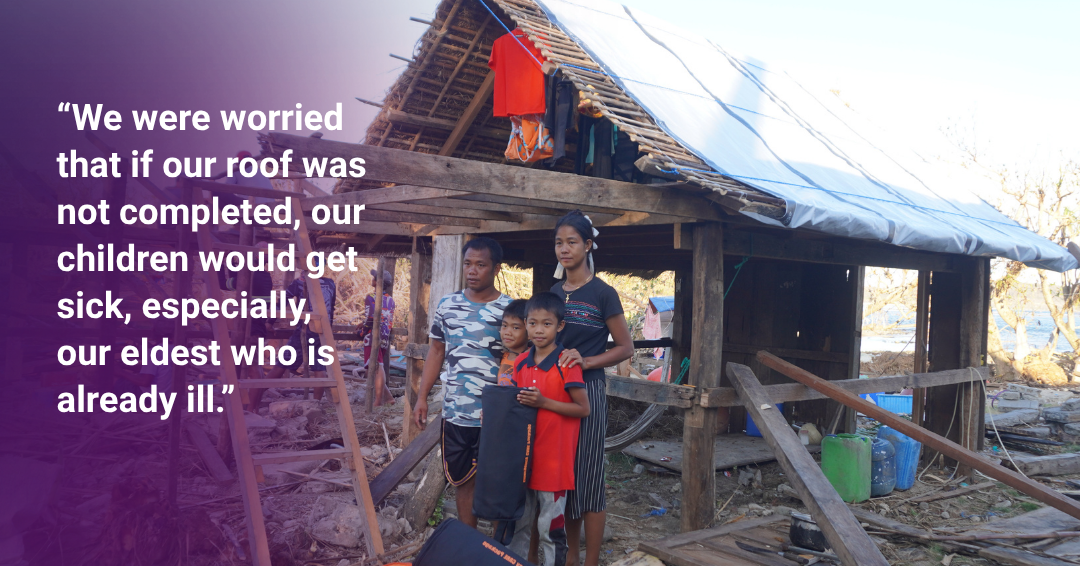
Their home was gone, replaced by a ruin of wood and debris. Refusing to surrender, they salvaged what they could to build a shelter for their two sons. They gathered scraps of wood and assembled a frame and walls. But they faced a challenge: the cogon grass used for roofing had been destroyed by the typhoon. Their new roof was only half-complete, a shield that could not protect them.

The nightly vigil began. When the frequent rains fell, the family would huddle in the one dry corner of the shelter. They would sit in the damp darkness and wait for the downpour to stop so they could sleep again.

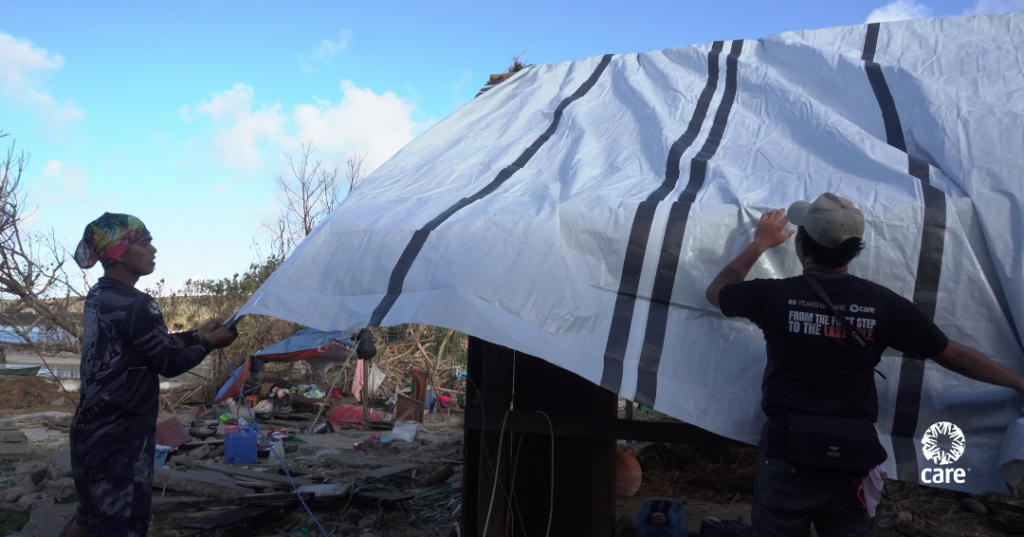
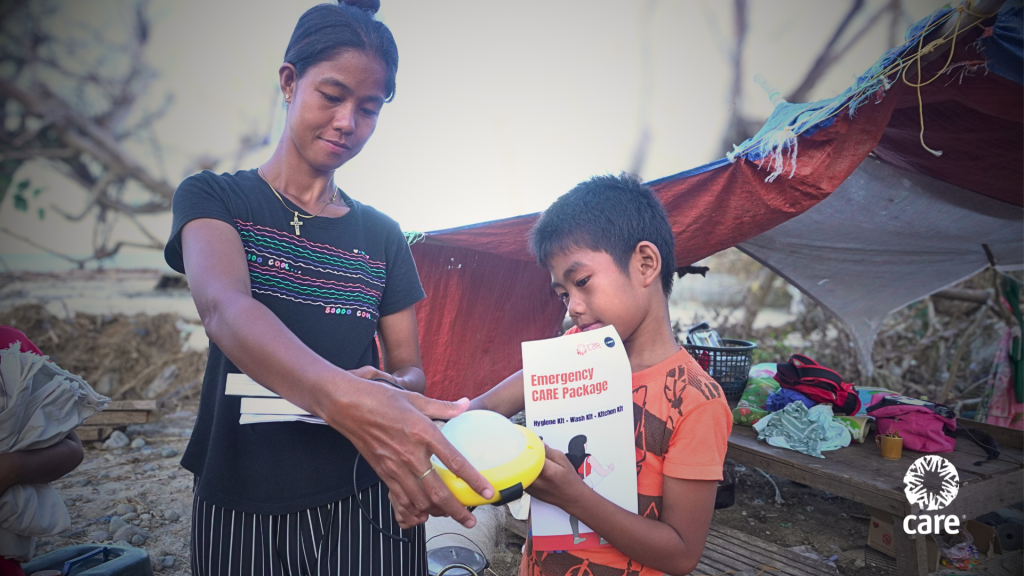
Relief arrived in the form of the Emergency CARE Package (ECP). The 22-kilogram package contained 39 essential items, but for the couple, one stood out: a wide, fire-retardant tarpaulin sheet. It was the answer to their problem.

They worked to stretch the sheet over the gap in their roof and secure it against the wind. That night, as rain began to fall, the sound was different. It was the patter on a secure roof. For the first time since the typhoon, the family did not have to move. They remained on their mats, warm and dry. Their nightly vigil against the rain was over.

“We were worried that if our roof was not completed, our children would get sick, especially, our eldest who is already ill”, Ronie shared.

With their fear conquered, they could look to the future. The tarpaulin provided a crucial, temporary fix; using cash assistance from the government, they now plan to buy galvanized iron (GI) sheets to build a more permanent roof. The vigil had ended, allowing them to shift their focus from surviving the night to rebuilding their days.

The ECP also provided a solar lamp, a cooking stove, and hygiene items. Zeny knew the lamp was vital. “It means our children can still sit down and study their lessons at night,” she said. The vigil had ended, allowing the family to move from surviving the night to rebuilding their days.

Ronie and Zeny’s family was one of 250 households to receive this support. CARE provided the Emergency CARE Packages to Dilam, one of the most affected communities on the island. These items help families reinforce their living spaces and meet their immediate needs, restoring a sense of safety and dignity.

CARE’s work in the wider municipality of Calayan demonstrates a commitment to stand with the hardest-to-reach communities as they begin to rebuild. As we scale up our emergency response to assist multiple communities in crisis, Emergency CARE Packages were also provided to another 250 families in last-mile communities in Cebu affected by the recent 6.9 magnitude earthquake.

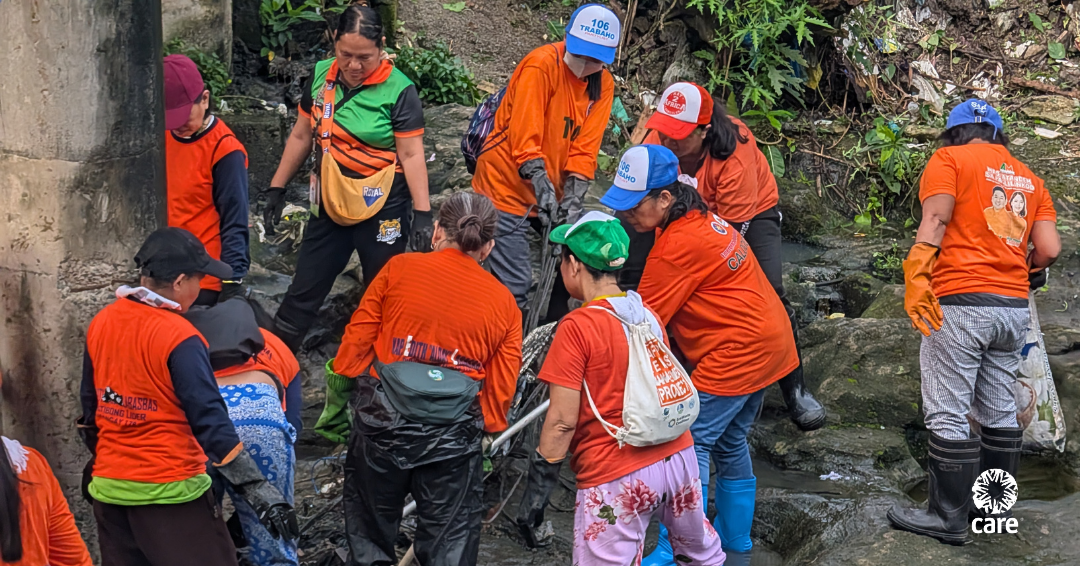
A group of volunteers wearing gloves and holding brooms cleaning a riverside area in Caloocan City

Caloocan communities lead clean-up drives to combat dengue, leptospirosis

With the rainy season increasing the threat of floods in Caloocan, local communities are taking action to protect their health. Recognizing that standing water in flood-prone areas can increase the risk of diseases such as dengue and leptospirosis, residents came together to ensure their neighborhoods were clean and safe.

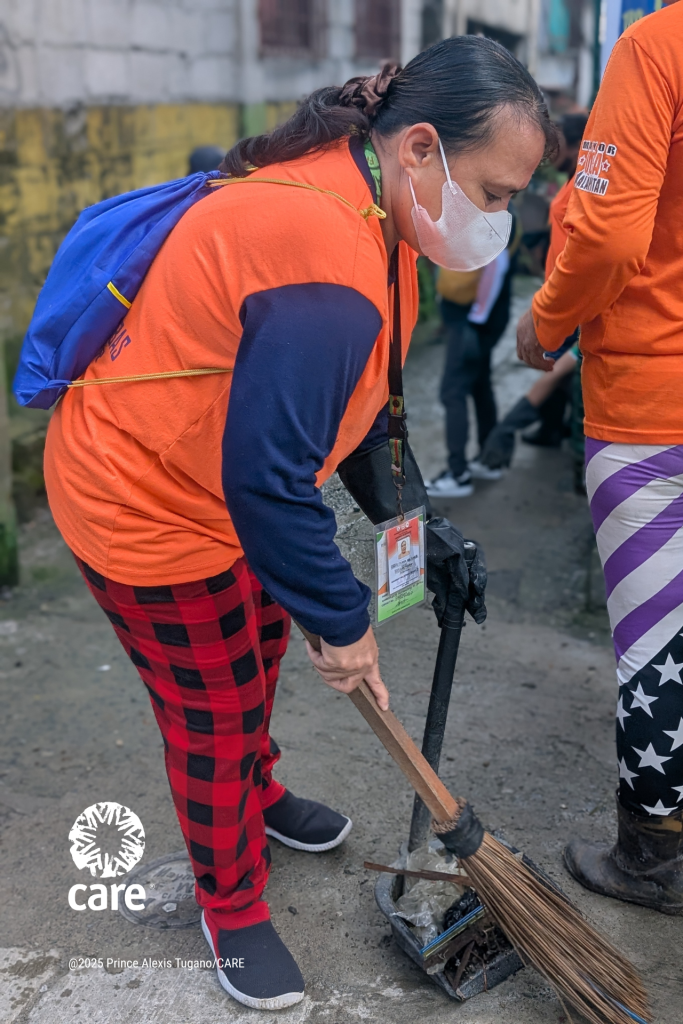
A woman sweeping trash from the street as part of the cleanup drive in Caloocan City

The two-day, community-led effort resulted in cleaner and safer public spaces across two barangays. On August 28, approximately 63 volunteers and residents in Barangay 178 took part, and their dedication inspired more than 50 others to join a similar activity in Barangay 186 the following day.

Photo: A woman volunteers sweeps trash from a street in Caloocan City as part of the clean-up drive.

The community’s initiative was supported by the SHIELD Project, a partnership between Pru Life UK and CARE Philippines. The project team provided cleaning materials such as dustpans, brooms, garbage sacks, and wipes to aid the volunteers’ work. To further promote public health, the team also distributed Information, Education, and Communication (IEC) materials on dengue prevention and provided mosquito repellent to residents.

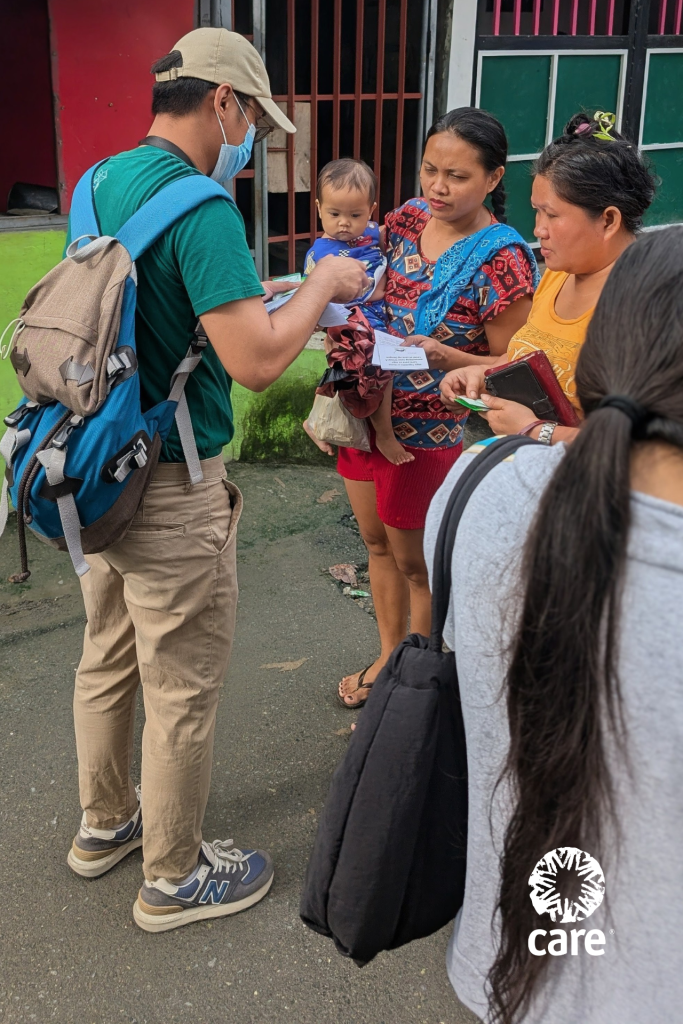
CARE staff partnered with community volunteers to provide residents with information about health risks and prevention.

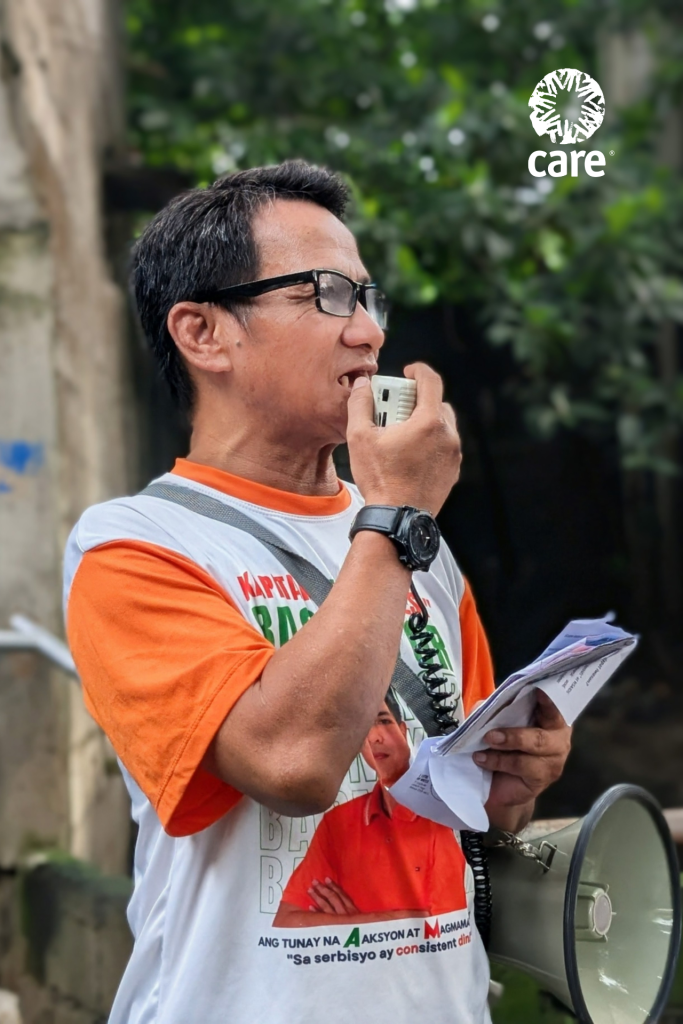
“These clean-up drives are successful because the community is directly involved. When people take ownership of their environment, the results are more lasting,” said Prince Alexis Tugano, CARE’s project health officer with the SHIELD Project. “We are also grateful for the strong partnership with the local government, whose support is essential in making these activities possible.”

About the SHIELD Project

SHIELD (Sustainable Health Interventions for Eradicating Leptospirosis and Dengue) is a project of Pru Life UK and CARE Philippines, funded by the Prudence Foundation through the Climate and Health Resilience Fund.

“We Built It Piece by Piece”: After the Typhoon, a Family Builds a Safer Future

For Imelda, life in Panganiban, Catanduanes, is tied to the sea and the soil. Located directly in the country’s typhoon belt facing the Pacific Ocean, the province is known for its “howling winds” brought by typhoons. For residents, this means life is a constant balance between the calm seasons of work and the ever-present threat of the next storm.

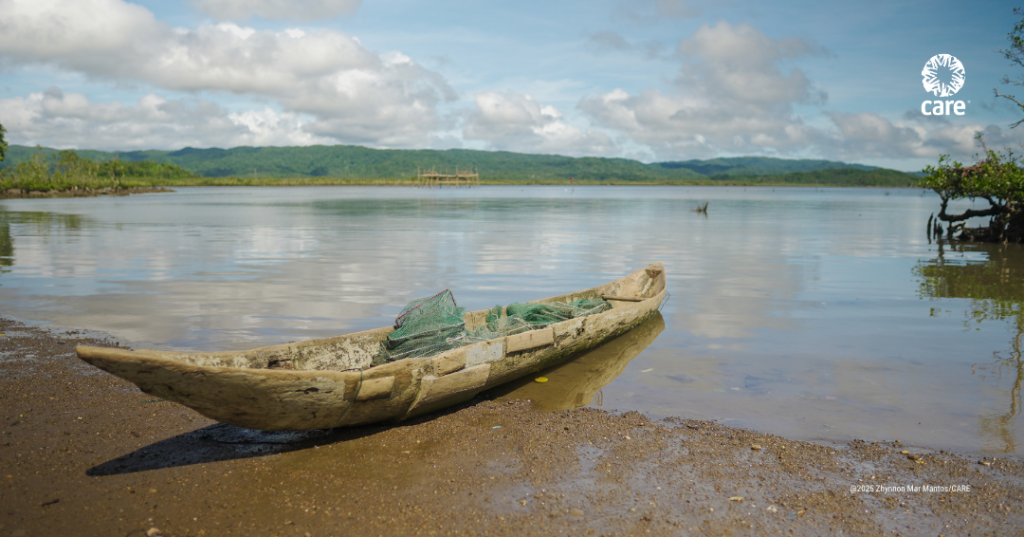
Photo: The shores of Panganiban in a moment of peace. On days like this, the calm sea is a lifeline, offering a treasured opportunity for work and rebuilding before the next storm.

At 52, Imelda’s days are shaped by the rhythm of the tides and the turn of the seasons as she supports her family through fishing and farm work. Lacking her equipment, she rents fishing gear, her livelihood dependent on both the availability of tools and the temper of the ocean. When the sea is harsh, there is no work and no income.

Imelda shares a home and a responsibility with her sister, Marife. Together, they are part of a close-knit network of relatives—five families who support one another through shared meals and daily challenges. When Typhoon Pepito struck in November 2024, Marife’s children were with them, huddled together as the storm unleashed its fury.

The wind tore at their roof until the entire house collapsed, flattened to the ground around them. The family ran through the storm to the safety of the nearest church. When they returned the next day, only debris remained where their home once stood.

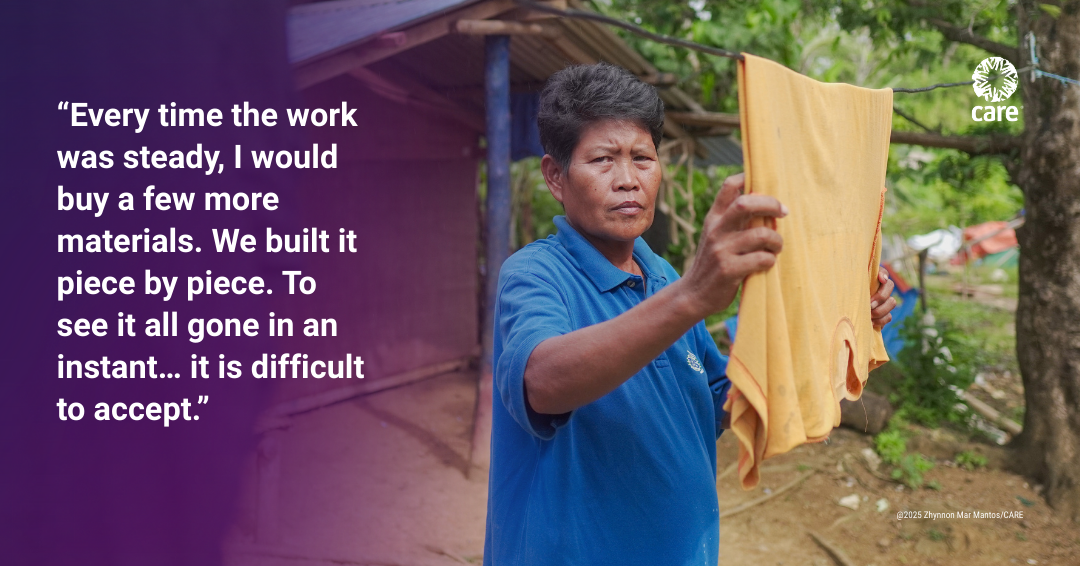
“That was years of our life,” Imelda shared. “Every time the work was steady, I would buy a few more materials. We built it piece by piece. To see it all gone in an instant… it is difficult to accept.”

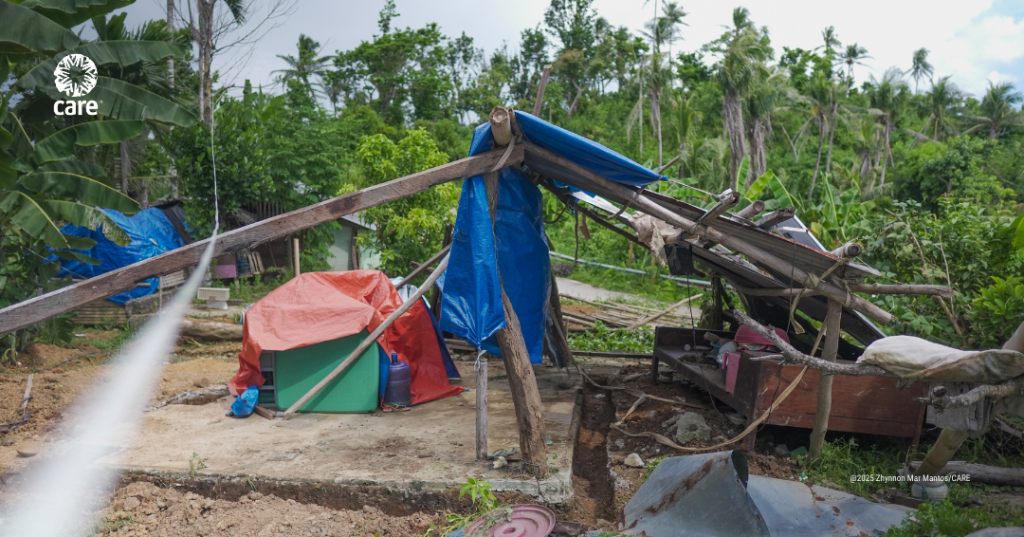
Photo: A powerful reminder of the journey. These are the remains of the temporary shelter Imelda built from scraps after Typhoon Pepito. It was a crucial first step that led to the permanent, sturdier home her family lives in today.

Despite the loss, Imelda took the lead. She organized her family to scavenge for wood and scraps, anything that could be used to build a temporary shelter. A private foundation provided galvanized iron sheets and nails, which they added to their collection of materials. For two months, they lived in the shelter they had constructed, a constant reminder of their loss.

The local government provided cash assistance, which helped them buy food and other immediate necessities. But with her nieces and nephews in school, the money stretched thin. She wanted to return to fishing to help with their education, but the storm had destroyed most of the boats and gear she used to rent. The path to recovery seemed impossibly steep.

With support from the United Nations Central Emergency Response Fund, United Nations International Organization for Migration, and CARE Philippines, she and her sister used the shelter repair kits and cash assistance not just to rebuild, but to build back stronger. They purchased cement and cable wires, investing in a solid foundation designed to withstand future storms.

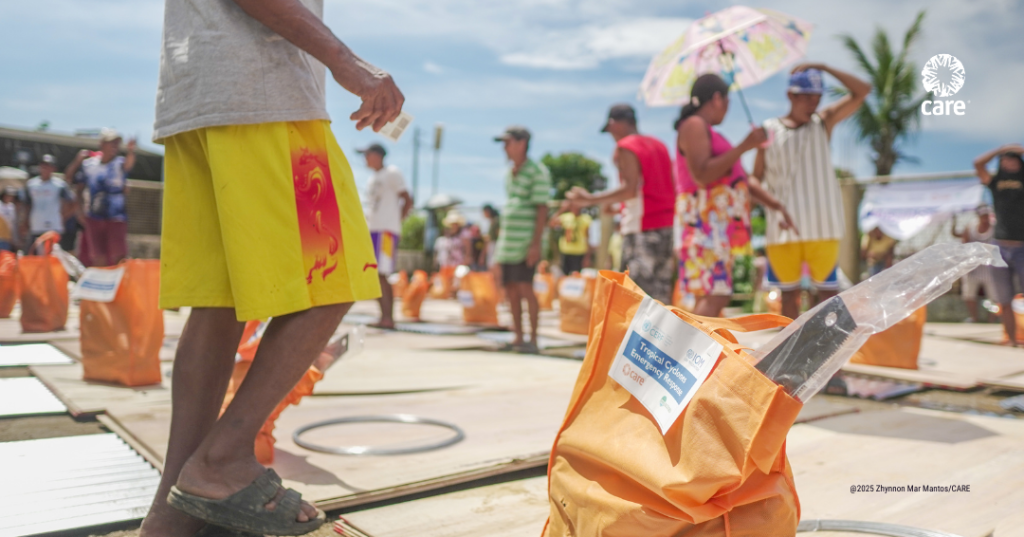
Photos: Shelter repair kits with essential building materials are now in the hands of families working to recover and rebuild their community.

With this, Imelda and her family did more than reconstruct a house; they built a safer home, which is a testament to their resilience and their determination to create a more secure future.

Living on the Edge: Rebuilding Life Where the Sea Took Everything

  • Mary Therese Norbe
  • Disaster Response, Featured Stories, Latest News & Stories

Charmine Rudolfo and Jay Vallestin, both 25, live with their two children in San Antonio, Panganiban, Catanduanes. For six years, they have built a life near the sea. Jay fishes for shrimp and crabs, while Charmine takes care of their children and home.

Living close to the sea has its costs, especially when storms and typhoons strike. When Typhoon Pepito hit, strong winds and rising waves destroyed everything. Their home, made of plywood and thatched nipa leaves, was swept away. “We lost everything to the sea,” Charmine said.

For a month, the family stayed in an unused space in their village leader’s house. They relied on government food support for their daily survival. Jay would go out to sea for hours, hoping to catch enough to feed the family and earn a little income. Sometimes, he would return with nothing. The uncertainty of each day weighed heavily on them.

Photo: Jay shows the juvenile crabs he caught that were packed and ready to be sold to mud crab growers.

Their children still feel scared when it rains heavily. The sound of strong winds or pounding rain brings back memories of the typhoon. As parents, Charmine and Jay find this heartbreaking. They want their children to feel safe again.

Determined to rebuild, they borrowed money to buy lumber and hire a carpenter. Though the interest was high, they took the loan because they had no other option. However, the funds were still not enough. They used scrap GI sheets for walls and gathered sand and pebbles from the shore to create a temporary floor.

When CARE, through the UNCERF-funded emergency response, arrived in their community, they assessed the damages and the needs of the most affected people. Charmine and Jay’s family qualified for shelter repair kits and multi-purpose cash assistance. These resources gave them the support they needed to begin rebuilding their home with dignity and hope.

With the materials and cash assistance, they began rebuilding together. Jay helped the carpenter after fishing trips, and Charmine hauled sand and gravel.

“We worked together to save on labor costs,” Charmine said.

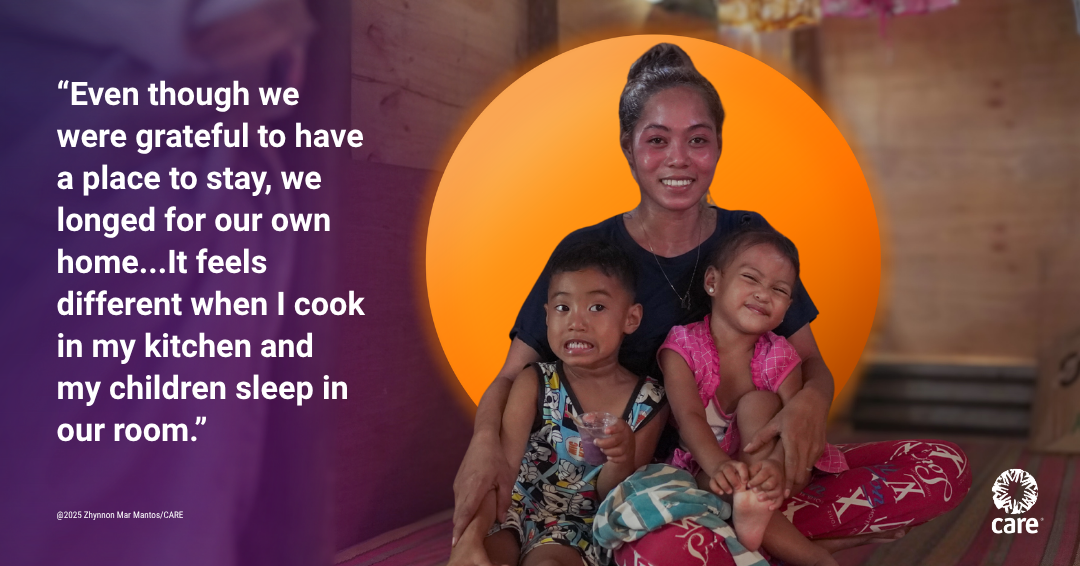
Today, their house is still a work in progress. The walls need to be completed with plywood and properly braced. The floor remains unfinished, but they plan to buy cement to make it sturdier and safer for their children. The kitchen also still needs to be built, so Charmine can once again cook meals in a space of her own. The roof also needs to be reinforced to withstand strong winds. With the rainy season usually beginning in June, they are doing their best to prepare and protect their family.

Photo: Jay readies the crab traps in preparation for another fishing trip while Charmine cleans the catch for selling.

“It is small, but we have big dreams,” Jay said. “We are working hard so we can make it stronger and one day move to a safer place.”

Sharing strength after the storm

At 63 and 64 years old, Linda and Avelino delos Santos have spent their lives working hard in the village of San Rafael, Bagamanoc, Catanduanes. Linda ran a small store from their home. Avelino worked on nearby abaca and coconut farms, fished when he could, and took construction jobs when they were available.

Their income was never steady and depended on the seasons—a challenge that became harder with age. “Our daily life is hard,” Linda said. “We have to stretch every peso just to get by.”

When Typhoon Pepito hit, it destroyed what little security they had. The storm tore off the roof and walls of their home, forcing them to evacuate. They used a tarp as a temporary roof, but it leaked every time it rained. The typhoon also wiped out their sources of income. The farms were destroyed, leaving Avelino without work. The sea offered little fish, and Linda’s customers no longer had money to spend. Food prices in the market rose sharply.

“We couldn’t even afford vegetables—they cost as much as meat,” Linda said.

Relief came when CARE and its local partner, TABI, supported by the Gates Foundation, delivered essential food and household supplies. The impact was immediate.

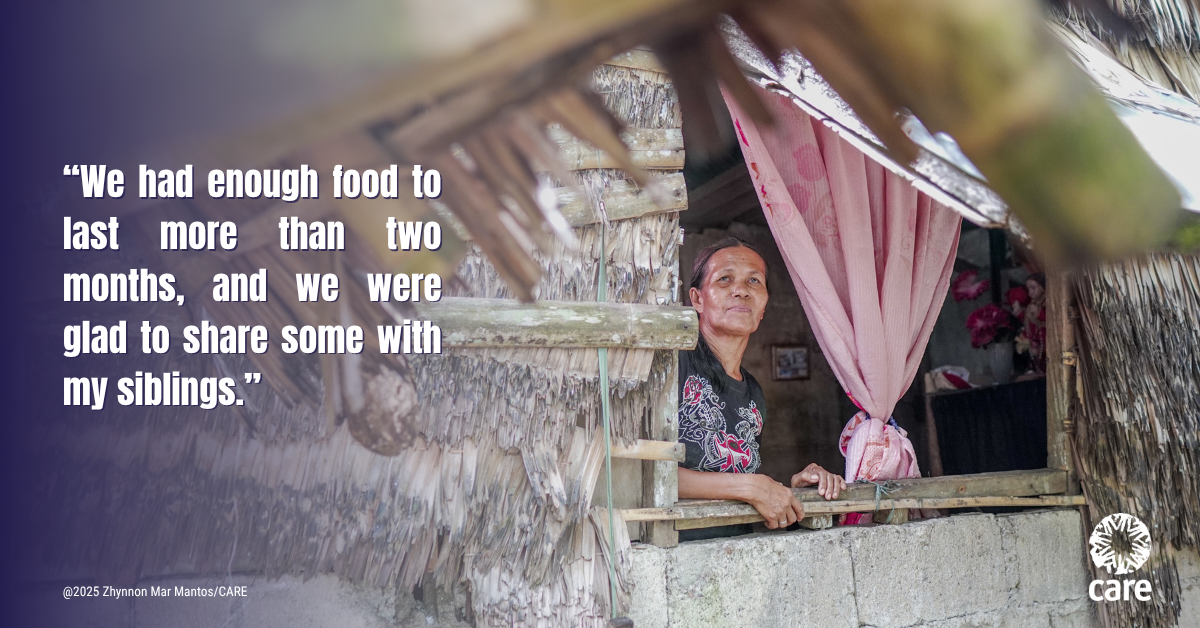
“We had enough food to last more than two months, and we were glad to share some with my siblings,” Linda said.

With food no longer a daily concern, the couple could focus on their health and begin repairing their home.

A family’s strength after the storm

For Ruben and Jonnely Benitez, life in their village in Bagamanoc, Catanduanes, is a rhythm dictated by the seasons. The couple worked hard to build a stable life for their five young children.

During the fishing season, from August to October, Ruben, 34, would dive into the clear waters, his livelihood dependent on the quality of his catch. When the harvest arrived, he turned to the land, processing coconuts for and stripping abaca for fiber. He’d pick up his tools and work as a carpenter if times were lean. His steady hands provided for his family and ensured that there was always food on the table and that their children could attend school.

Their life changed when Typhoon Pepito struck. The storm tore the roof from their home and ruined their belongings. The family took shelter in an evacuation center for a few days. The couple worked together to salvage what tin and other materials they could find to piece their roof back together.

The storm had washed away more than just their home. The coconut and abaca crops were damaged, leaving Ruben without his usual work.

“I also couldn’t go dive fishing,” Ruben recalled. “The water was murky after the storm.”

For two months, the family relied on the local government’s assistance, but the goods they received were often not enough for their family of seven.

The immediate assistance from the Gates Foundation was a big help. They received food and other important household items for cooking and sleeping. This was a great relief for Jonnely, who cooks for the family every day.

Photo: A woman carries food items home to share with her family.

“I cooked nutritious food for my family,” she said. “We had mung beans, dried fish, and eggs. We even had chicken.” She added that her children were glad to eat meat again.

The 75 kilos of rice they received lasted for two months. This help allowed Ruben to focus on finding work. He started earning an income again by helping his neighbors fix their own damaged homes.

“I didn’t have to worry about where our next meal would come from,” Ruben explained. “I focused on earning a living to cover our daily expenses and support our children’s schooling.”

Today, the family is still getting back on its feet. Because their work depends on the seasons, they hope another big storm doesn’t come soon. Ruben and Jonnely continue to work hard to rebuild their life, showing the quiet strength of a family facing an uncertain future.

A Favorite Meal After the Storm

  • Mary Therese Norbe
  • Featured Stories, Food & Nutrition, Latest News & Stories

For Liezel, 33, and her husband, Mark Anthony, 35, life in their village in Pandan, Catanduanes, was built on hard work. As a cook at a nearby resort and a construction worker, they earned a decent income together, enough to provide for their two children.

Their stable life was turned upside down when Typhoon Pepito struck. The storm’s powerful winds tore the roof and walls from their house. With their home destroyed, the family had to stay with Liezel’s sister for over a month.

The typhoon took more than just their home; it took their jobs. It damaged the resort where Liezel worked and halted all construction projects in the area. With no income, the family relied on government food aid to survive. After a month, the resort reopened, but with only Liezel working, the family struggled to afford enough food. Her husband was not able to get back to work until February.

“It was difficult because this was the first time we experienced a typhoon that destroyed our house and stripped our savings,” Liezel said.

The experience also left a lasting impact on her children. “Every time it rains hard, they get scared,” she shared.

In March, CARE and its partner TABI, with support from the Gates Foundation, came to their village with food, kitchen items, and sleeping materials. This support which included 75 kilos of rice and other food items, like chicken, was essential to keep going.

Photo: A family waits for a boat to carry their food, kitchen items and sleeping materials to their village. The food could last a family of five for 2-3 months while they recover their livelihood.

“I saw how my children were smiling from ear to ear, especially when I fried the chicken. It was their favorite meal, even before the typhoon,” she said.

With enough food to last their small family for the next three months, Liezel felt a sense of relief she hadn’t felt in months.

“As a cook, I always worry about my children’s food,” she said. “And I was so happy that they got to eat well again.”

This support provided the stability her family needed to get back on their feet.

Join the fight.
Sign up for our mailing list.