
At Nexus Forum 2026, communities shape how humanitarians rethink aid

On March 25, 2026, representatives from government, civil society, and humanitarian organizations gathered to discuss how to better support communities facing overlapping risks.


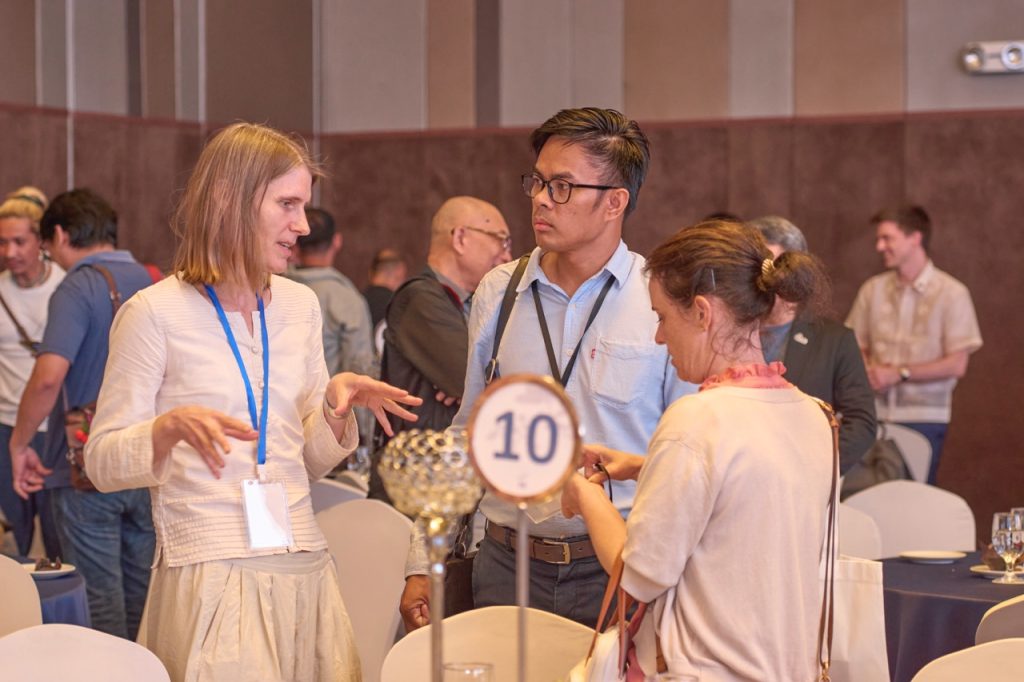

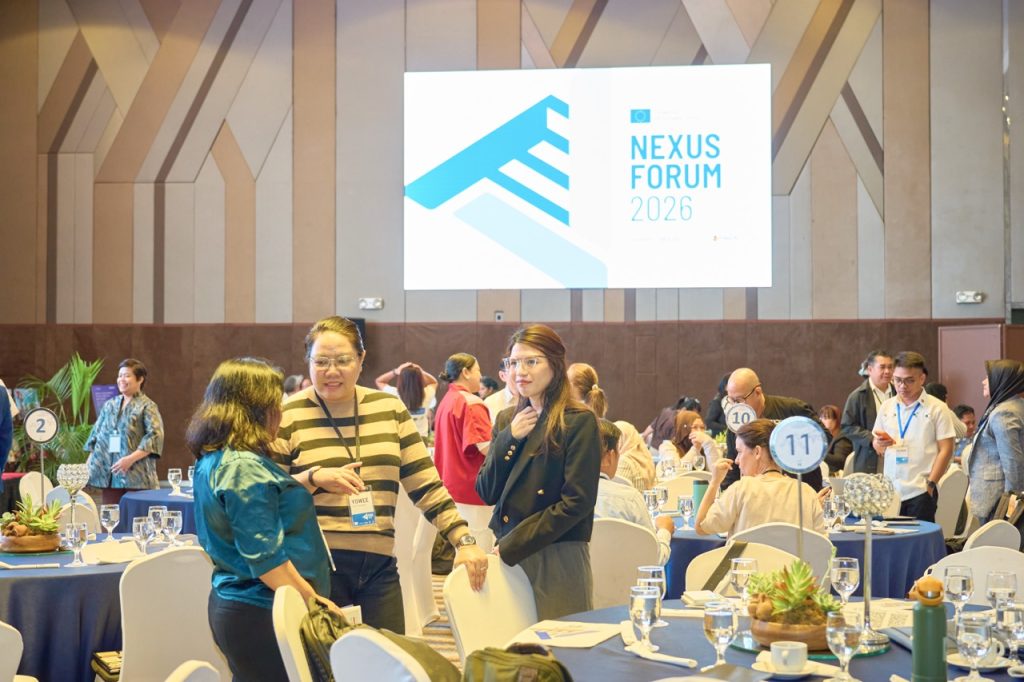
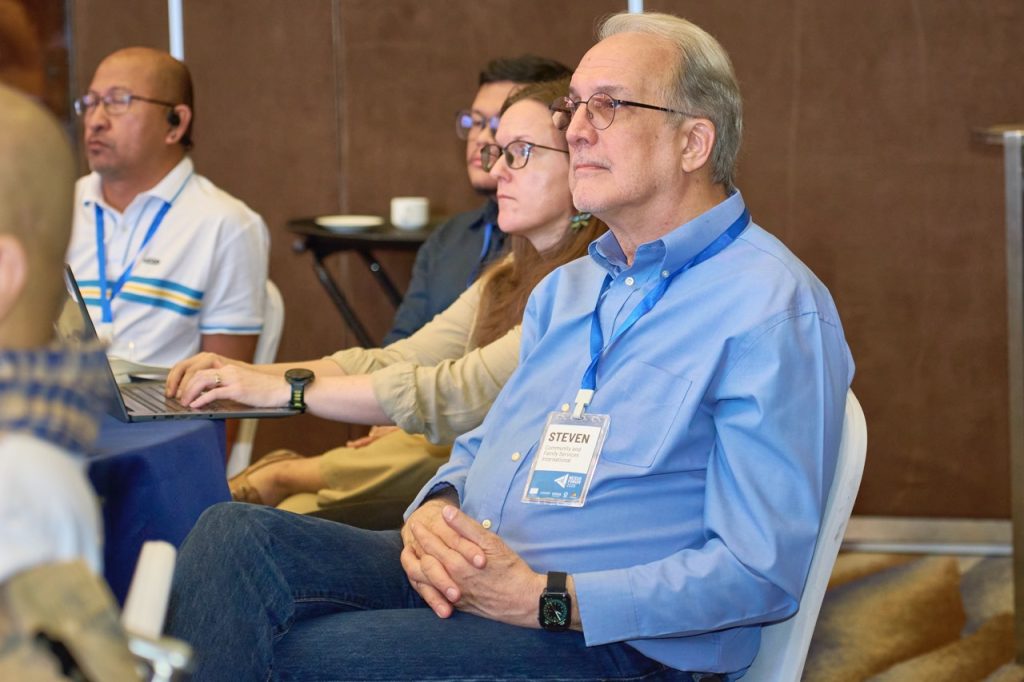
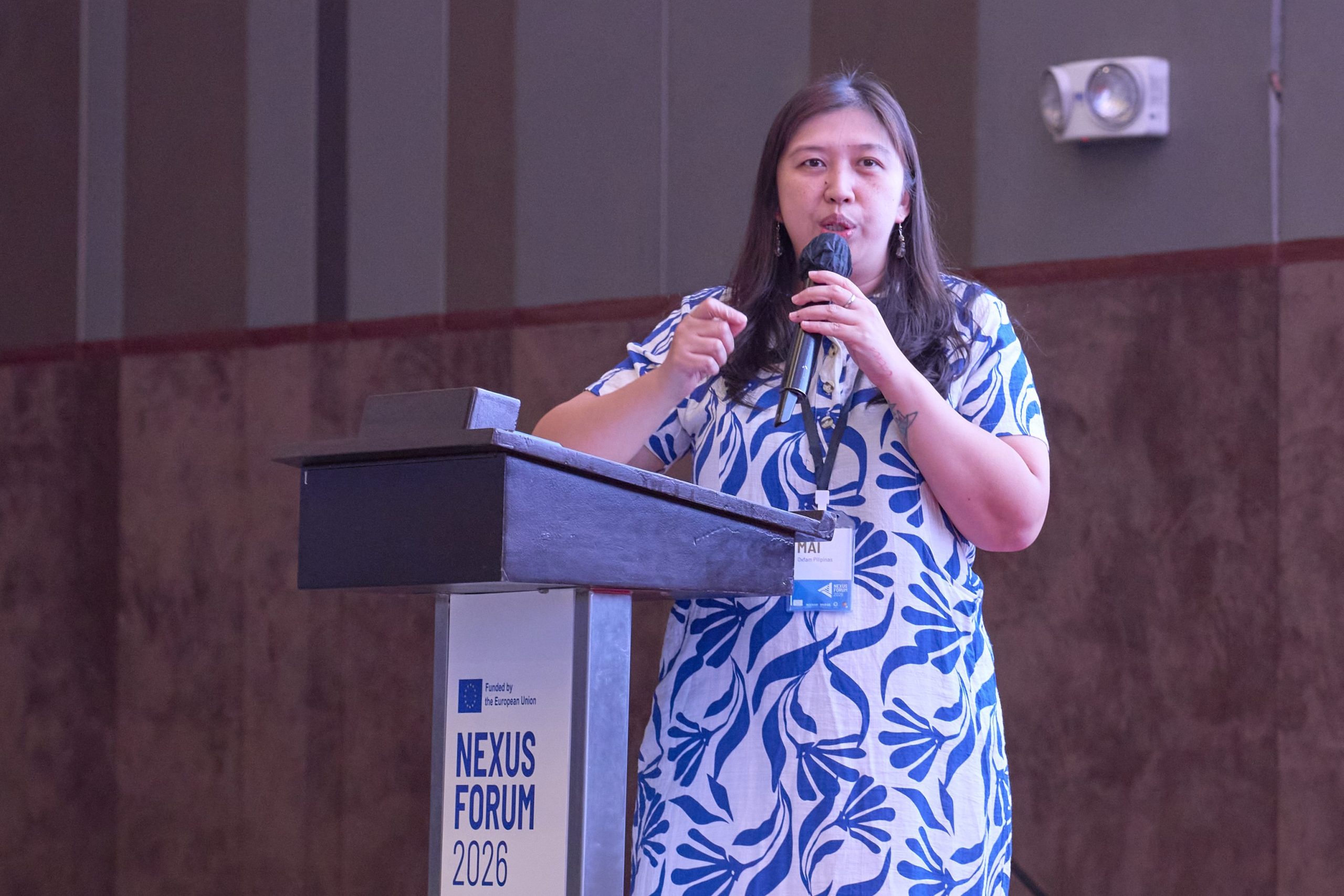
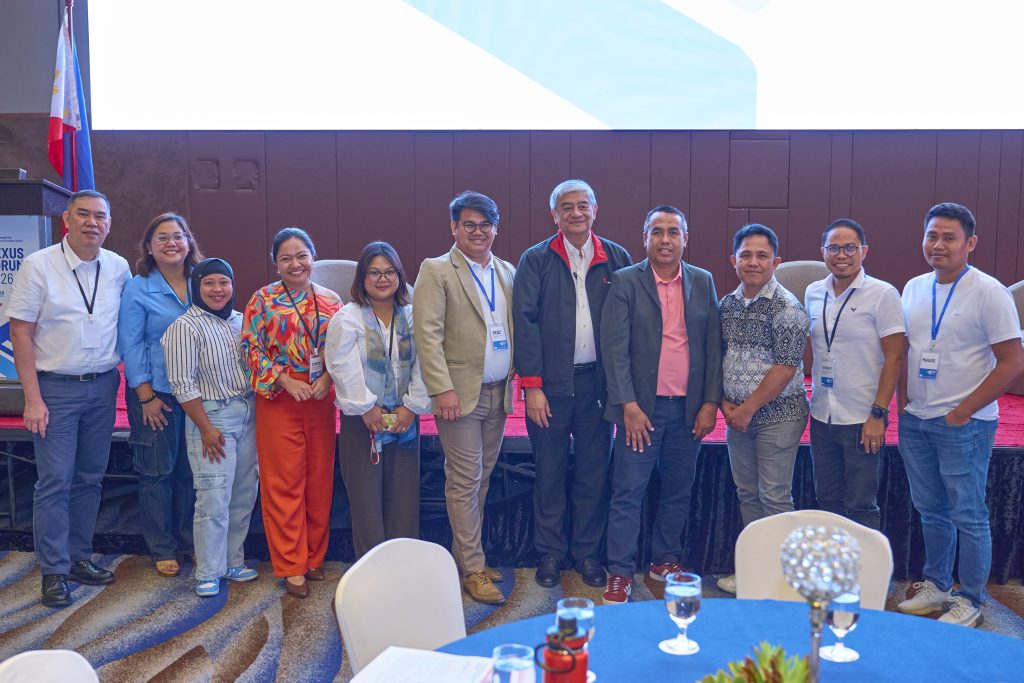
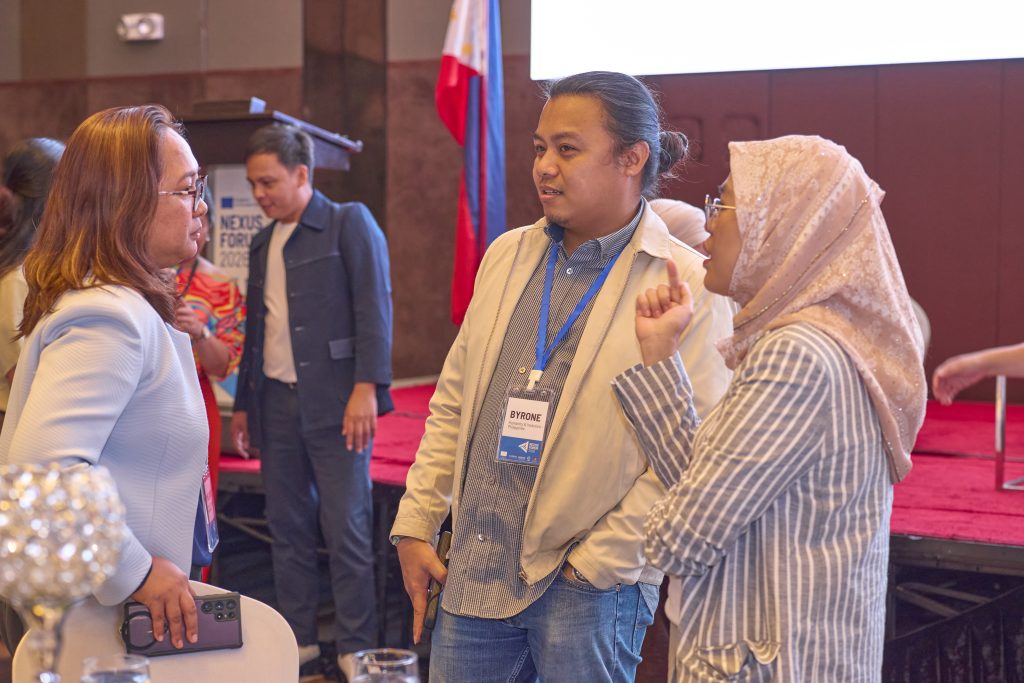
The Philippines faces increasingly frequent, overlapping, complex risks, even as aid budgets tighten globally. To keep up, humanitarians need to move faster and work more closely with each other and the people they serve.
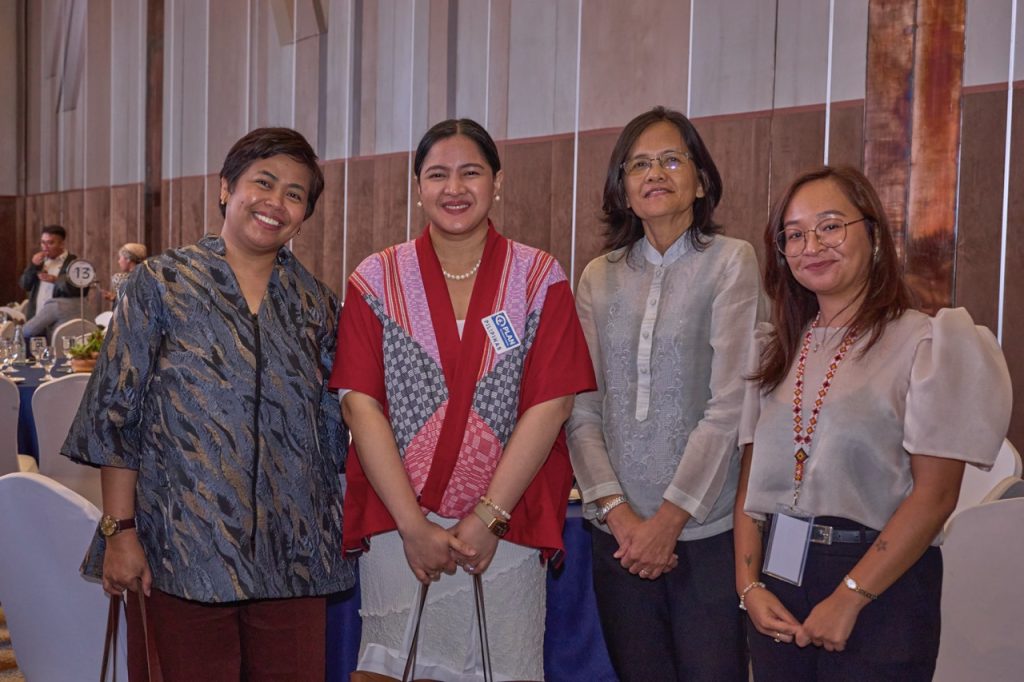
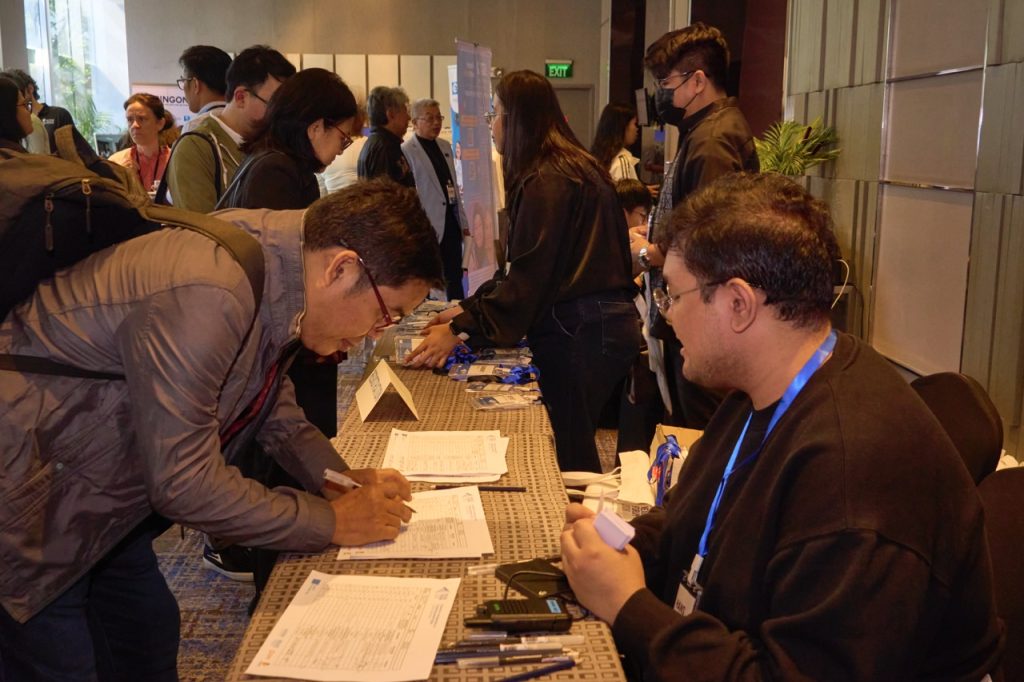
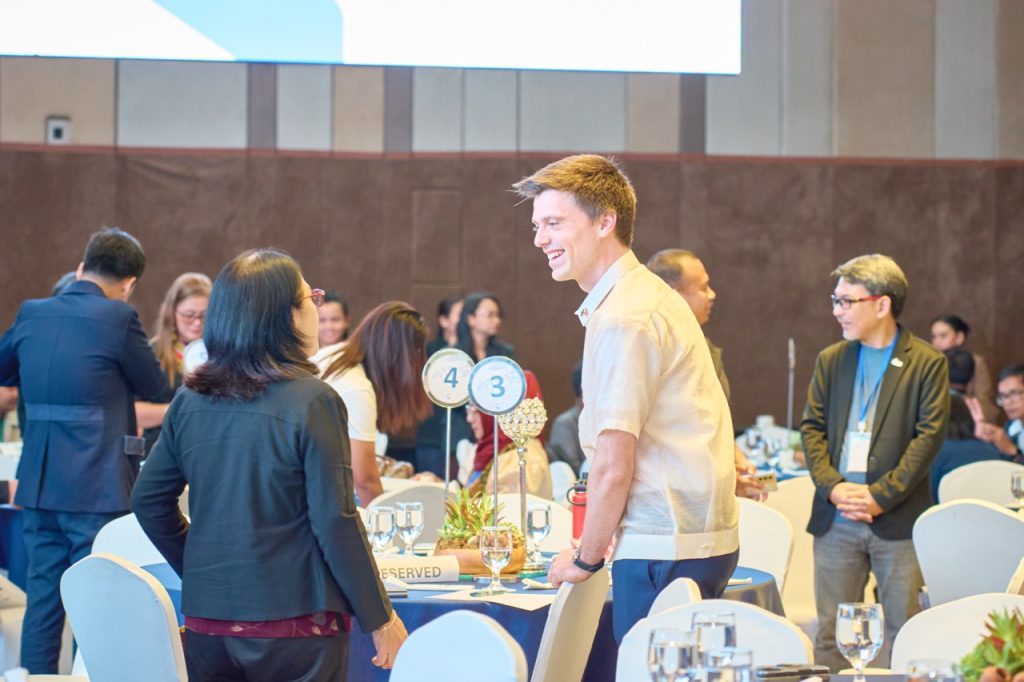
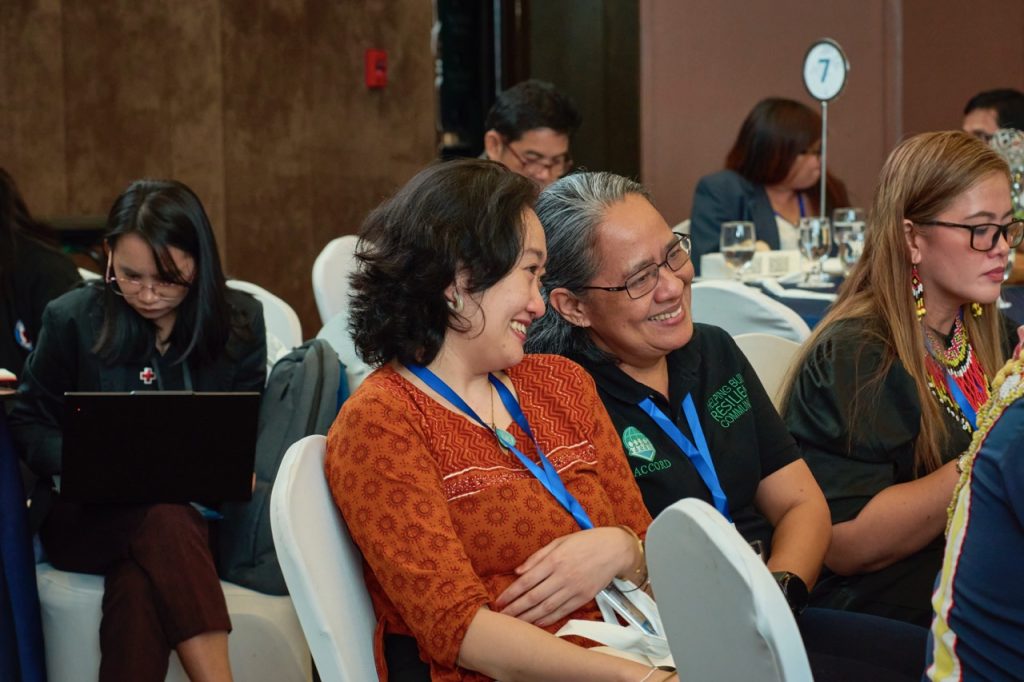
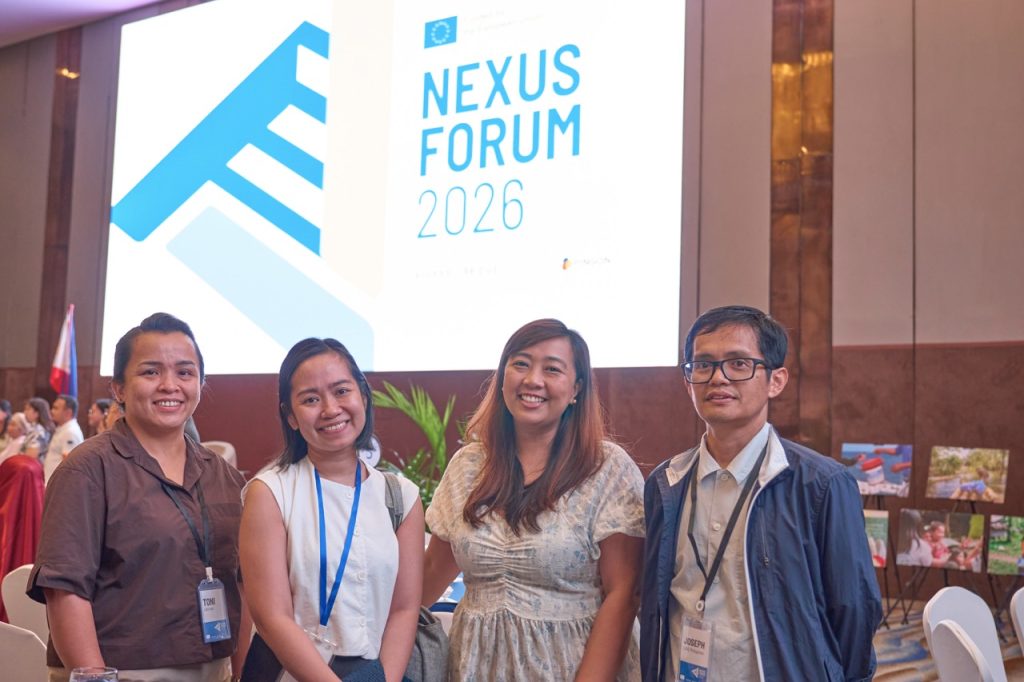
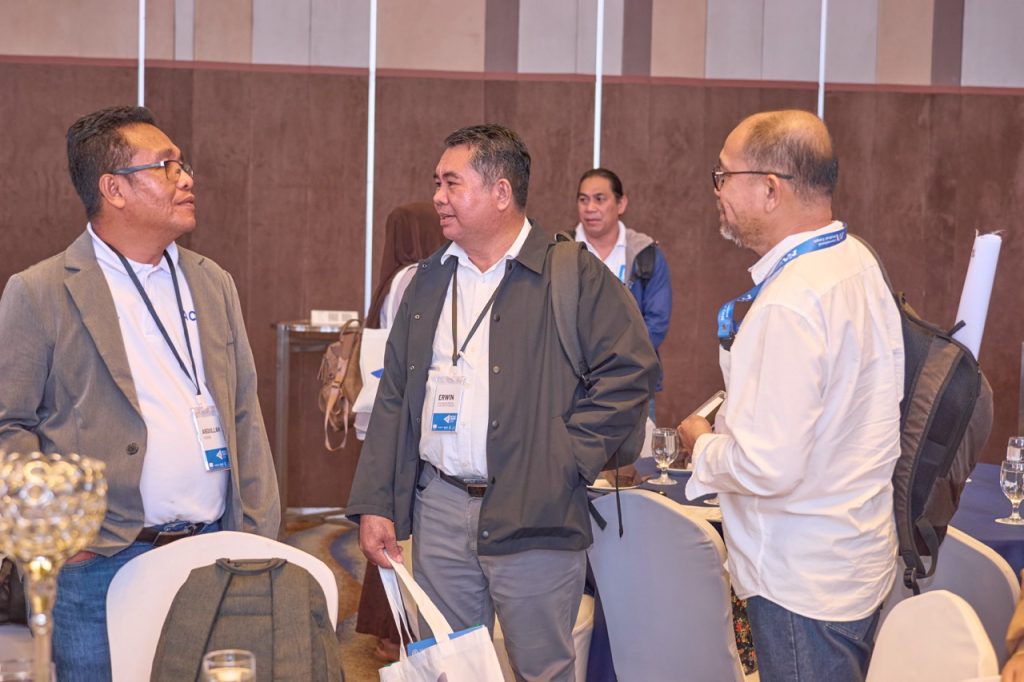
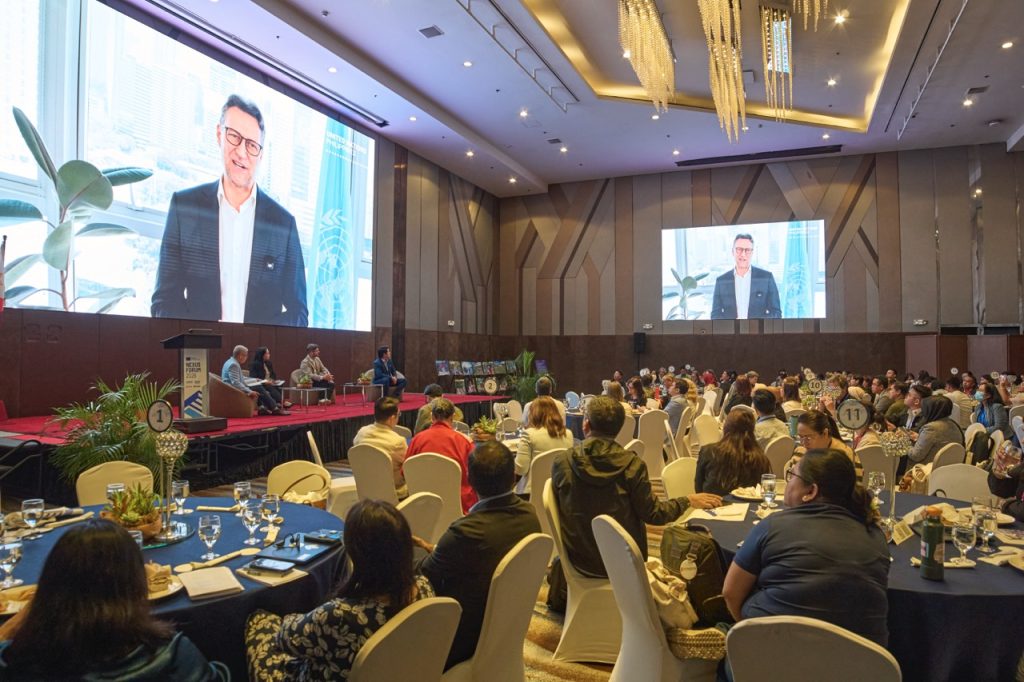
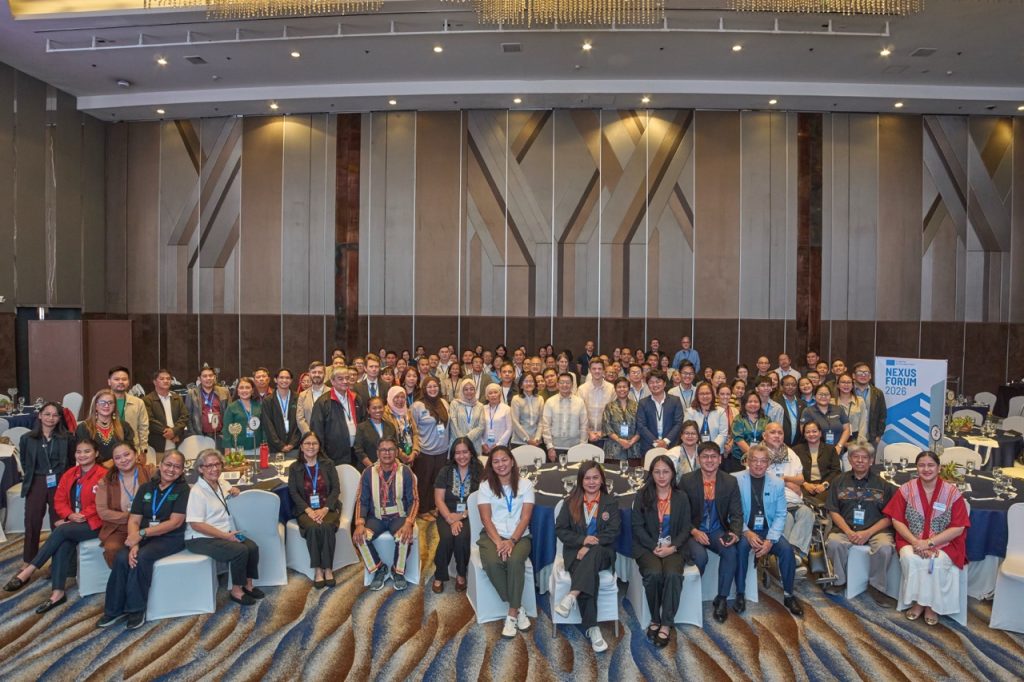
Against this backdrop, the Nexus Forum 2026 gathered more than 150 representatives from government, civil society, humanitarian networks and coordination bodies, technical experts, and the academe to discuss how the country’s humanitarian system can adapt.
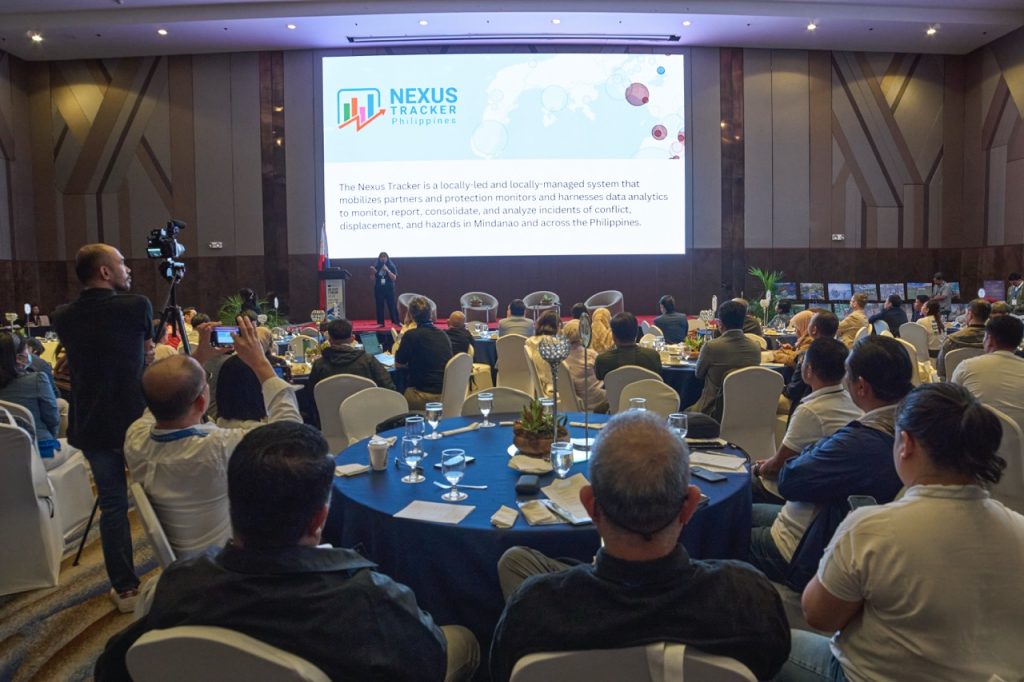
Convened by the organizations behind the EU-funded ACCESS and BRIDGE Projects, together with the Philippine Inclusive NGO Network (PINGON), the March 25, 2026 event featured plenary presentations, panel discussions, the launch of a data analytics platform, and an interactive exhibit space.
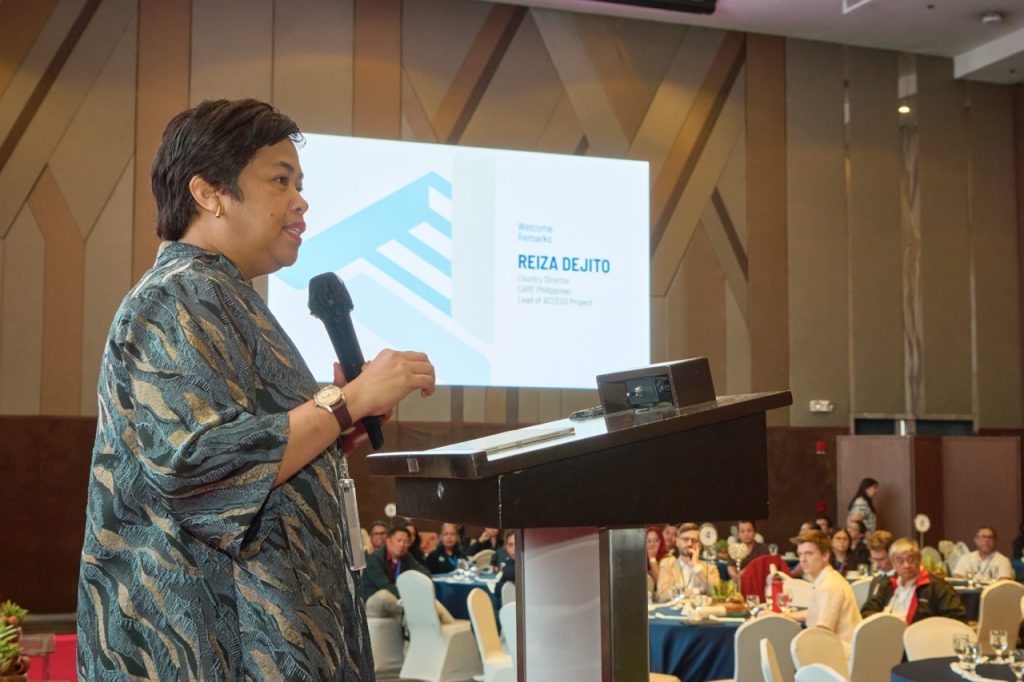
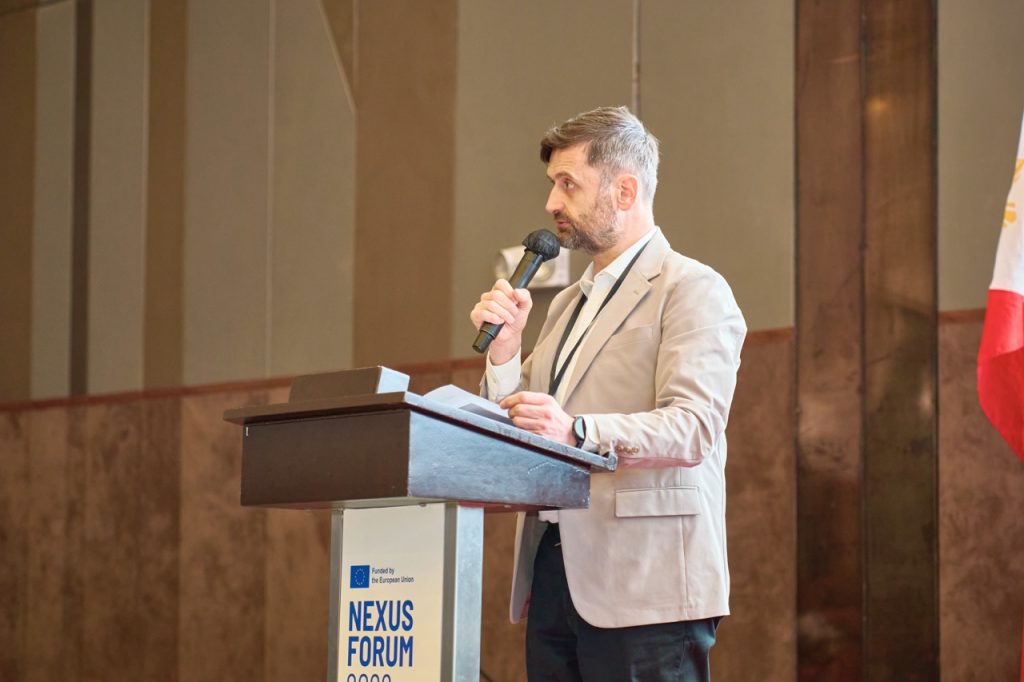
Reiza Dejito, CARE Philippines Country Director, opened the forum with a candid reflection: “The Nexus Forum is not a celebration or a showcase. It is a reckoning. It is a deliberate, honest, overdue conversation about whether the way we work is good enough for people depending on it. And if we are being honest, the answer is ‘not yet.’”
Global shifts, local impacts
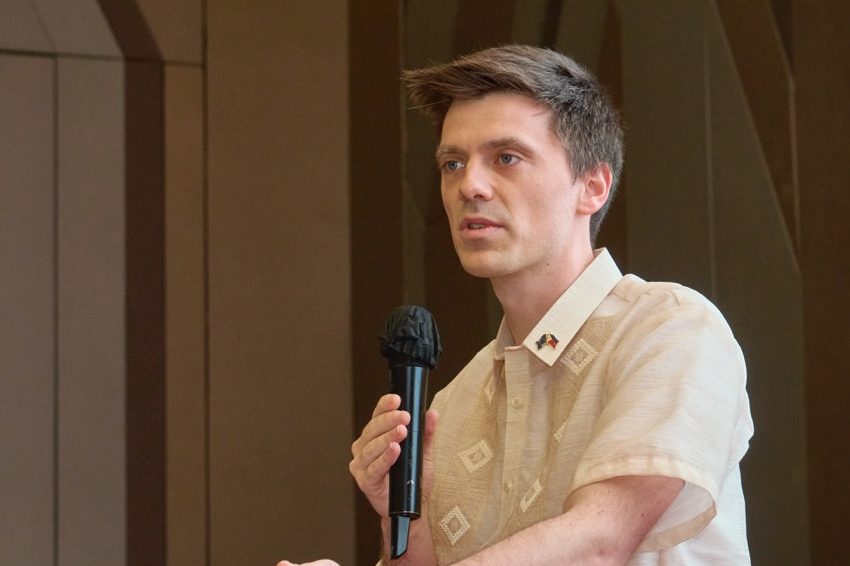
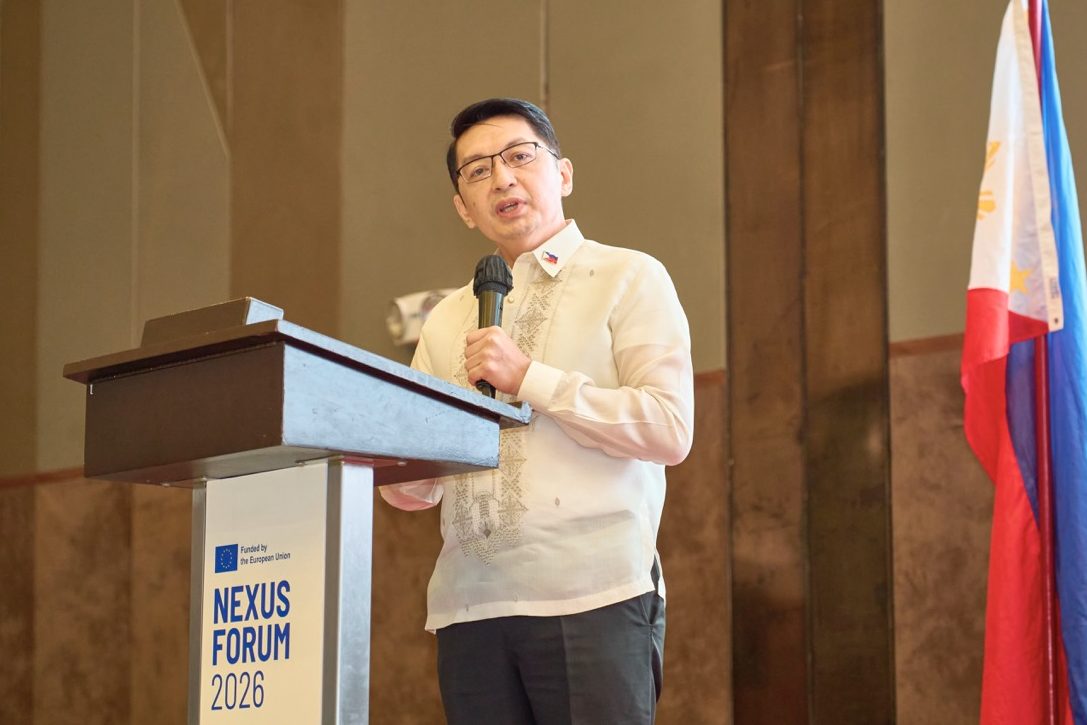
Following a message of solidarity from Théo Prestavoine of EU Humanitarian Aid, Office of Civil Defense spokesperson Emerito Junie Castillo set the stage with a Philippine humanitarian situationer, highlighting how climate extremes and global disruptions make local communities more vulnerable, and why humanitarian response needs to be more locally led and focused on resilience, not just reaction.
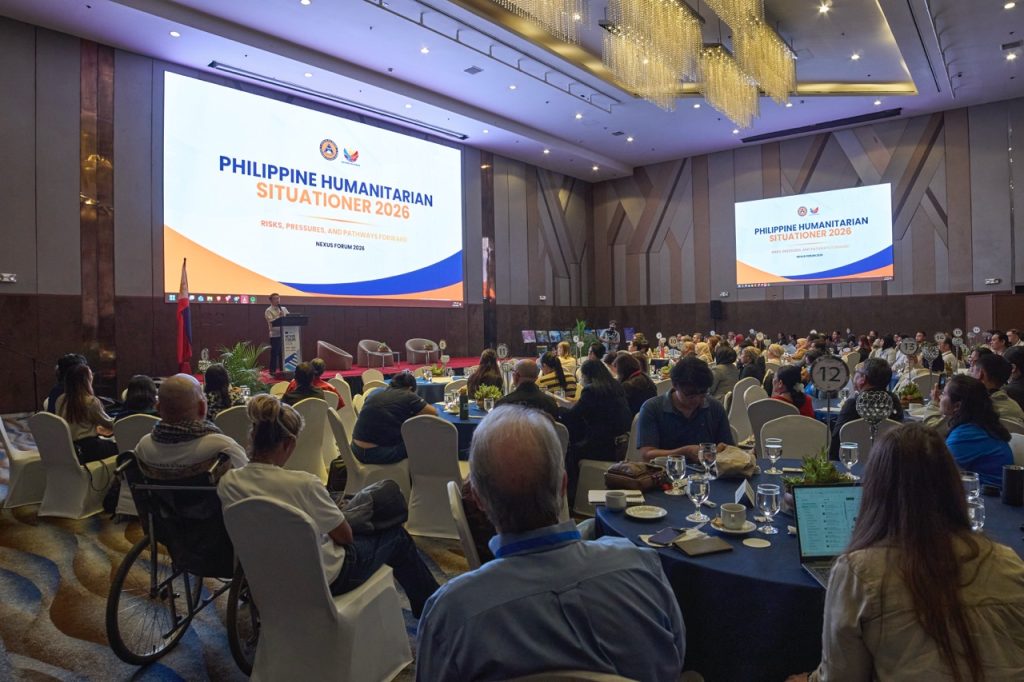
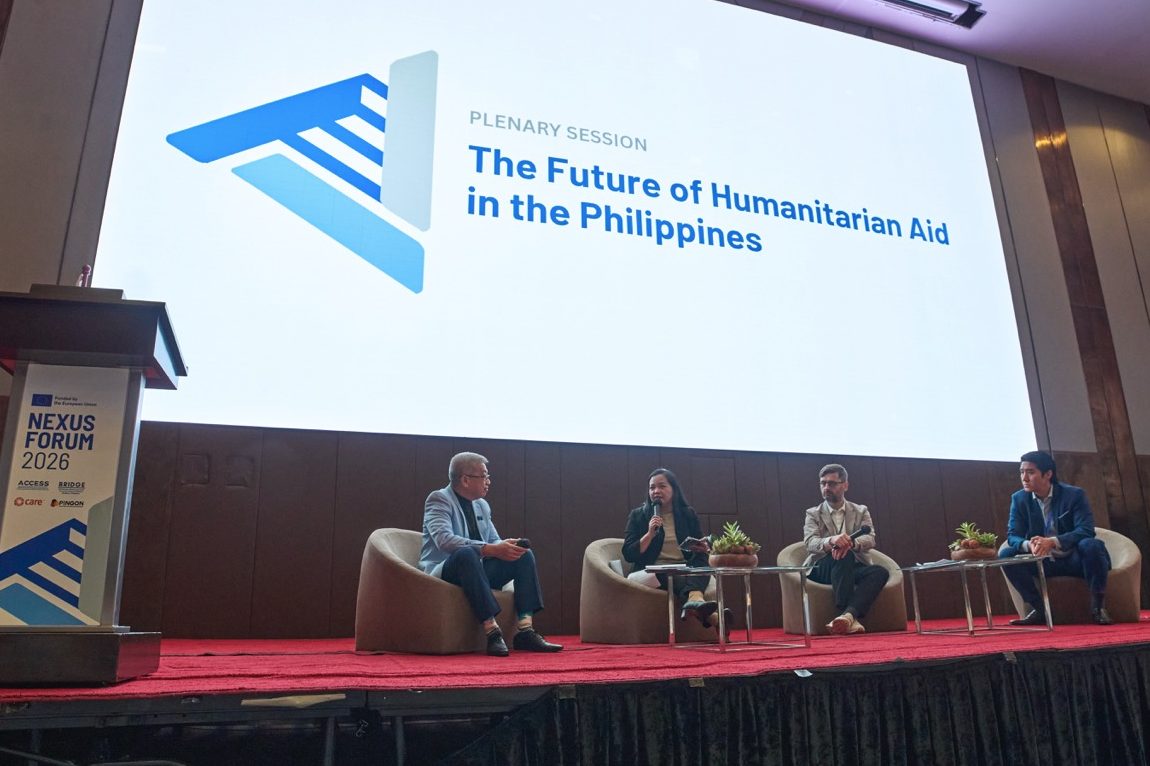
This set the tone for a panel discussion on the future of humanitarian aid, which explored global and regional trends shaping local contexts.
Moderated by DRRM Specialist Juan Blenn Huelgas, the session drew insights from Director Christopher Mathay (Disaster Response Management Bureau – Department of Social Welfare and Development), Arnaud Peral (United Nations Resident Coordinator in the Philippines), Pascal Arthaud (PINGON and People in Need), and Noemi Cabaddu (St. Paul University Philippines – Community Development Center Foundation).
The speakers emphasized three priorities: communities must lead, preparedness needs greater investment, and coordination across actors must improve.

Lessons in coordination, anticipatory action, and peacebuilding
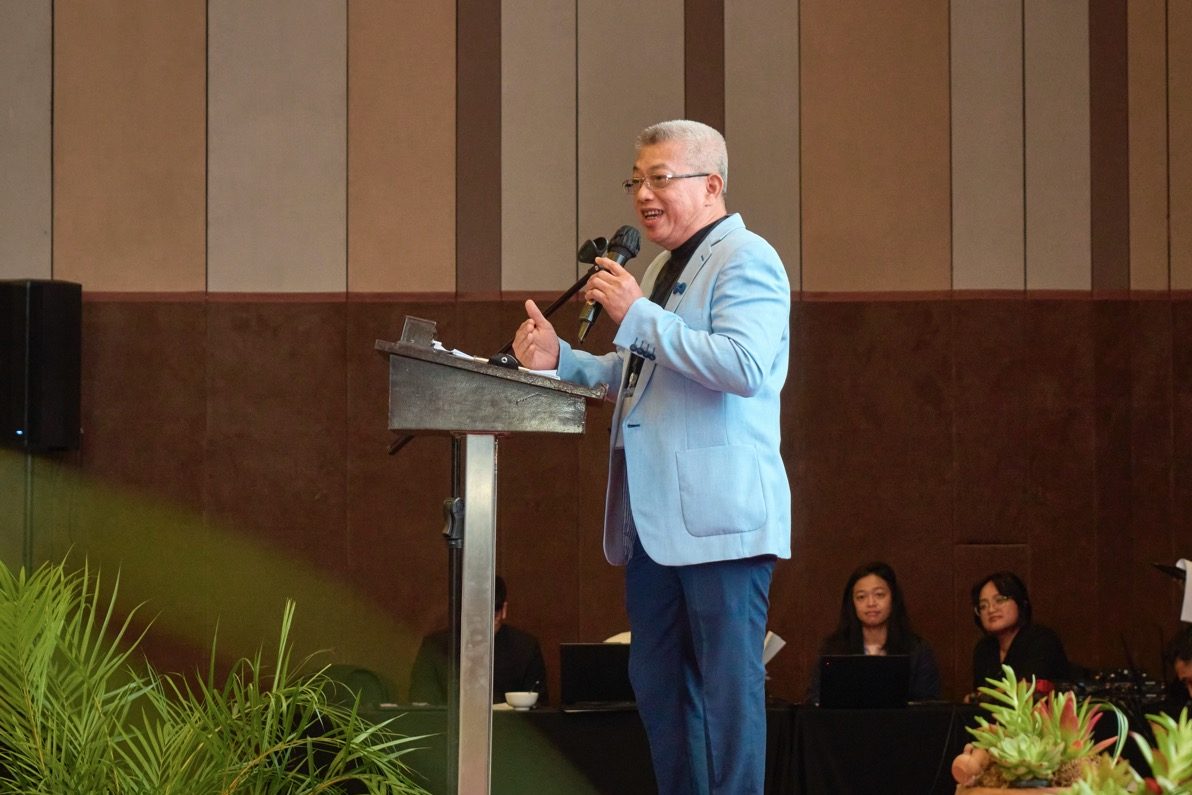
Panel discussions on key topics centered around gaps, challenges, and ways forward.
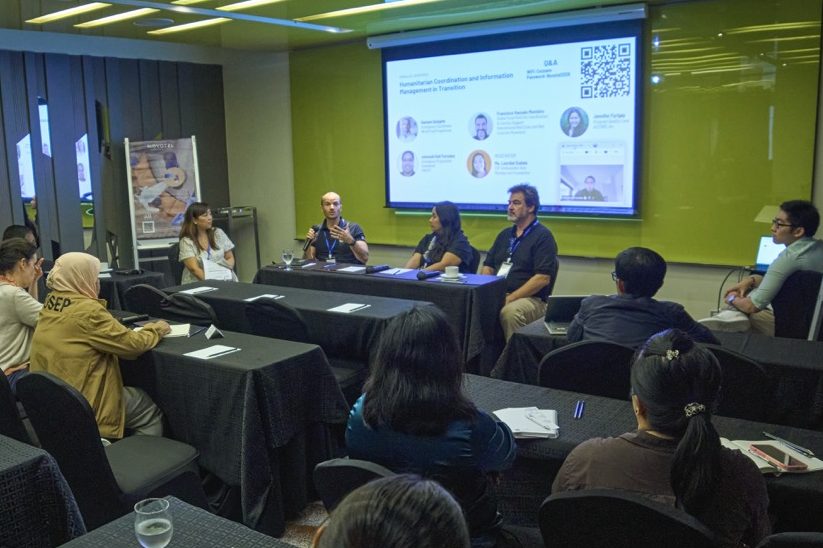
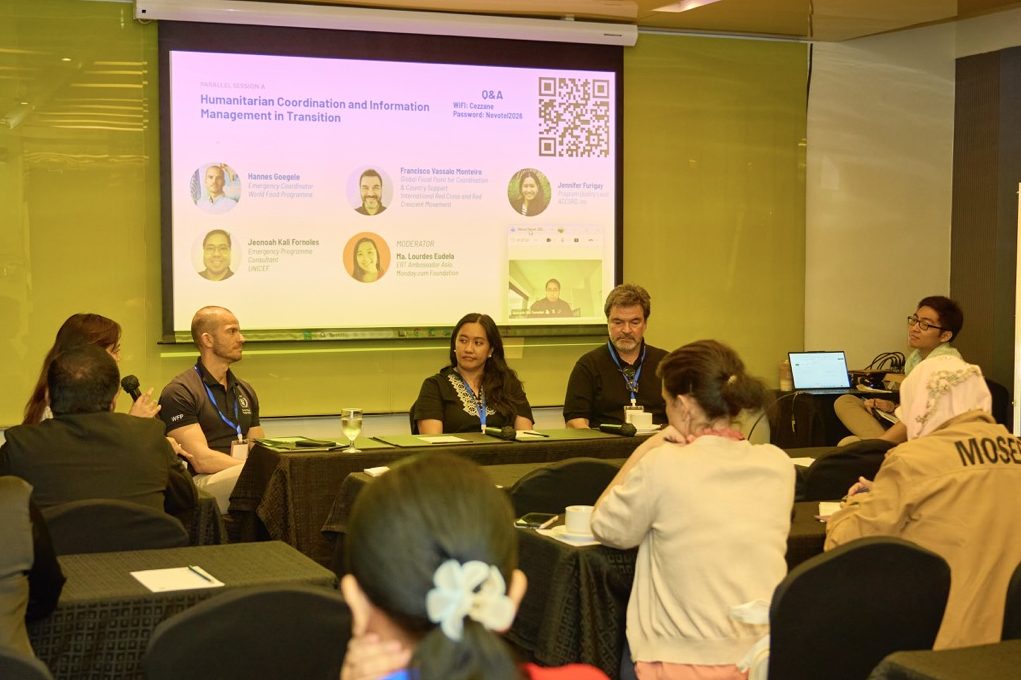
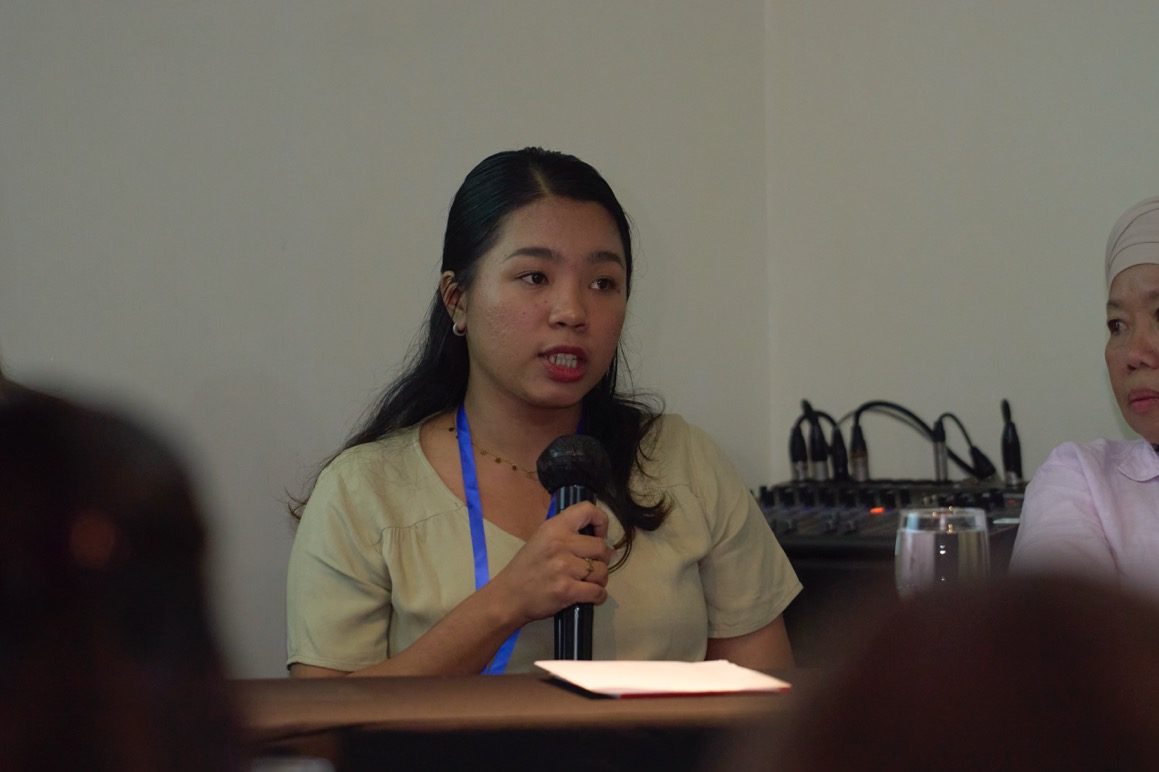
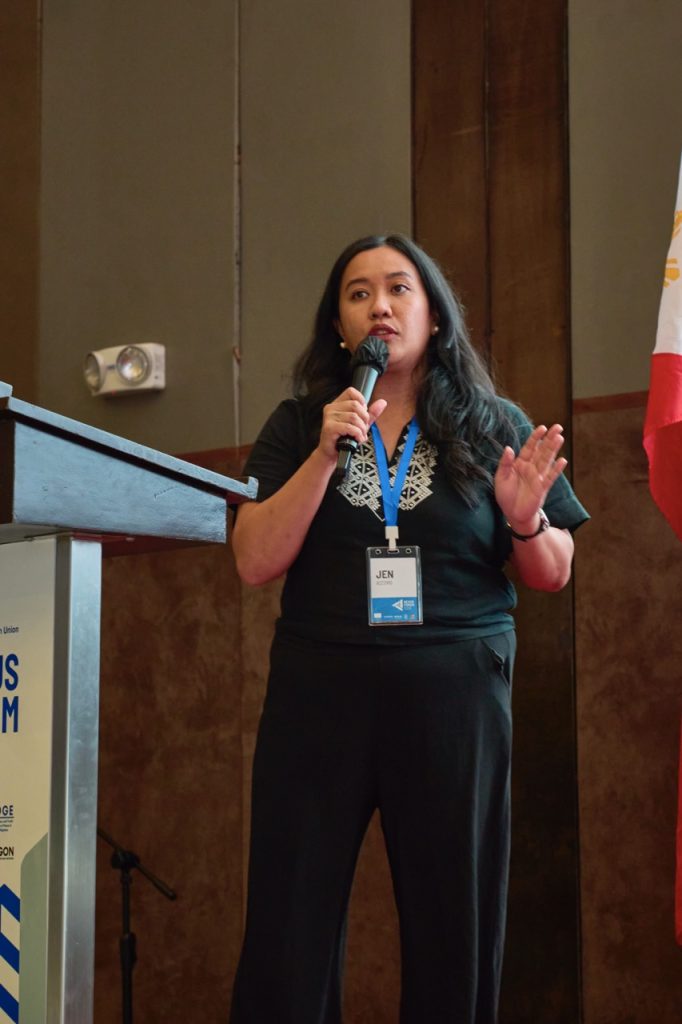
On coordination and information management, Hannes Goegele (World Food Programme), Jeonoah Kali Fornoles (UNICEF), Francisco Vassalo Monteiro (IFRC), Jennifer Furigay (ACCORD), and Ma. Lourdes Eudela (Monday.com Foundation) examined how organizations and systems are adapting to changing risks and coordination mechanisms.
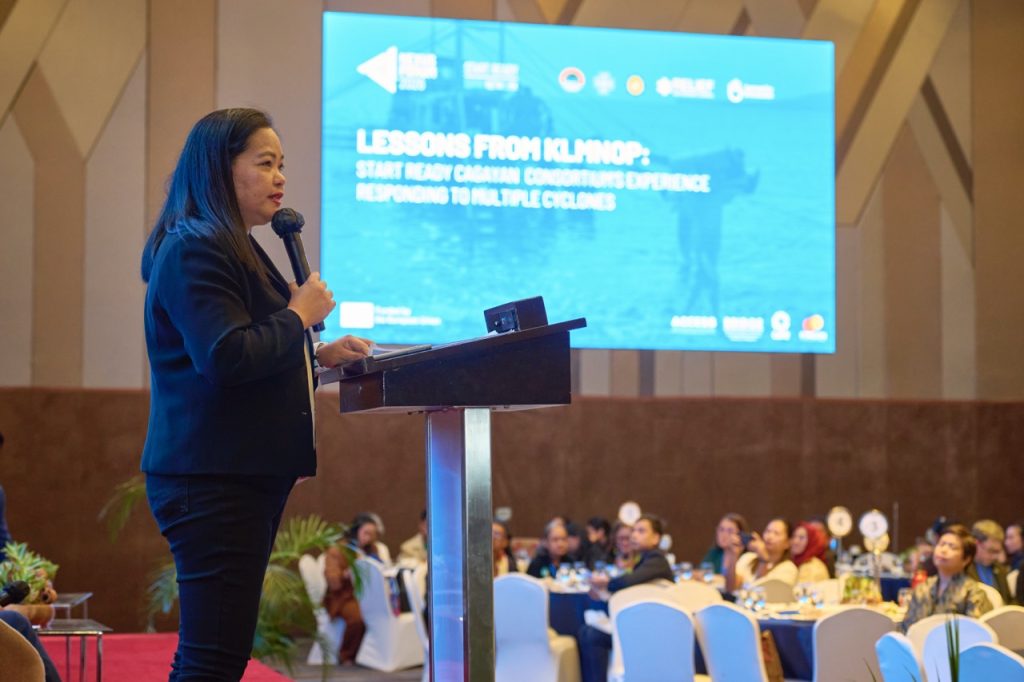
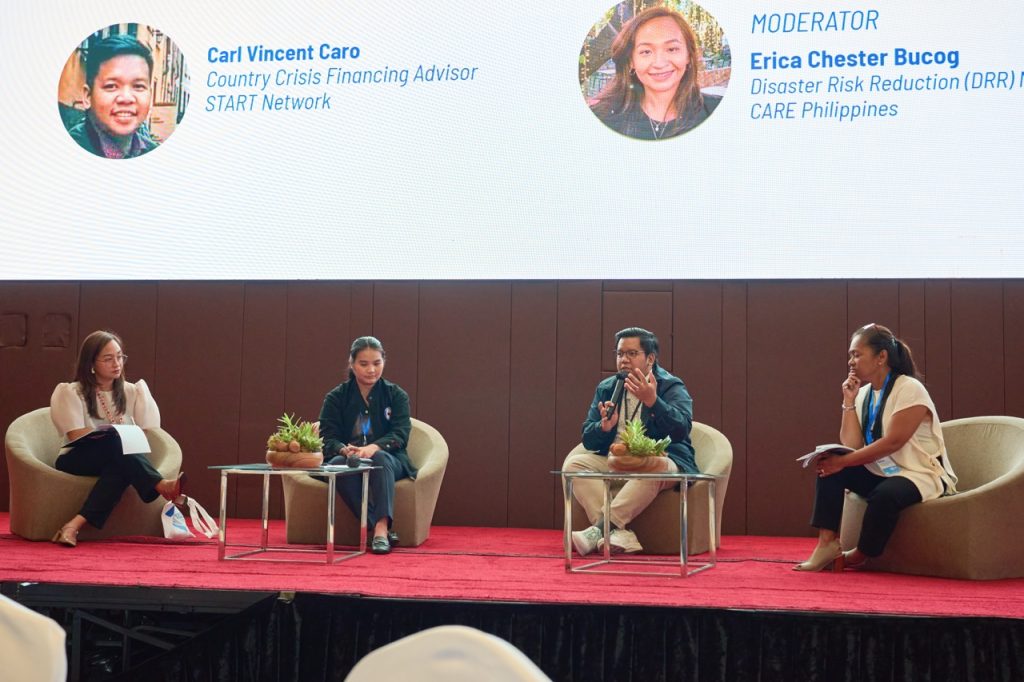
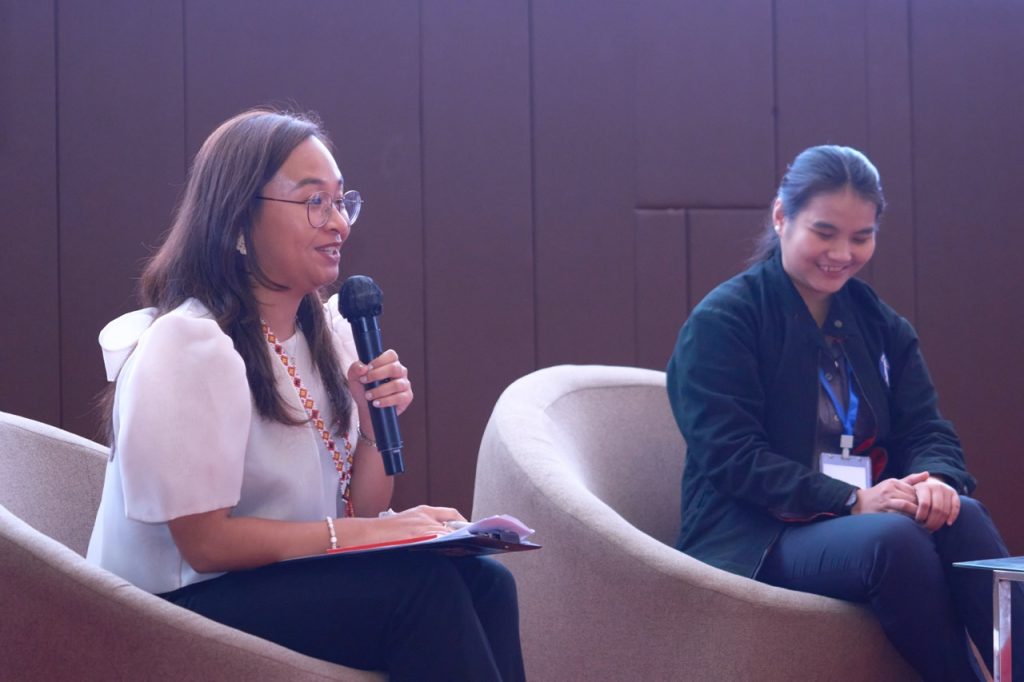
A separate discussion on anticipatory action, with Ruth Honculada-Georget (Food and Agriculture Organization of the United Nations), Criselda Longga (Philippine Red Cross), Arvin Caro (Start Network), and Erica Chester Bucog (CARE Philippines), focused on the realities of turning forecasts into early action, including challenges in data, financing, and coordination.
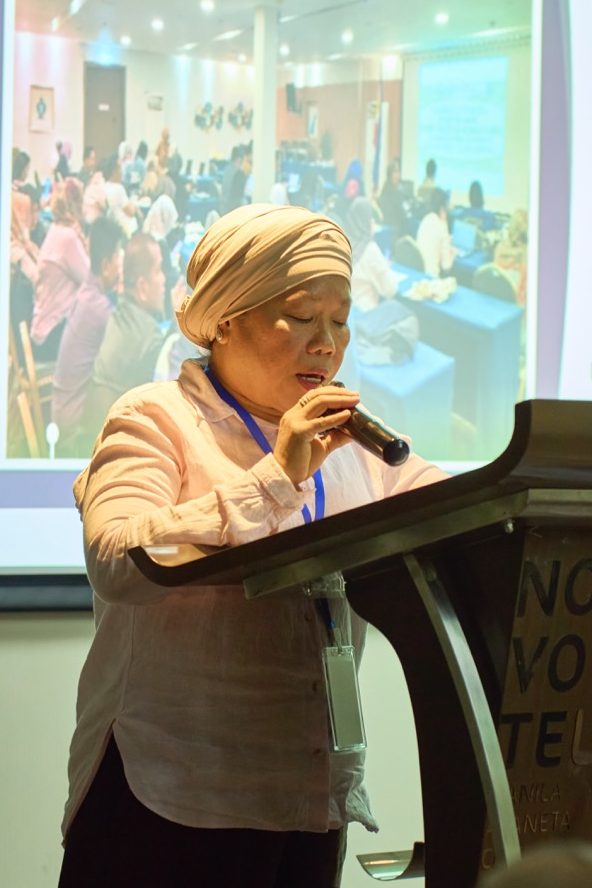
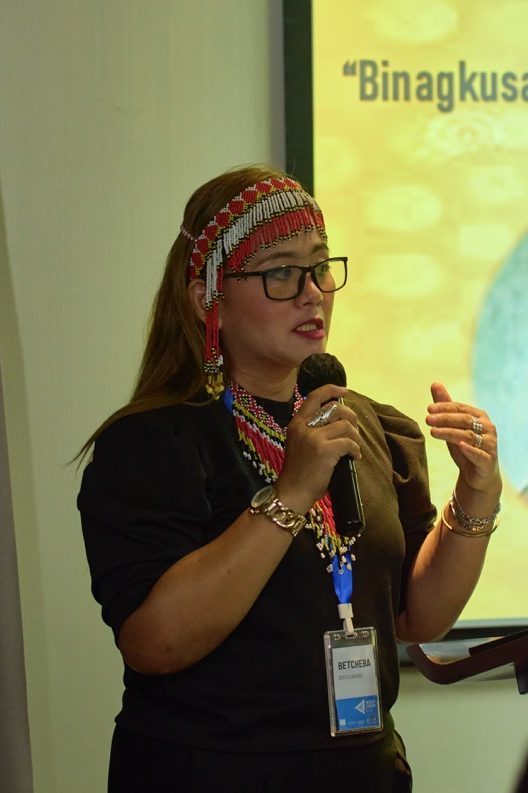
In a session on peacebuilding, Noraida Abo (United Youth of the Philippines – Women), Betcheba Ellorico Prochina (Department of Education, Agusan del Sur), Maricar Tiban (South Upi National High School), and Mai Lagman (Oxfam Pilipinas) shared how indigenous and Bangsamoro communities navigate conflict and natural hazards, and how women, youth, and culture can bridge humanitarian, development, and peace efforts.
Strengthening existing systems
Across all discussions, common challenges emerged:
- Systems struggle to keep pace with increasingly complex and overlapping risks, with data often fragmented and difficult to share and use to make timely decisions
- Preparedness is widely recognized as essential, but remains unevenly resourced and not consistently institutionalized
- Local actors already lead response and recovery efforts, but are not always adequately supported by coordination, financing, and decision-making structures
These point less to a need for new systems, and more to making existing ones work better through stronger coordination, sustained investment in preparedness, and decisions grounded closer to communities.
Launch: Nexus Tracker
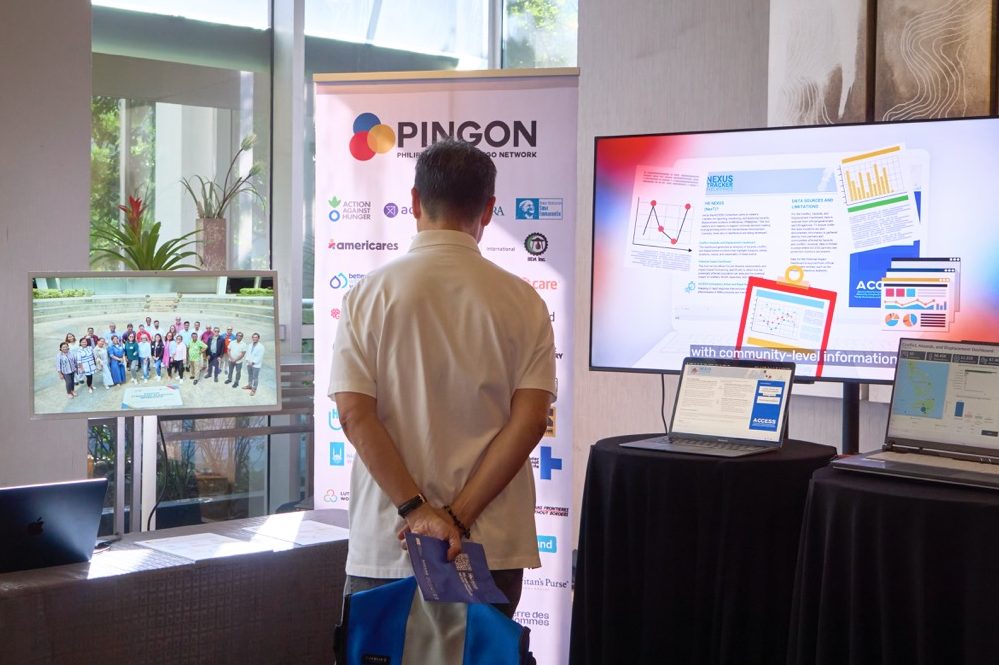
The forum also marked the introduction of the Nexus Tracker, a platform that uses data analytics to understand hazards – such as typhoons, flooding, and conflict – and displacement across the country.
Originally built for use within ACCESS, with ACCORD leading its development, the tool is being shared with the wider humanitarian community to support shared situational awareness and timelier, coordinated interventions.
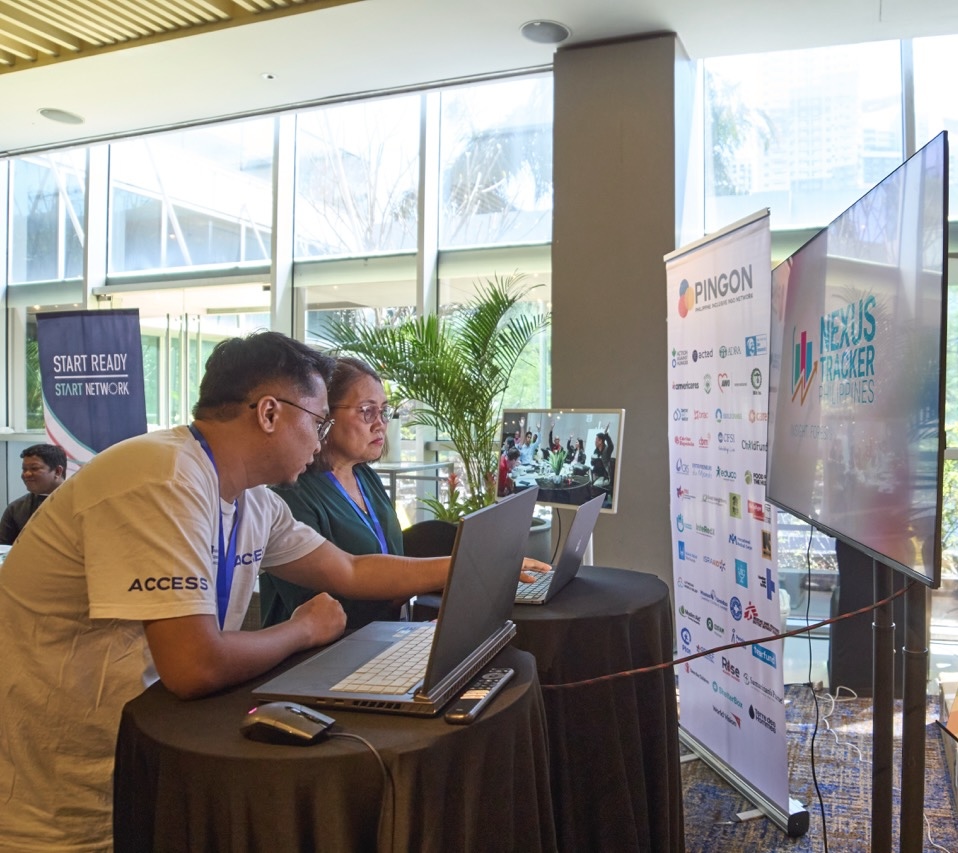
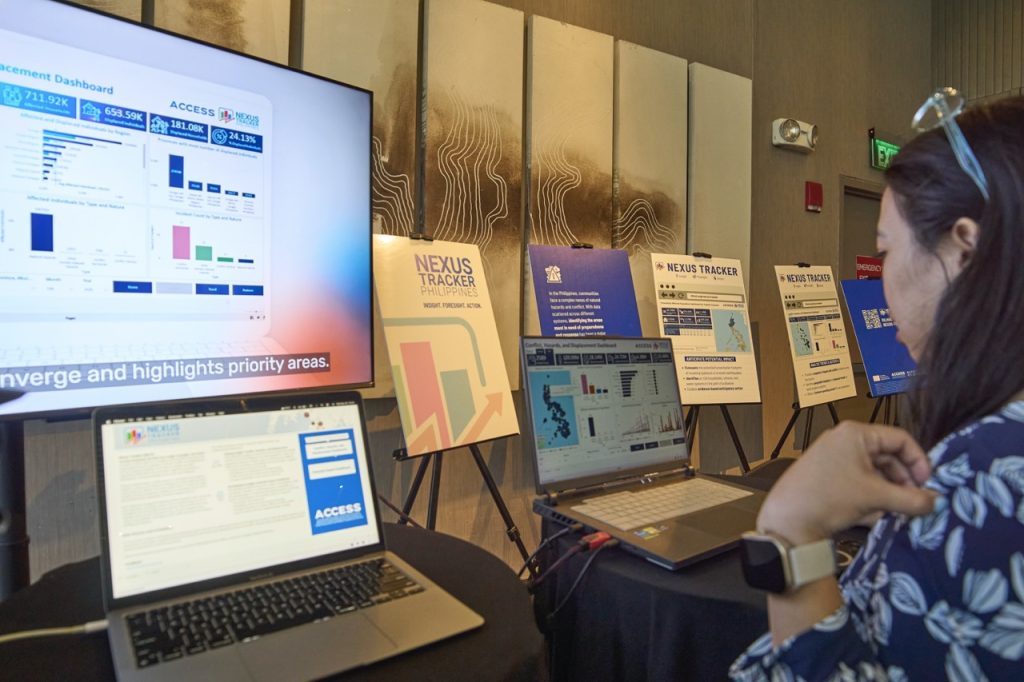
Learning and exchange at the Nexus Space exhibit hall
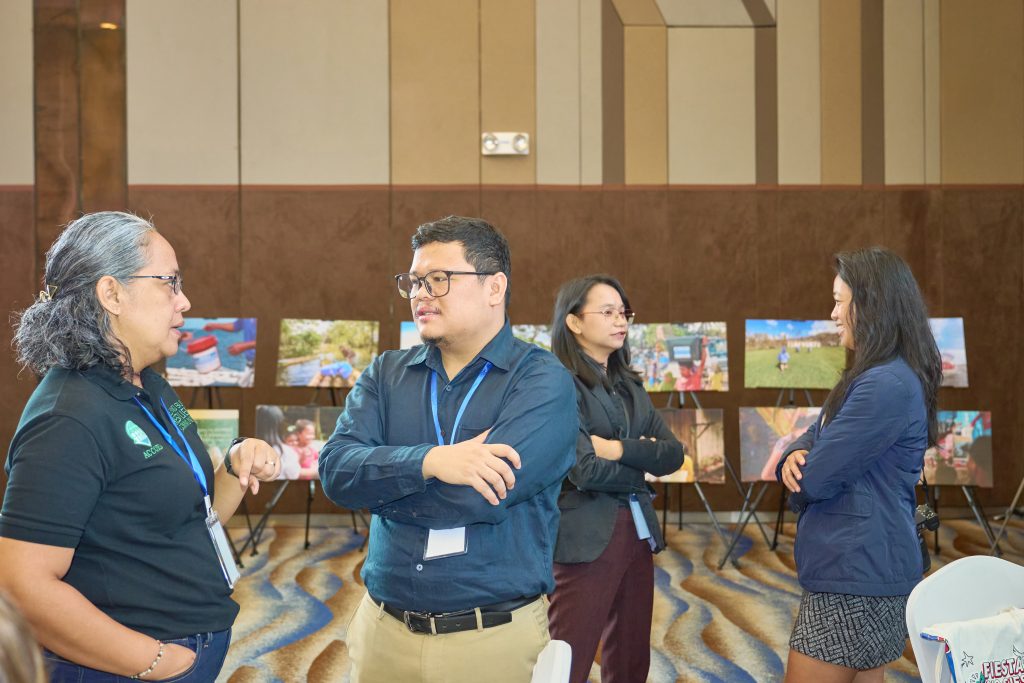
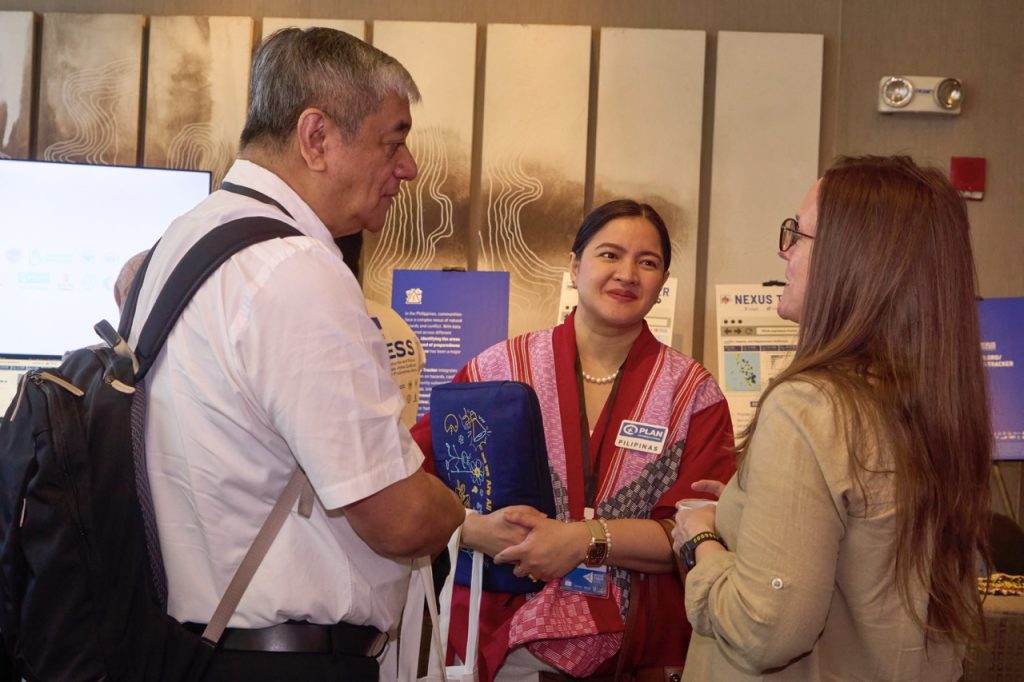
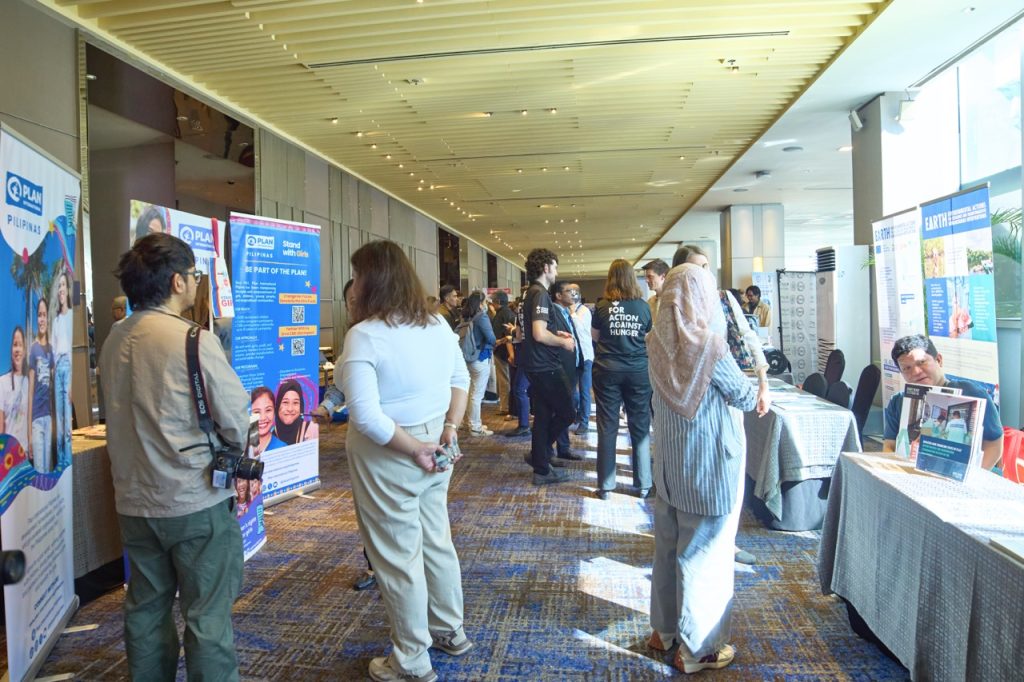
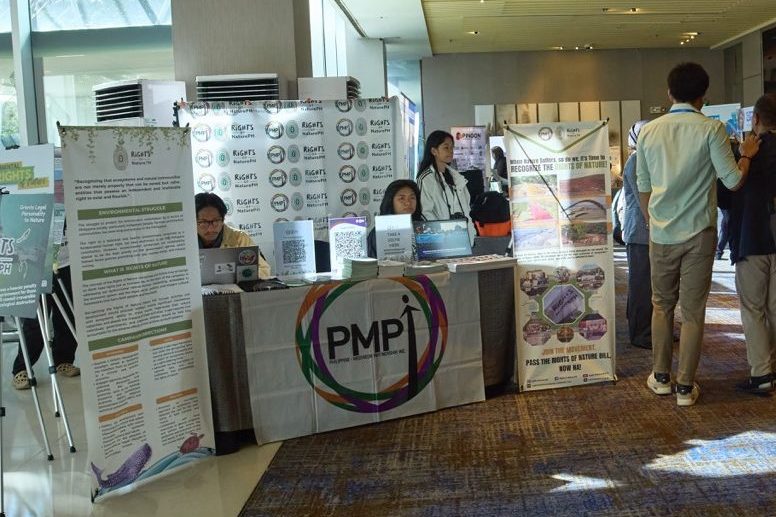
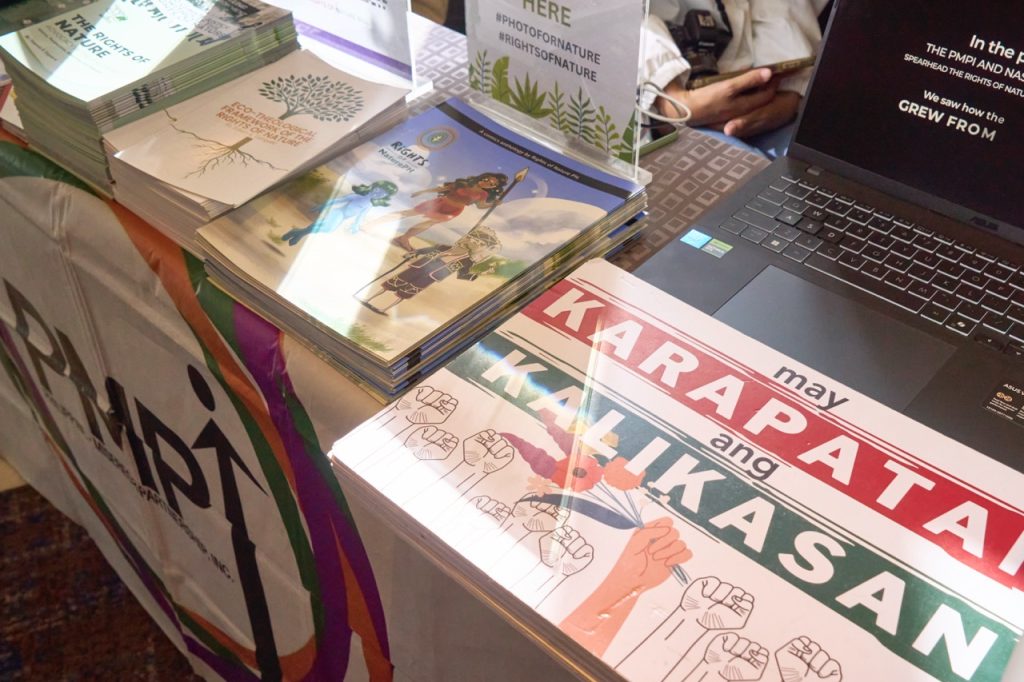
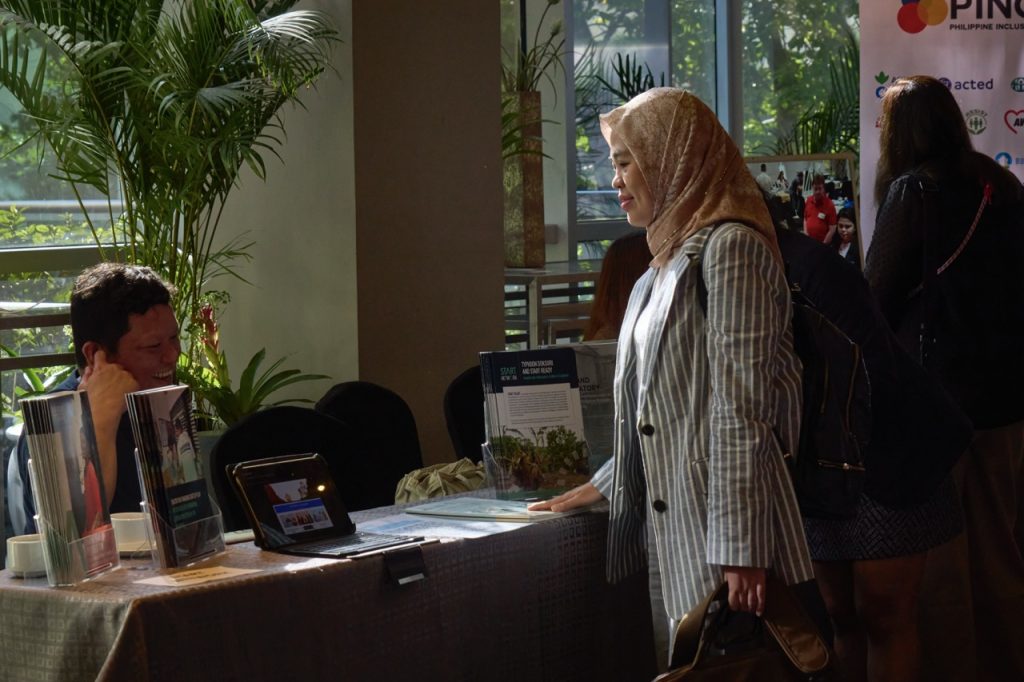
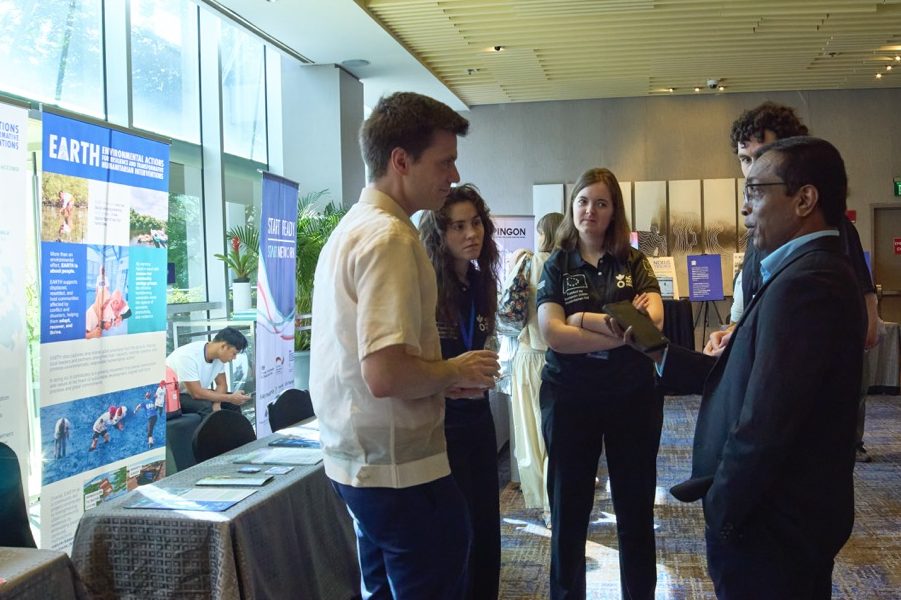
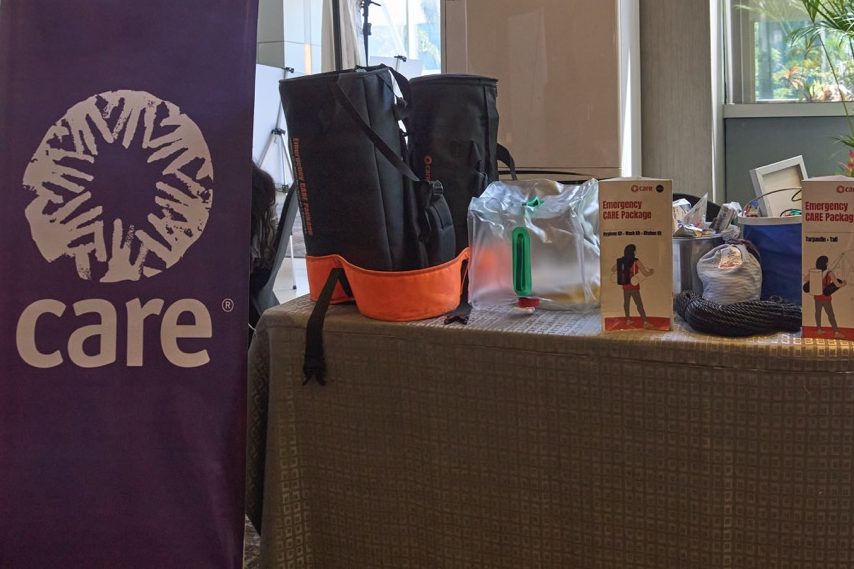
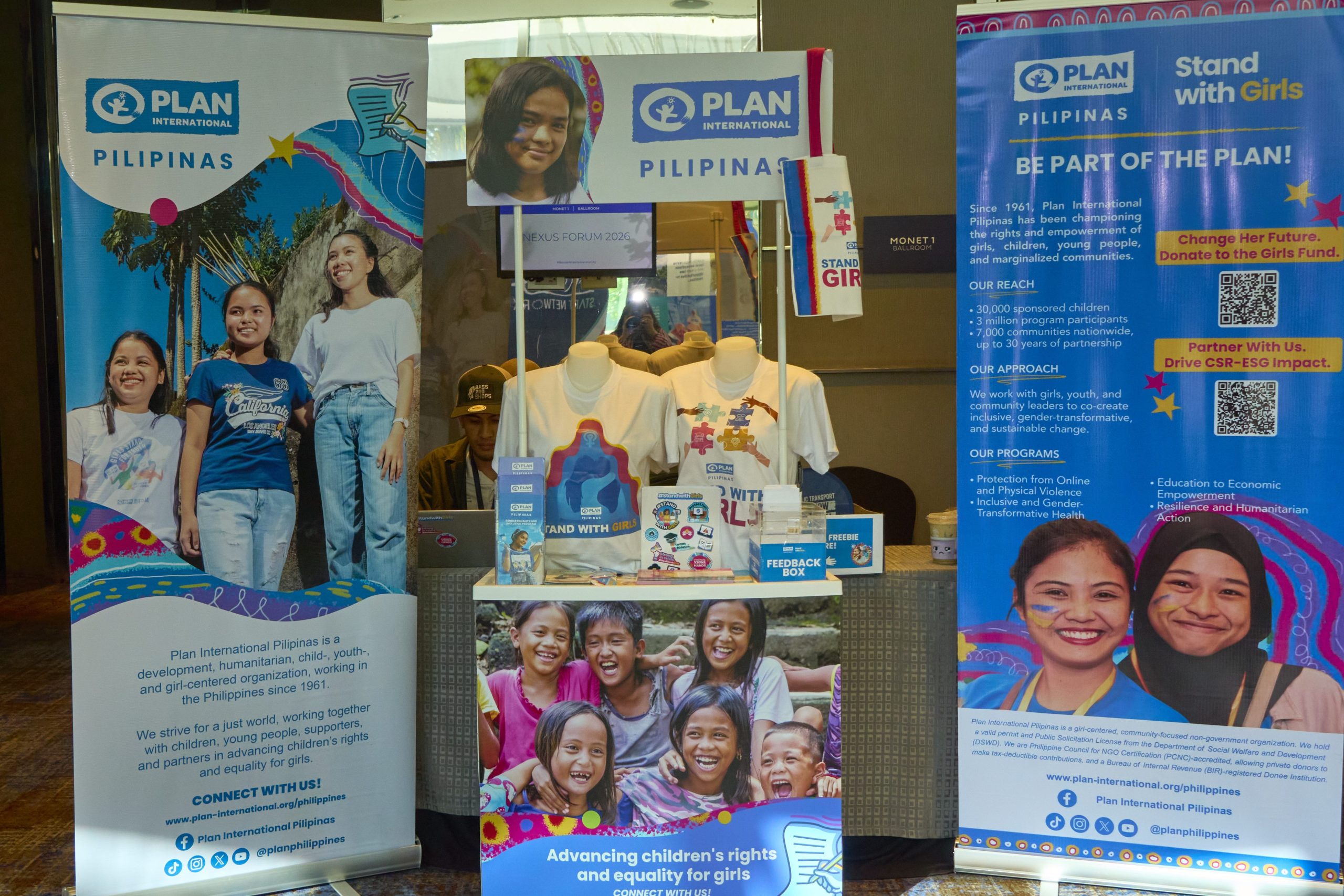
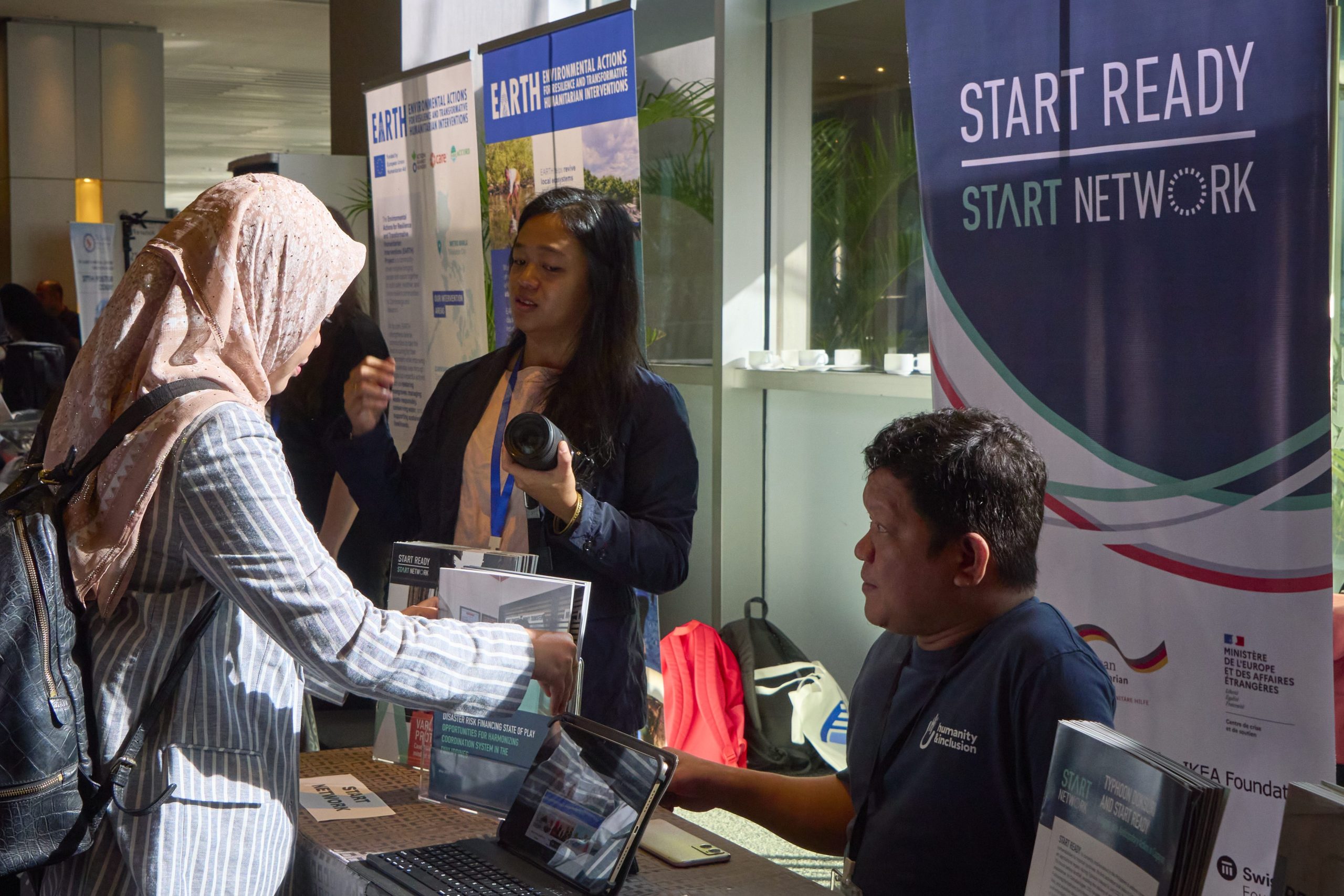
At the exhibit area, forum participants tested the Nexus Tracker at a hands-on booth, set up alongside exhibits from Action Against Hunger Philippines featuring the EU-funded EARTH Project and other initiatives, Philippine Misereor Partnership Inc. (PMPI) highlighting the “rights of nature” movement, CARE Philippines featuring the Emergency CARE Package, PINGON, Plan International Pilipinas, and Start Network/Humanity & Inclusion Philippines.

‘A checkpoint, not an endpoint’
Reflecting on what comes next, Mark Brayn Yaung, CARE Philippines Humanitarian, Disaster Resilience, and Peacebuilding Coordinator, emphasized that the work continues beyond the forum: “This is not an endpoint but a checkpoint for all of us. Communities cannot wait for perfect systems, and we can never be perfect. But we can always practice so we come in with progress.”
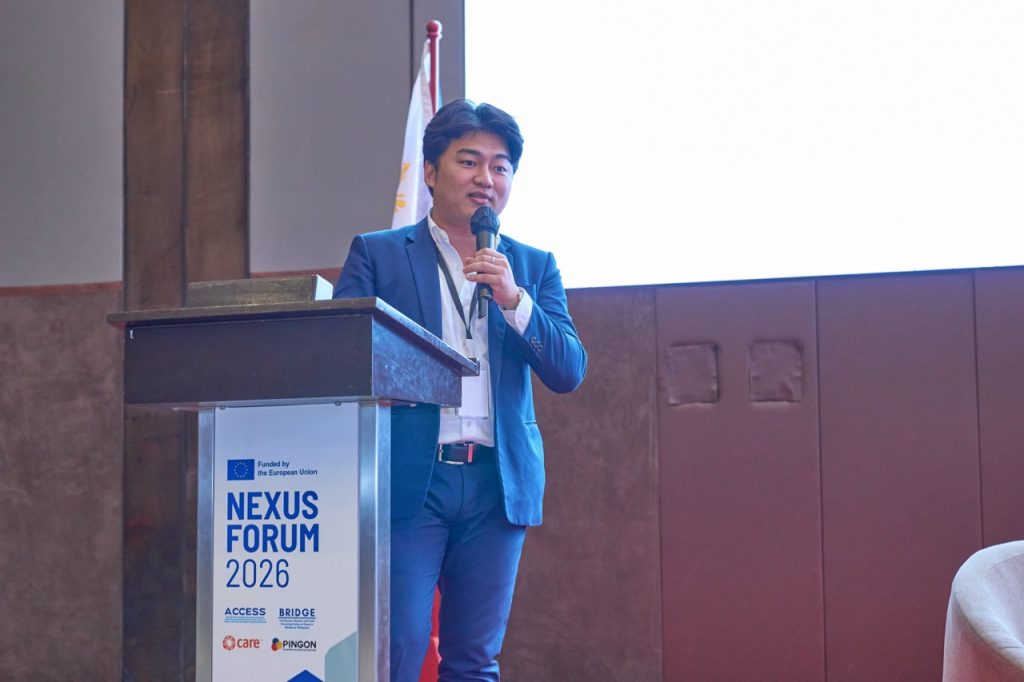
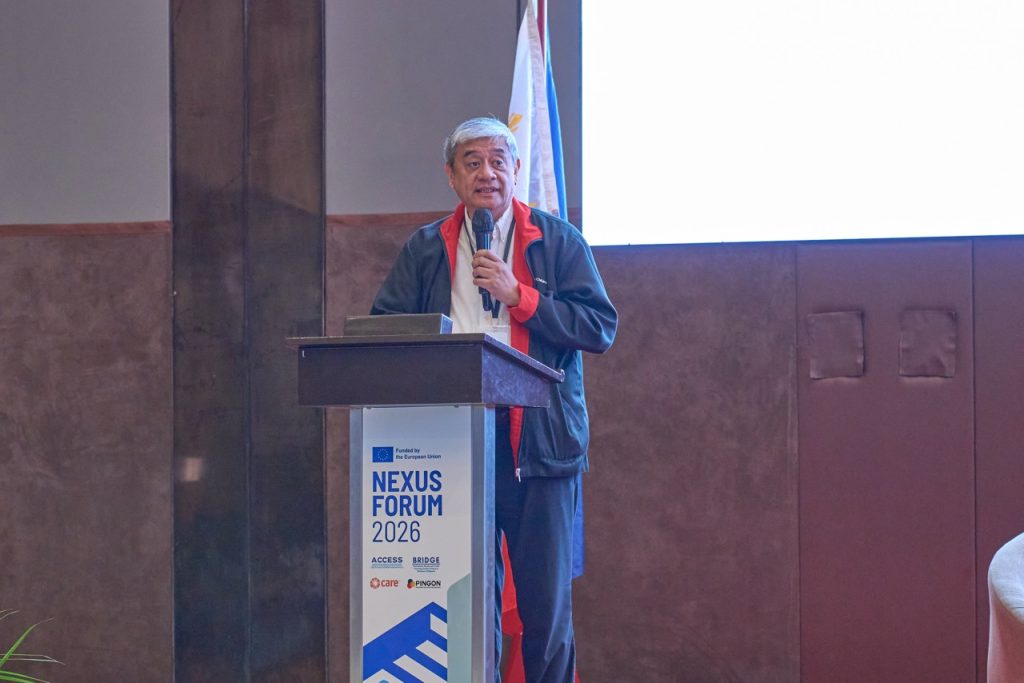
To close the event, Atty. Alberto Muyot, CEO of Save the Children Philippines, called on fellow humanitarians to move forward with purpose: “Let us continue to build a humanitarian system that acts earlier, learns continuously, and is firmly anchored in the needs and strengths of the communities we serve.”
To learn more about the Nexus Tracker, visit: https://rilhub.org/nexus-tracker/
About the Nexus Forum 2026 convenors
ACCESS
ACCESS is multi-year, multi-sectoral humanitarian and disaster preparedness initiative funded by European Union Humanitarian Aid and implemented by a consortium of 14 local and international organizations: ACCORD, Action Against Hunger Philippines, CARE Philippines, Community Organizers Multiversity (COM), Humanity & Inclusion Philippines, Integrated Mindanaons Association for Natives (IMAN), Kadtabanga Foundation for Peace and Development Advocates, Mindanao Organization for Social and Economic Progress (MOSEP), Oxfam Pilipinas, People’s Disaster Risk Reduction Network (PDRRN), Plan International Pilipinas, Save the Children Philippines, United Youth for Peace and Development (UNYPAD), and United Youth of the Philippines – Women (UnYPhil-Women).
BRIDGE
The BRIDGE Project is funded by the European Commission and implemented by ACCORD Incorporated, CARE Philippines, Community Organizers Multiversity, and Oxfam Pilipinas.
PINGON
PINGON serves as a venue to coordinate the provision and delivery of humanitarian aid by international, national, and local NGOs in times of major disasters and emergencies in the Philippines, ensuring that basic humanitarian principles are firmly upheld.